
Livraison le jour même ou le lendemain

Qualité garantie

Débloquez vos offres de bienvenue: Livraison GRATUITE | Jusqu'à -80 % | 30 jours d'essai gratuits à JoyPlus
Téléchargez l'application
Grease on a garment, wine on a tablecloth or sweat marks on a shirt cannot all be treated in the same way. Yet many products are marketed as multi-purpose solutions, which can lead to an unsuitable purchase or even cause the fabric to lose its colour.
Choosing a fabric stain remover depends on the type of stain, the colour of the fabric and the surface to be cleaned. Here are the main pitfalls to avoid, the criteria to check and a selection of products suited to different uses.
A product described as suitable for laundry may not be recommended for wool, silk, leather, carpets or textiles requiring dry cleaning. A laundry stain remover is therefore not automatically suitable for a sofa or carpet.
Before applying any product, check the garment’s care label and the product instructions. Also test it on a small, concealed area to make sure the colour does not run or change.
A small specialist bottle may be enough to treat a few rust or grease stains. For a family that regularly treats stains on clothes, however, a stain-removing powder or large spray will be more practical. Conversely, a large container may be excessive for occasional use.
Compare the volume, recommended dosage and application method rather than relying solely on the price displayed.
Leaving a product on for longer than recommended does not necessarily improve the result and may weaken certain fibres. Gels and sprays for pre-wash stain removal often come with a maximum treatment time. Do not allow the product to dry on the fabric and follow the instructions on the packaging.
Marketing claims such as ‘colours and whites’ do not remove the need to carry out a preliminary test on a concealed area.
Some products work from 20 °C or 30 °C, while others must be applied directly to the stain before washing. Check whether the product is used:
This distinction helps prevent, for example, using a powder intended for washing on a sofa or a fabric spray on an unsuitable surface.
Read the hazard pictograms, listed ingredients and precautions for use. Some stain removers may cause serious eye damage, skin irritation or an allergic reaction in sensitive individuals.
Wear gloves when recommended in the instructions, ventilate the room and keep products out of children’s reach. Never mix a stain remover with bleach or an acidic cleaner. Chlorine tablets intended for toilets and household surfaces must not be used on clothing unless explicitly indicated.
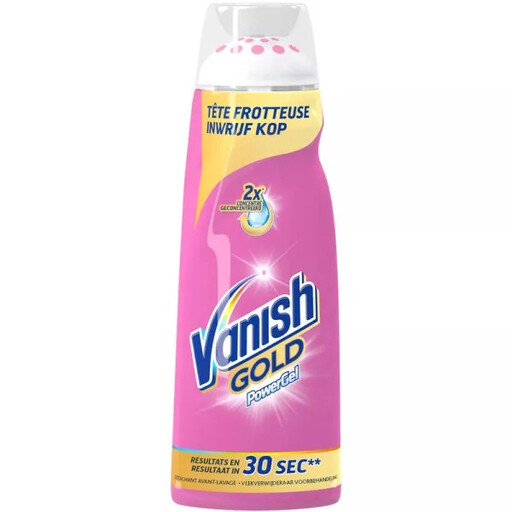
Why this choice suits this user profile : Its applicator nozzle lets you target a specific stain without needing multiple accessories. At 200 ml, this bottle is suitable for regular household use on washable textiles.
The treatment time is clearly limited to a maximum of 5 minutes, reducing the risk of leaving the gel to dry on the laundry.
Concentrated gel, targeted application, chlorine-free formula and stated suitability for both coloured and white fabrics. Avoid using it on wool, silk and leather.
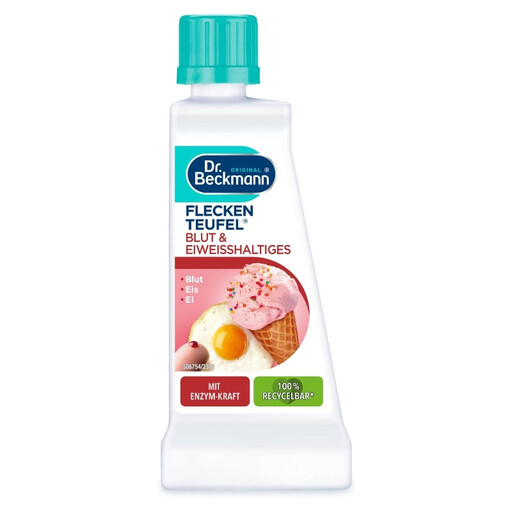
Why this choice suits this user profile : This compact bottle targets specific problems on shirts and washable clothing, particularly rust, deodorant marks and sweat.
It does not claim to replace a carpet or leather cleaner: these surfaces are explicitly excluded from the recommended uses.
Anti-oxidation complex, 50 ml format and stated compatibility with coloured fabrics and textiles, subject to a preliminary test.
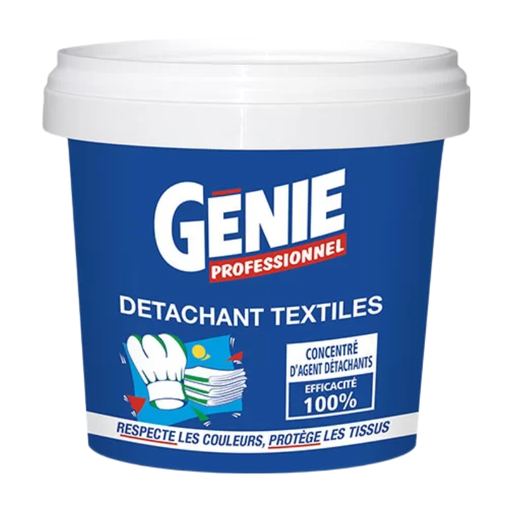
Why this choice suits this user profile : Its 1-kilogram size and suitability for both hand washing and machine washing make it ideal for busy households and cleaning professionals.
The formula combines several actions: active oxygen for certain oxidisable stains, enzymes for organic stains and surfactants for greasy substances.
Low-temperature activator, working from 30 °C according to the product information, phosphate-free formula and use restricted to textiles other than wool and silk.
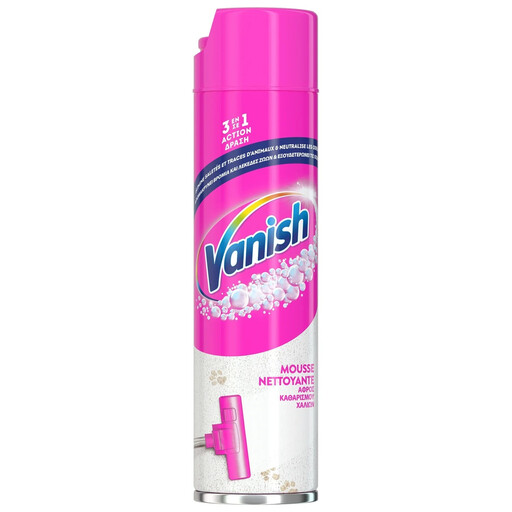
Why this choice suits this user profile : Its spray format is designed for spot cleaning carpets, rugs, sofas and other upholstery fabrics. The application is followed by blotting the treated area.
It is formulated for upholstery surfaces, unlike a fabric stain remover intended for laundry. The instructions also recommend ventilating the room thoroughly and keeping the product away from flames.
600 ml bottle, spray application and intended use for regular care or spot treatment of carpets, rugs and upholstery fabrics.
A formula specifically designed for grease and oil is generally more effective than a universal product. DR BECKMANN Stain Remover for Grease and Oil Stains, sold in a 50 ml bottle, is designed for stains caused by butter, oil, sauce, ketchup or chocolate. Always carry out a preliminary test and follow the instructions on the garment’s care label.
Some powders are designed for use from 20 °C or 30 °C. The minimum temperature depends on the formula and dosage instructions. Use the recommended quantity: overdosing does not automatically produce better results and may increase residue on the laundry.
Use a carpet and rug stain remover or a cleaner for upholstery and sofas whose instructions clearly mention these surfaces. For a larger area or ingrained stains, an injection-extraction cleaner such as the BISSELL SpotClean C9 Select can complement spot cleaning. Test colourfastness in a concealed area and allow the surface to dry as instructed.