
Livraison le jour même ou le lendemain

Qualité garantie

Débloquez vos offres de bienvenue: Livraison GRATUITE | Jusqu'à -80 % | 30 jours d'essai gratuits à JoyPlus
Téléchargez l'application
A grease stain on a shirt, coffee on a tablecloth or perspiration marks on a T-shirt cannot always be treated in the same way. Yet many products are marketed as versatile without clearly stating their limitations on wool, silk, rugs, carpets or dark colours.
To choose a suitable fabric stain remover, you need to compare three factors: the type of stain, the material being treated and the application method. Here are the key criteria to consider, along with a selection of products available on Joybuy.
A laundry stain remover may be suitable for clothing, but not necessarily for rugs, leather or textiles with a special finish. Formulas containing oxygen-based agents, enzymes or solvents require particular care when used on delicate materials.
Always check the following before use:
An effective stain remover from 20°C can be convenient for short cycles or laundry washed at low temperatures. However, the result depends on several factors: how old the stain is, its nature and the dosage used. An old grease stain, for example, may require local treatment before the garment is washed in the machine.
A low-temperature effectiveness claim should therefore be viewed as the manufacturer’s usage indication, not as a guarantee of identical results on every textile.
A stain-removing powder sold in a multi-kilogram format is generally intended for regular use. For a few garments or a specific stain, a stain-removing gel or a 50–200 ml bottle can reduce storage requirements and waste.
The actual cost depends on the number of doses, the quantity required per wash and whether the stain can be treated locally.
Look for a formula designed for the specific problem:
Wool and silk require specific checks. Some Vanish gels are described by the manufacturer as suitable for these textiles, while several powders and pre-treatment gels explicitly exclude wool and silk.
For a rug, carpet or armchair, use only a rug and carpet stain remover whose label specifies this application. A preliminary test on a hidden area is still recommended, particularly when there is a risk of colour transfer.
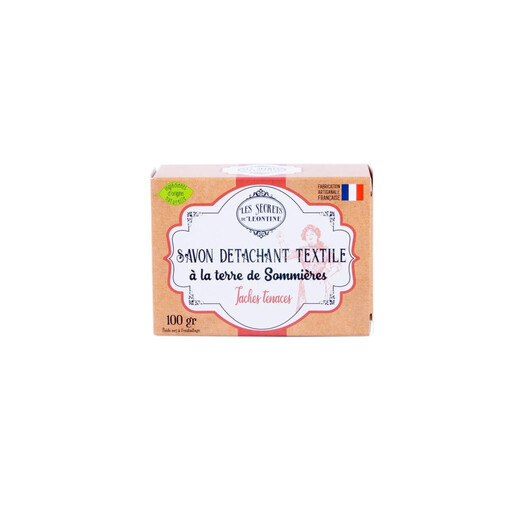
Why it suits this profile: its solid format is ideal for households that occasionally treat collars, cuffs, curtains or small textiles without having to store a large container.
The product information specifies direct application followed by gentle rubbing, rather than approximate dosing throughout the washing machine.
100 g, claimed natural origin, dye-free according to the product information, with Sommières earth and grapeseed oil.
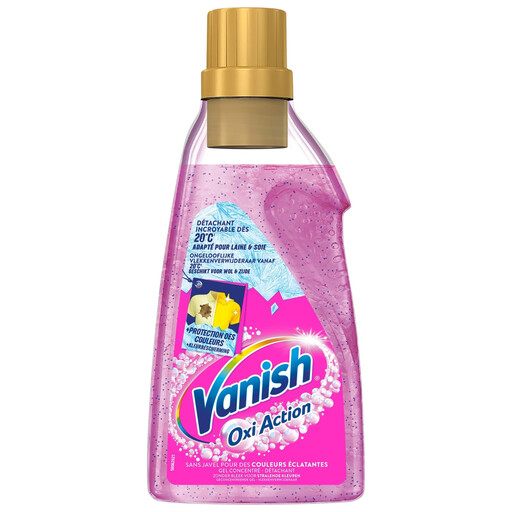
Why it suits this profile: its positioning for wool and silk, as stated in the manufacturer’s description, makes it suitable for households that alternate between everyday laundry and delicate items.
The stated compatibility helps prevent the automatic choice of a powder that excludes these materials. However, the garment label always takes priority.
1.5 l gel, measuring cap with scrubbing head and claimed effectiveness from 20°C, according to the product information.
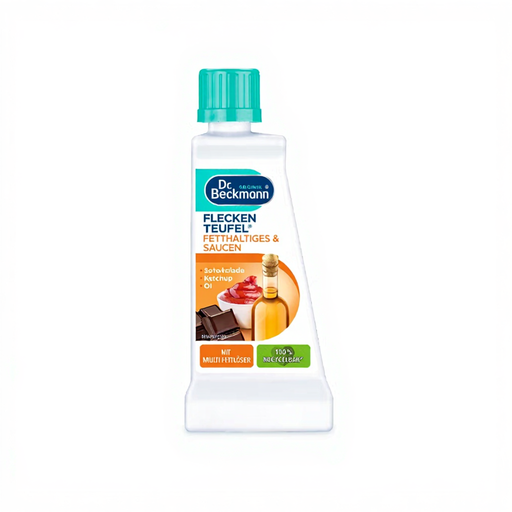
Why it suits this profile: this compact bottle is designed for families looking for a stain remover for clothing marked by sauce, oil, butter or chocolate.
Its formula targets greasy stains rather than relying on a broad all-purpose claim. However, it is not suitable for rugs or leather.
50 ml format, direct application and a dwell time of a few minutes, according to the supplied instructions.
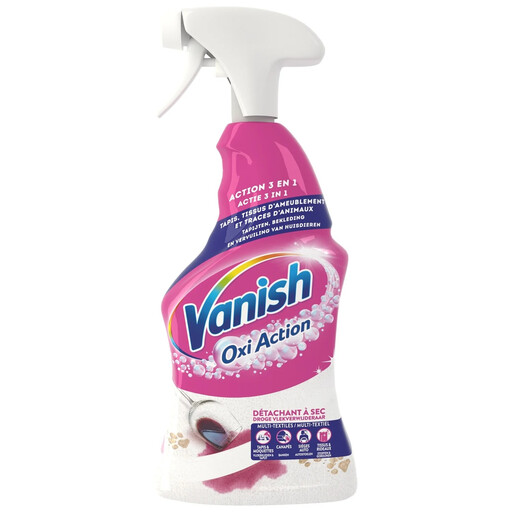
Why it suits this profile: ready to use, this spray is designed for rugs, carpets and upholstery fabrics. It enables local application without washing the entire item.
It is specifically presented for textile surfaces and excludes wool, silk and leather, clearly defining its intended scope of use.
500 ml spray, direct application, short action time followed by dabbing with a dry cloth, according to the product information.
We have brought together an updated selection of products matching these criteria and the safety instructions applicable in France.
Products containing oxygen-based agents, enzymes or fragrances may require specific precautions. Read the hazard statements and first-aid instructions provided on the packaging.
Start by identifying the type of stain. A targeted pre-wash stain remover may be suitable for grease, perspiration or food residue. For delicate materials, choose a formula explicitly described as compatible and reduce the dwell time if the instructions recommend doing so.
Some powders are indicated for both colours and whites, but this does not eliminate the need for a preliminary test. Follow the temperature, dosage and exclusions stated in the instructions, particularly for wool, silk, leather and textiles requiring dry cleaning.
The shelf life depends on the formula and the manufacturer’s instructions. Keep the product closed, dry, at a moderate temperature and away from light. When a date or batch number appears on the packaging, use this information to track its recommended period of use.