
Livraison le jour même ou le lendemain

Qualité garantie

Débloquez vos offres de bienvenue: Livraison GRATUITE | Jusqu'à -80 % | 30 jours d'essai gratuits à JoyPlus
Téléchargez l'application
The smell of tobacco on a sofa, a towel that's lost its freshness, or curtains that are tricky to wash – a fabric deodoriser can be a useful addition to your regular cleaning routine. However, not all products are created equal. A fabric fragrance may simply mask an odour temporarily, whereas a fabric disinfectant serves a different purpose and must be used according to the instructions on its label.
Before buying a fabric deodorising spray, it's worth knowing the main pitfalls to avoid.
A fabric fragrance leaves a pleasant scent, but that doesn't necessarily mean it's tackling the source of the bad smell. For a sofa, rug or pair of shoes, look for a clear mention of odour neutralisation or action against ingrained smells.
Products marketed as laundry fresheners are mainly useful between washes. They don't replace a proper clean when the fabric is stained, damp or heavily impregnated.
A fabric disinfectant is a biocidal product. Its label must specify its intended use, the organisms it targets, any precautions to take and, where applicable, the standards it claims to meet. A simple fabric deodorising spray doesn't necessarily have this function.
Read the instructions carefully before assuming a product is suitable for sanitising a sofa, rug or household linen. Any claims of effectiveness should always be considered in the context of the conditions of use stated by the manufacturer.
A product suitable for curtains or synthetic fibres may not be recommended for leather, silk, velvet or certain dyed fabrics. Spraying too generously can also increase drying time and leave a damp feeling.
Testing on an inconspicuous area is a simple precaution, especially with delicate or coloured fabrics.
Start by distinguishing between four uses:
For a sofa or curtains, a fast-drying spray is usually the most practical option. For clothes, towels and bed sheets, scented beads or fabric softener can be added directly to the wash cycle.
Don't just compare the volume – also look at how much you need per use. A 385ml, 500ml or 600ml bottle doesn't automatically give you the same number of applications. Larger formats can suit households that regularly treat rugs, carpets and upholstery, while a more compact bottle is easy to store in a bathroom or utility room.
For scented beads, check the net weight and the number of washes stated. The amount you pour into the drum directly determines how often you'll need to replace the product.
Before using any product, check the following in particular:
With a biocidal product, always read the label and the information provided by the manufacturer. Any standards mentioned, such as EN 14476, EN 13697 or EN 16615, correspond to different test areas – they should not be interpreted beyond the uses and conditions stated.
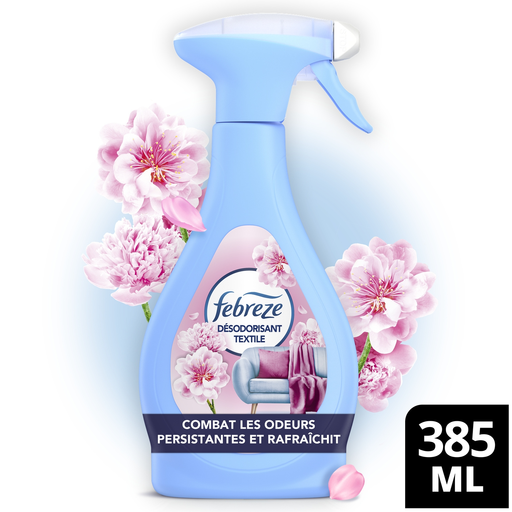
Why this suits this profile: Its 385ml format lets you get started simply, freshening clothes, towels, cushions and curtains between washes.
The product page distinguishes between fabric freshening and use on surfaces, and recommends testing on a hidden area first.
Compact format, floral fragrance and suitability for hard-to-wash fabrics such as rugs and curtains.
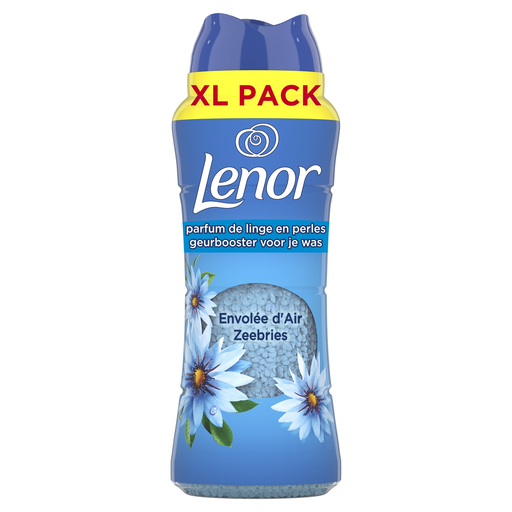
Why this suits this profile: Those looking for a stronger scent on their laundry can adjust the amount of beads with each wash.
The instructions specify pouring the beads into the empty drum, not the fabric softener drawer, which limits user error.
495g bottle, adjustable dosage and suitability for all washable fabric types.
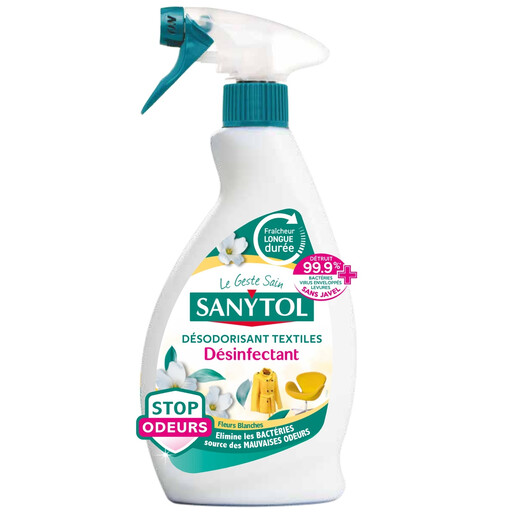
Why this suits this profile: Its design targets non-washable or hard-to-clean fabrics such as mattresses, armchairs, curtains and rugs.
The product page clearly states it is for fabric use, recommends spraying at 20–30cm and allowing to dry completely. It specifically excludes leather, silk and velvet.
Stop Odours technology is claimed to tackle musty smells, tobacco and cooking odours, with a eucalyptus fragrance.
We've put together a comprehensive, real-time updated list of products that meet these strict selection criteria and European safety regulations.
Yes, provided the product page states these uses. Spray at the recommended distance, test on a hidden area, then allow to dry completely. Leather, silk and velvet require particular caution, or may be excluded depending on the instructions on the label.
A fabric deodoriser is mainly used to freshen fibres and neutralise odours. A fabric disinfectant is formulated and labelled for a specific biocidal action. These two categories are therefore not interchangeable – always check the label, precautions and authorised uses.
The duration depends on the product, the amount applied, ventilation, the type of fibre and the source of the odour. The durations stated by brands correspond to their own test conditions. An odour linked to dampness, smoke or persistent soiling may return if its source isn't treated.