
Livraison le jour même ou le lendemain

Qualité garantie

Débloquez vos offres de bienvenue: Livraison GRATUITE | Jusqu'à -80 % | 30 jours d'essai gratuits à JoyPlus
Téléchargez l'application
Taking your makeup off every evening sounds simple enough. Yet choosing the right product can quickly become a headache. Waterproof mascara that leaves traces, long-lasting lipstick that dries out your lips, stinging or tight-feeling skin – these are all signs that your eye and lip makeup remover might not be right for you.
Some marketing claims are also worth taking with a pinch of salt:
For light makeup, a micellar cleansing water can work for the face, lips and sometimes the eyes, provided the manufacturer states it’s suitable for that use. Handy for everyday, it can also be sold as a no-rinse makeup remover.
When you’re dealing with waterproof mascara, long-lasting eyeliner or a lipstick that won’t budge, it’s better to go for a waterproof eye makeup remover, a bi-phase makeup remover, a cleansing oil or a balm. The oil phase helps break down stubborn pigments and stops you having to go over the same area with cotton wool again and again.
Cleansing milk is more suited to the face and to dry or uncomfortable skin. Its creamy texture often leaves skin feeling softer, but it doesn’t necessarily replace a product specially designed to remove waterproof eye makeup.
Take the time to look at the INCI list and the usage precautions. For sensitive eyes, a formula without alcohol, without fragrance or one that has been tested under ophthalmological control can be a useful criterion. That said, it’s not a guarantee of tolerance for everyone.
Contact lens wearers should remove their lenses before use, unless the packaging clearly states otherwise. In any case, apply the product to closed eyelids, avoid direct contact with the eye and rinse thoroughly if discomfort persists.
A 125 to 150 ml bottle is usually fine for moderate daily use. If you wear makeup often or also use it to remove face makeup, a 200 to 300 ml size will often be more practical.
With a bi-phase formula, always shake the bottle to mix the two phases. Soak a cotton pad, hold it on your closed eyelid for a few seconds, then gently sweep it from top to bottom. For your lips, use a fresh cotton pad to limit the transfer of pigments and impurities.
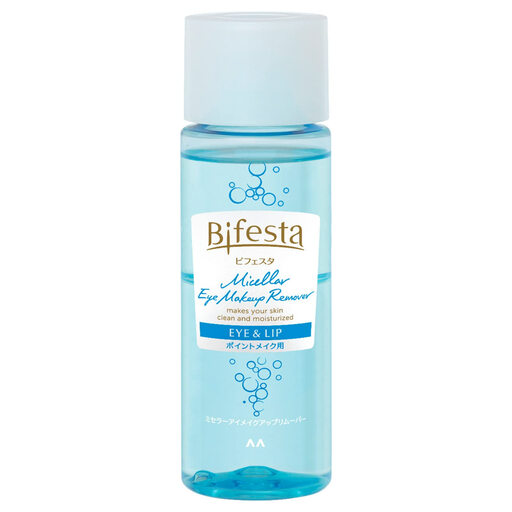
Why this choice suits this profile: At 145 ml, this dedicated eye and lip makeup remover is a great first option, especially for everyday makeup and some waterproof formulas.
Its formula is designed to lift waterproof mascara and long-lasting makeup. With enough time left on the skin, it reduces the need for repeated rubbing.
It can be used on the eyes and around the mouth, with a simple cotton pad application.
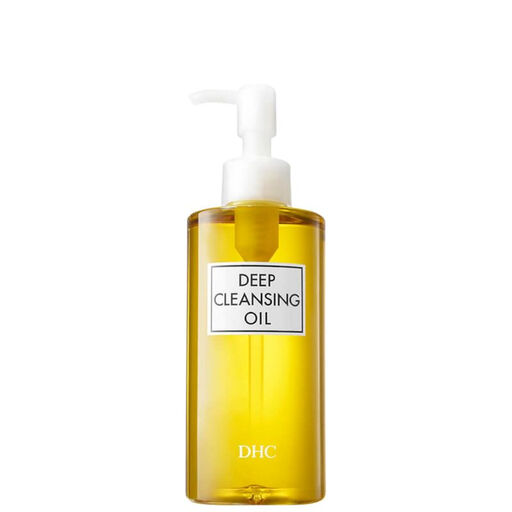
Why this choice suits this profile: This 200 ml cleansing oil fits easily into a complete face routine. Apply it to dry skin before emulsifying with a little water.
Applying it to dry skin, followed by emulsification, makes removing face makeup easier without using cotton pad after cotton pad.
A 200 ml size, olive oil in the formula and a water rinse after emulsification.
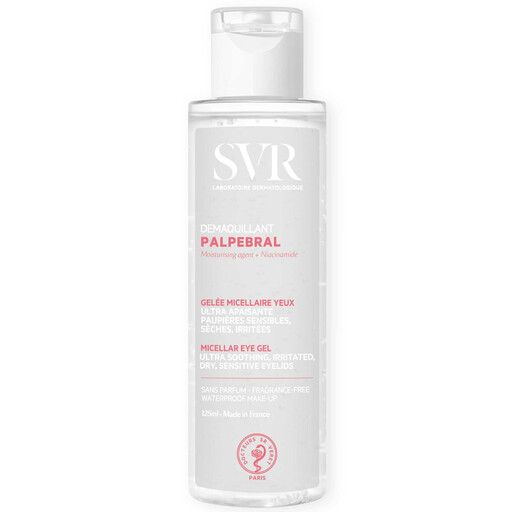
Why this choice suits this profile: Its gel texture and 125 ml size target the eye area for makeup removal, especially for those looking for a formula without alcohol or fragrance.
The formula, said to be free from alcohol, fragrance, parabens, sulphates and silicones, meets the expectations of those who prefer a short ingredients list for this delicate area.
A micellar gel texture, niacinamide in the INCI list and possible use with contact lenses according to the product sheet.
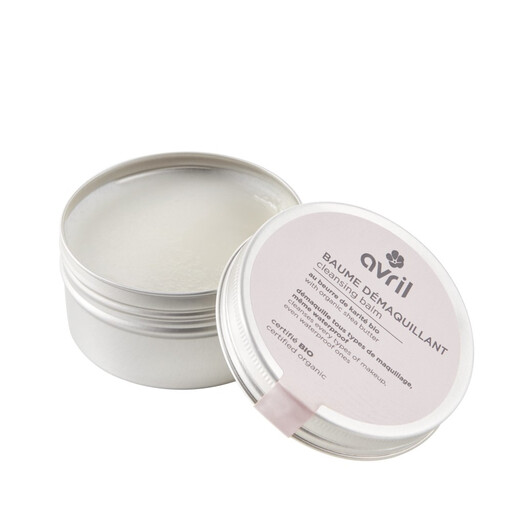
Why this choice suits this profile: This balm warms up between your fingers, turns into an oil and is applied to the face before rinsing. An interesting option for cutting down on cotton pad use.
Once turned into an oil, the balm helps dissolve makeup. Emulsifying with water then makes rinsing easier. However, avoid direct contact with the eyes.
The product sheet states 100% naturally derived ingredients, 54% of which come from organic farming, plus Cosmos Organic certification.
We’ve put together a full selection, updated in real time, of products that meet these exacting criteria and comply with European safety regulations.
If you experience redness, swelling, itching or persistent discomfort, stop using the product and seek advice from a healthcare professional. For reactive skin, a patch test on a small area can be sensible, but it doesn’t replace checking the ingredients list.
A bi-phase makeup remover, an oil or a balm are generally the formats to go for. For the eyes and lips, check that use on these areas is explicitly stated. Leaving the product on long enough often helps you avoid rubbing.
Yes, if this use is specified on the product sheet. A micellar water can work for everyday makeup, but waterproof formulas often need a specially designed eye makeup remover. Even when a product is sold as no-rinse, rinse it off if you feel any stinging.
Refer to the symbol showing the period after opening and the instructions printed on the packaging. Close the bottle carefully, store it away from heat and light, and throw it away if its smell, colour or texture changes noticeably.