
Livraison le jour même ou le lendemain

Qualité garantie

Débloquez vos offres de bienvenue: Livraison GRATUITE | Jusqu'à -80 % | 30 jours d'essai gratuits à JoyPlus
Téléchargez l'application
Eye concealers don’t all tackle the same problem. A brownish shadow caused by pigmentation, a bluish discolouration, under-eye bags or fine lines around the eyes all call for different solutions. Yet packaging often lists the same promises: radiance, a rested look, a lifting effect or long-lasting coverage.
To help you avoid unpleasant surprises, the Joybuy Product Recommendation Officer suggests a simple method: distinguish between treatment and make-up, examine the ingredients, and choose the texture and shade according to your needs.
An eye cream or eye serum can help hydrate the eye contour and improve its appearance, but it won’t replace a coloured concealer when dark circles are very pronounced. Conversely, make-up quickly camouflages colour without offering the full hydration of a treatment.
Dark circles can have several causes:
A claim like “reduces dark circles in a few weeks” needs to be put into context: number of participants, study duration, evaluation method and the source of the claim. NIVEA, for example, states that its patented ingredient Thiamidol was evaluated in a clinical study involving 40 women over four weeks. This information comes from the brand’s communications and does not guarantee the same result for everyone.
Observed effects vary depending on the nature of the dark circles, regularity of use and skin sensitivity.
A concealer that’s too light can accentuate texture or give a greyish appearance under the eyes. For bluish or purplish dark circles, a slightly peach or rosy shade can help visually neutralise the colour. For brown dark circles, a shade close to your skin tone will generally give a more natural result.
Coverage should also be kept in check: a thick formula applied in too large a quantity risks settling into fine lines around the eyes.
An eye contour treatment focuses primarily on hydrating and comforting this delicate area. It may contain:
A concealer, on the other hand, contains pigments and is chosen based on its shade, coverage and finish. Hybrid products, such as some tinted serums, combine both functions. However, it’s best to start with a small amount and add more gradually if needed.
The eye contour is a particularly sensitive area. Before ordering, check the INCI list and identify any ingredients you usually react to. Fragrance-free formulas may suit those who want to limit potential sources of discomfort. Other products contain fragrance, denatured alcohol or pigments that aren’t suitable for all skin types.
Test on a small area before first use. If redness, persistent tingling or irritation occurs, stop using immediately. All products shown are for external use only and should not be applied directly into the eye.
A metal or ball-tip applicator can make application easier while providing a cooling sensation. A precise applicator is handy for the inner corner of the eye, while a palette allows you to mix several shades.
Also remember to check:
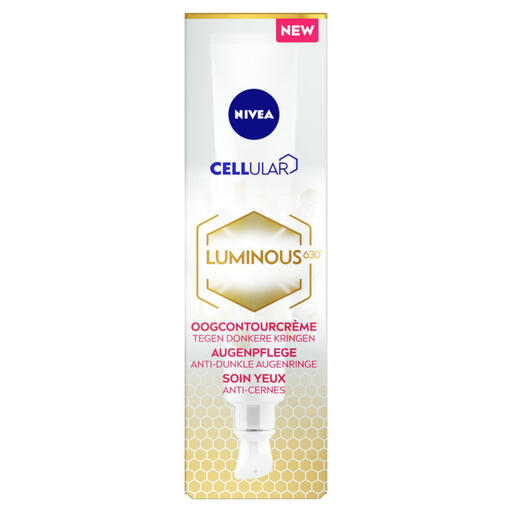
Why this product fits: This daily treatment combines Thiamidol, caffeine and hyaluronic acid, according to the brand’s description. It will suit those who want to start with an untinted treatment, to be applied morning or evening.
The ingredients and 15 ml size are clearly stated. This is not a tinted concealer, so don’t expect immediate coverage.
The listed ingredients include caffeine, sodium hyaluronate and Thiamidol. Its compact size fits easily into a regular routine.
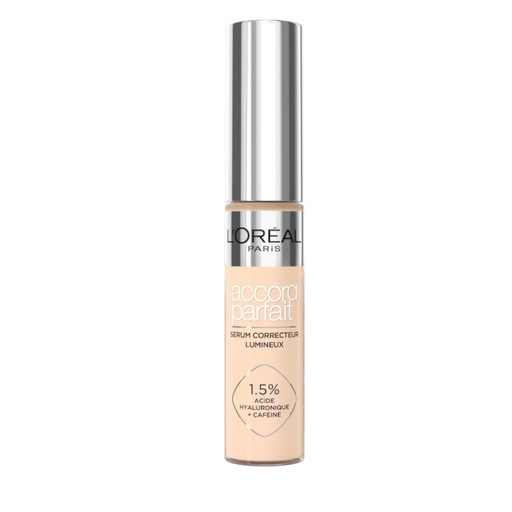
Why this product fits: This concealer-serum combines a very light rosy shade with a formula containing 1.5% hyaluronic acid, as stated by the brand, along with caffeine. It can work for light make-up, with buildable coverage.
Shade 2R should be compared to your skin tone before buying. The iron-shaped applicator lets you deposit a small amount without overloading fine lines.
The brand states 18 shades, plus a fragrance-free, non-comedogenic formula according to the product sheet. However, the presence of denatured alcohol is worth noting.
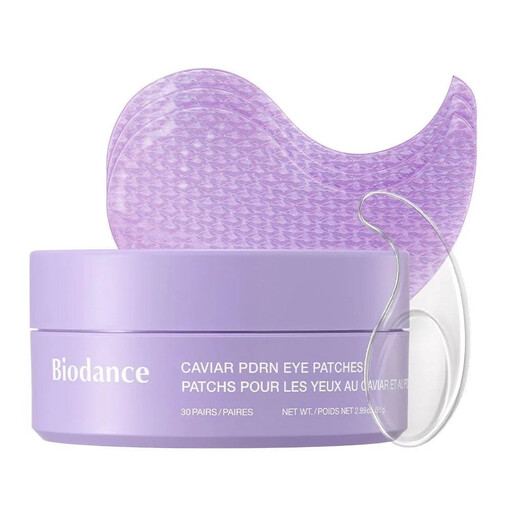
Why this product fits: These eye patches come in 30 pairs, with a recommended wear time of 15 to 20 minutes. Their hydrogel format can fit into an occasional routine before a night out or after a tiring day.
The number of pairs and wear time are clearly stated. These patches don’t replace a daily treatment; their visual effect relies mainly on hydration and comfort during application.
The ingredients list mentions 30 pairs, caffeine and niacinamide. According to the product sheet, the gel can also be applied to certain areas of the face or neck.
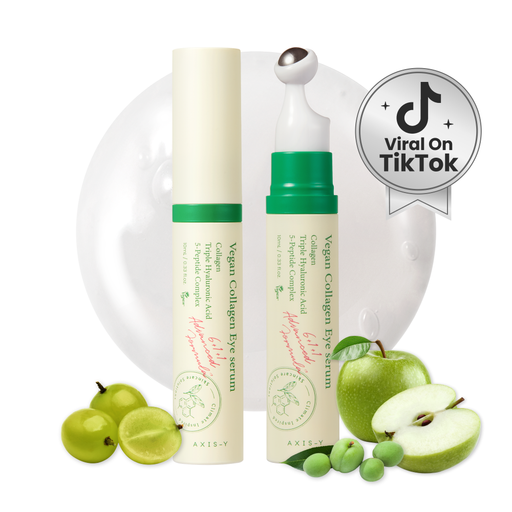
Why this product fits: This vegan serum from Korea features a cooling applicator tip and contains niacinamide, hyaluronic acid, peptides and ceramide NP. It’s aimed at those looking for a lightweight, pigment-free texture.
The product sheet recommends a patch test beforehand, a sensible precaution for sensitive skin. Like any untinted serum, it won’t instantly camouflage the colour of dark circles.
The formula is stated to be vegan and includes a CoolTouch applicator as well as several forms of hyaluronic acid in the provided INCI list.
We’ve put together an updated selection of products suited to different eye contour care, correction and make-up needs.
Yes, if your eye contour is dry or uncomfortable. Choose a lightweight texture and wait for it to be absorbed to prevent the concealer from slipping. A tinted serum can sometimes combine both steps, but check its hydration level.
The shelf life depends on the symbol indicating the period after opening and the instructions on the packaging. Close the product carefully, don’t share the applicator, and stop using it if the smell, texture or colour changes.
No. They are intended for occasional use, mainly focused on hydration and a cooling sensation. For a regular routine, you can combine them with an eye contour treatment, then use a concealer when the colour of dark circles needs to be camouflaged immediately.