Frequent cooks with a dedicated duct
If you cook often, check that the duct leads outside and is suitable for the cooker hood you’re considering. You can then choose a model based on its width, extraction rate and noise levels.


If you cook regularly, consider an extractor hood if you can use a dedicated duct to the outside and are permitted to install one. If there’s no suitable outlet, look at recirculating models and check which filters and accessories your chosen model requires. In either case, compare the width, extraction rate and noise levels at the speeds you’ll actually use. A cooker hood is no substitute for airing your home or its ventilation system.
If you cook often, check that the duct leads outside and is suitable for the cooker hood you’re considering. You can then choose a model based on its width, extraction rate and noise levels.
If your kitchen doesn’t have a suitable duct, or altering the building isn’t an option, consider recirculating cooker hoods. Check which kit and filters are compatible with the exact model reference.
If your kitchen opens onto the living room, noise during everyday use matters just as much as extraction performance. Compare the published noise levels at each speed for the models you’re considering.
First, work out which installation method is possible in your home. Then compare models that support it, rather than relying on the intensive speed alone.
| Criterion | What to check | Who is it for? |
|---|---|---|
| Installation method | Check whether there’s a dedicated duct and whether you need permission. For recirculation, check that the kit is compatible. | Without a usable duct, I want a cooker hood I can install without needing an impossible-to-fit extractor duct. Around 31% of consumers prioritise compatibility with their home. |
| Frequent cooking | Compare the extraction rate in m³/h in the intended mode and at everyday speeds, as well as the hood’s width against your hob. | When I cook often, I want to choose based on features that match how I usually cook, not just a speed I might use occasionally. This is a top priority for around 31% of consumers. |
| Noise in an open-plan kitchen | Check the noise levels in dB at each speed for the exact model and installation method you’re considering. | In a room that opens onto the living area, I want to cook without disturbing other activities. Noise is the top priority for around 23% of consumers. |
| Filter maintenance | Check the filter references, whether they’re included, and the cleaning or replacement instructions. | If I use recirculation, I want to know which filters need maintaining and how often the instructions say to do it. Around 15% of consumers prioritise this aspect of use. |
For the homes concerned, Article 14 of the Order of 24 March 1982, published on Légifrance, prohibits connecting an individual mechanical device, such as a cooker hood with a fan, to a shared air outlet system.
Have the duct identified before choosing an extractor hood. If the outlet is shared, consider recirculation or whether a permitted dedicated duct can be installed.
A cooker hood that can operate in recirculation mode may require a kit and charcoal filters specific to its model reference. Bosch says this mode uses both a grease filter and a charcoal filter.
Check the instructions for compatible filter references, see what’s included with the hood, and read the maintenance guidance before choosing.
The intensive setting alone doesn’t tell you the extraction rate or noise level during everyday cooking. Electrolux model specifications, for example, list several speeds and noise levels.
Compare the published figures at the speeds you expect to use, for your chosen installation method.
In France, Article 7 of the Law of 6 July 1989, published on Légifrance, requires the landlord’s written permission to make alterations to rented premises or equipment. ANIL explains that work affecting the common parts or external appearance of a co-owned building also requires authorisation from the general meeting.
If your plans involve altering the building, have the extractor duct route assessed and obtain any necessary permissions before work begins.
Bosch offers wall-mounted cooker hoods and built-in integrated models, including references designed for extraction or recirculation.
Elica offers extractor and recirculating cooker hoods in a range of formats, including wall-mounted and built-in models.
Electrolux offers decorative cooker hoods, with some specifications detailing extraction rates and noise levels at different speeds.
These 60 or 90 cm cooker hoods give you a choice of formats for a home kitchen. Before choosing, check that each model fits the space available and the installation method you’re planning.
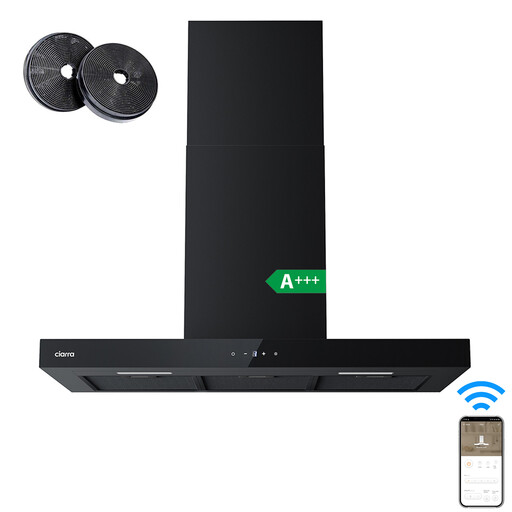 Image unavailable
Worth considering if you have space for a 90 cm wall-mounted hood. The product name lists four speeds, a Booster function and touch or app controls. Check the instructions for noise levels at everyday speeds and for details of how to maintain the filters for your chosen installation method.
 Image unavailable
Consider this model if your kitchen has space for a 90 cm wall-mounted hood. The extraction rate stated in the product title differs slightly from the maximum listed in its specifications, so check the instructions before comparing it with another hood. If you plan to use recirculation, also check which charcoal filter is required and whether it’s included.
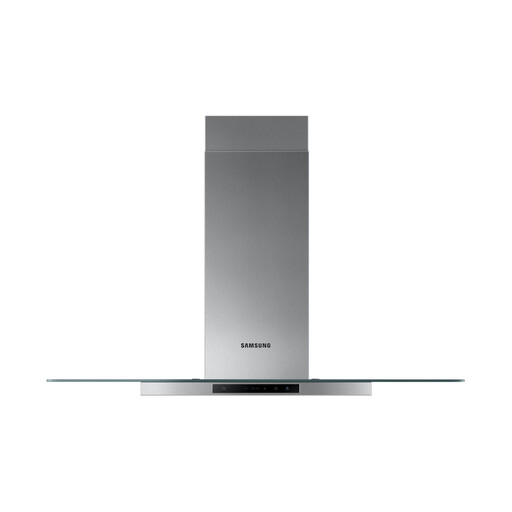 Image unavailable
Its decorative design suits plans for a 90 cm wall-mounted cooker hood. The 670 m³/h extraction rate stated in the product name isn’t enough to judge noise levels during everyday use. For recirculation, check the reference for the compatible charcoal filter: it’s listed as not included.
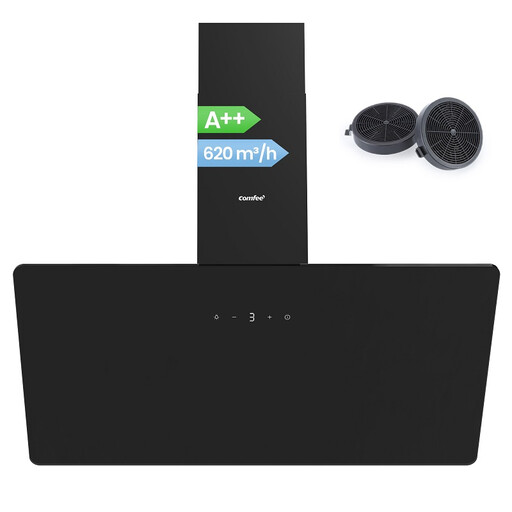 Image unavailable
Check that this angled design will fit the space around your cooking area. The product name lists four speeds, an extraction rate of 620 m³/h and both recirculation and extraction modes. Before installing it for recirculation, check which kit or charcoal filter is compatible. Also check the noise levels for the speed and mode you plan to use.
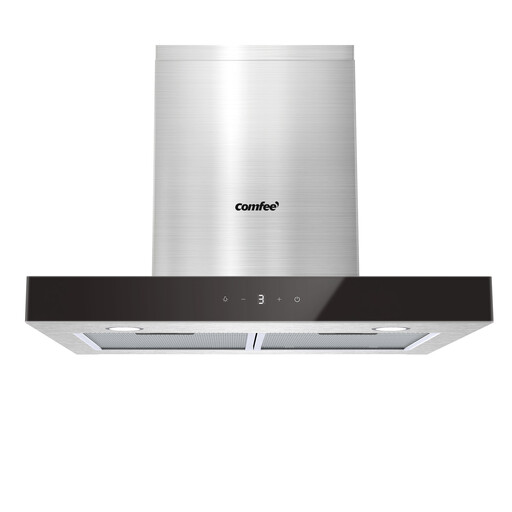 Image unavailable
Worth considering if a 60 cm model fits your space. The product name lists an extraction rate of 650 m³/h and both recirculation and extraction modes, but you’ll still need to check that the installation method suits your home. For recirculation, confirm the reference for the required charcoal filter and whether it’s included.
No, not if it forms part of a shared air outlet system. Article 14 of the Order of 24 March 1982, published on Légifrance, prohibits connecting an individual mechanical device, such as a cooker hood with a fan, to this system. Have the network identified before choosing extraction. Recirculation or an authorised dedicated duct are separate options to consider.
It’s an option to consider when there’s no suitable external outlet. According to guidance from Elica and Bosch, air passes through filters before being returned to the kitchen. Check that your chosen model supports this installation method and find out which filters or accessories it requires.
Follow the instructions for your model and the type of filter fitted. Bosch distinguishes between cleaning the metal grease filter and, in recirculation mode, maintaining or replacing the charcoal filter. The recommended frequency depends, among other things, on the filter technology and how often you use it.
Under Article 7 of the Law of 6 July 1989, published on Légifrance, alterations to rented premises or equipment require the landlord’s written permission. Get approval for the plans before work begins. If drilling affects the common parts or external appearance of a co-owned building, ANIL says authorisation from the general meeting is also required.
No. A cooker hood helps while you’re cooking, but it doesn’t replace airing your home or its general ventilation. Among the steps recommended when preparing meals, Anses advises putting lids on saucepans or switching on the cooker hood.