
Livraison le jour même ou le lendemain

Qualité garantie

Débloquez vos offres de bienvenue: Livraison GRATUITE | Jusqu'à -80 % | 30 jours d'essai gratuits à JoyPlus
Téléchargez l'application
Fixing a picture frame, a skirting board, a bathroom accessory or a decorative item without nails or screws can save time, especially in a rented property. But you need to pick the right product. An extra-strong double-sided tape capable of holding a significant weight isn't used like a carpet tape or a repair tape.
Before you buy, check the surface type, the weight to be supported, exposure to moisture, and whether the fix needs to be permanent or repositionable. Here are the criteria to run through to avoid nasty surprises.
Some tapes stick immediately, but their hold depends heavily on the pressure applied, the temperature and the nature of the surface. A fix that feels solid after a few minutes can lose its effectiveness on a dusty, uneven or vibrating surface.
So the stated load capacity should be treated with caution. It generally depends on the length used, the material, the position of the object and the contact time. A claim like "up to 120 kg per roll" doesn't mean a small piece can support that weight on any wall.
A double-sided tape for wall fixing can work on glass, metal or certain painted walls, but compatibility varies with the finish. Crumbly walls, wallpaper, textured surfaces, dusty wood and some hard-to-stick plastics can reduce adhesion.
For both indoor and outdoor fixing, also distinguish between a simply damp surface and an area permanently exposed to water. Even a waterproof tape isn't necessarily designed for continuous immersion.
No-nail, no-screw fixing tapes help limit holes and marks, but removal depends on the paint, varnish and condition of the surface. Permanent models can pull off a fragile finish. For temporary decoration or in a rented home, a repositionable double-sided tape or removable pads will often be more suitable.
The maximum stated load is a guide, not a universal guarantee. For a heavy object, spread the tape over several areas and increase the contact surface. Clean the surface with a non-greasy product, let it dry, then press firmly along the entire length of the tape.
Width also matters: a 19 mm tape works for many small fixings, while a 50 mm model is more practical for carpet, vinyl flooring or skirting boards. For bulky items, the strength of the surface and good weight distribution remain key.
Check the surfaces explicitly listed on the product page. Some powerful mounting tapes are designed for glass, metal, wood, stone and certain plastics. Materials like PE and PP may, however, need a specific formula.
For carpet or skirting boards, choose a carpet and skirting board tape rather than a very thin roll intended for picture frames. For repairs, a thick-backed reinforced tape will be more suitable than a clear tape designed for decoration.
For use in a bathroom, kitchen, garage or garden, check resistance to moisture and temperature changes. A product advertised as weather-resistant or UV-resistant will be more suitable for outdoor fixing, provided the surface is clean, stable and not submerged.
Application at room temperature is generally best. Avoid wet, greasy, dusty or very cold surfaces: they prevent the adhesive from bonding evenly.
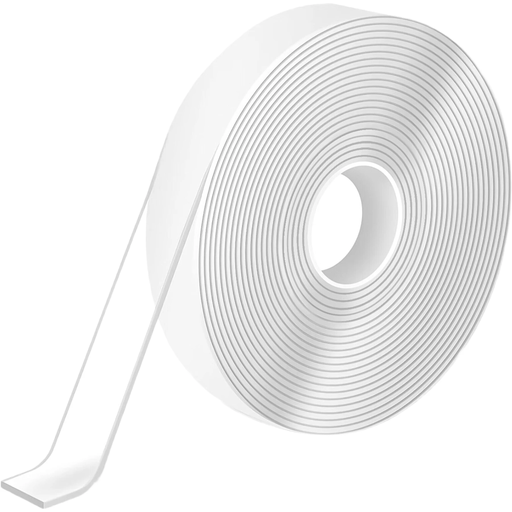
Why this choice suits this profile: With its 3 m length, this roll is ideal for small decorating, organising and fixing jobs at home, in the office or in the car.
Its washable, reusable gel allows you to adjust an installation, provided you use the product on a compatible surface and remove it carefully.
Acrylic gel, 3 m length, 1.3 cm width and water-cleanable, according to the product description.
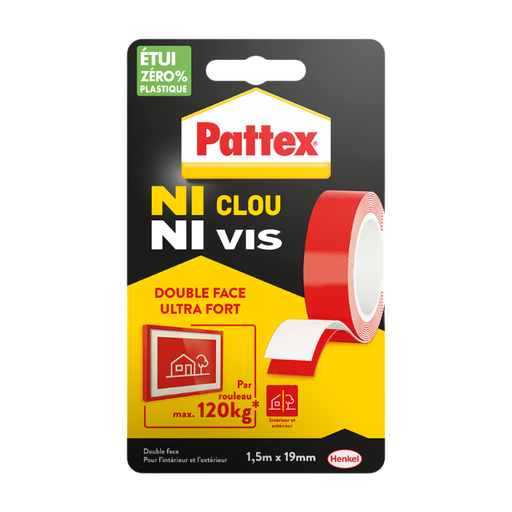
Why this choice suits this profile: It's suitable for installations that need a wide strip and a permanent fix on various surfaces, indoors and outdoors.
The product page lists compatible materials, moisture resistance and a stated capacity of up to 120 kg per roll. This value should, however, be interpreted based on the application.
1.5 m roll, 19 mm wide, claimed instant bonding and compatibility stated with glass, metal, wood, stone and certain plastics.
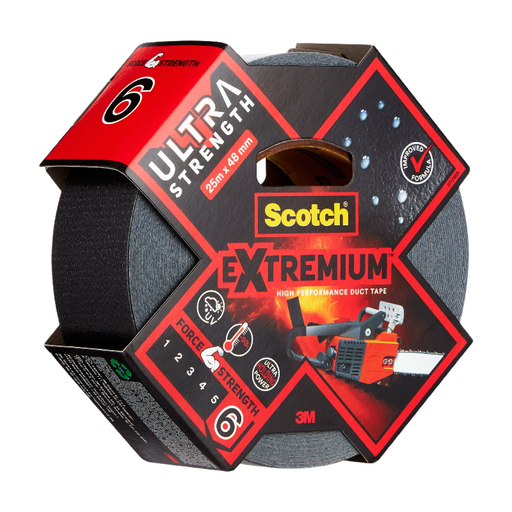
Why this choice suits this profile: This format is aimed at household, automotive or outdoor repairs that need a thick, durable backing.
It isn't presented as a versatile wall-fixing tape, but as an ultra-strong repair tape designed for specific tasks.
Thick, waterproof backing, rubber-based adhesive, 48 mm width and 25 m length, with claimed hand-tearability.
For floors, apply the double-sided tape to a dry, dust-free surface, then press the carpet, vinyl or skirting board firmly. A bitumen-based strip may be more suitable for certain gardening and outdoor jobs, particularly when waterproofing and weather resistance are priorities.
We've put together a comprehensive list, updated in real time, of products that fully meet these demanding selection criteria and European safety regulations.
The load depends on the model, the length applied, the surface and the weight distribution. Check the value stated by the manufacturer and keep a safety margin, especially for an object placed at height or subject to vibrations.
No. The result depends on the paint, wallpaper, texture and age of the coating. Test on an inconspicuous area and avoid fragile or porous surfaces if the product page advises against them.
Some models are designed to resist moisture, rain and UV rays, but they aren't necessarily suitable for permanent immersion. The surface must remain clean, stable and compatible with the adhesive.