
Livraison le jour même ou le lendemain

Qualité garantie

Débloquez vos offres de bienvenue: Livraison GRATUITE | Jusqu'à -80 % | 30 jours d'essai gratuits à JoyPlus
Téléchargez l'application
Choosing a liqueur online is about more than simply picking out an attractive bottle. Whether it is a French liqueur, a Japanese speciality, an amaretto or a flavoured rum, the differences in taste, alcohol content and intended use can be considerable. A bottle that is enjoyable to sip neat will not necessarily work at its best in a cocktail. Cream liqueurs may also require a little extra care after opening.
Before making a purchase, check that the product is intended for adults aged 18 and over. Alcohol should be consumed in moderation, and alcoholic drinks are not recommended during pregnancy.
A French, Italian or Japanese origin can offer an initial indication of a bottle’s style, but it is not enough to determine whether it will suit you. A coffee and cream liqueur, an umeshu and a pastis are intended for entirely different uses. Instead, check the ingredients, alcohol content, volume and serving suggestions.
A sweet drink may seem easy to enjoy, but it can also overpower a mixed drink. Fruit liqueurs generally work well in refreshing cocktails, while an amaretto or cream liqueur is better suited to coffee, desserts or sipping over ice. For a well-balanced result, keep an eye on the trio of sweetness, acidity and alcohol.
An opened bottle cannot always be stored in the same way. Products containing cream or milk, such as a coffee and cream liqueur, should be stored according to the instructions on the label. Some fruit-based options also recommend refrigeration after opening. Always check the date and storage instructions shown on the packaging.
The alcohol by volume, shown as a percentage, helps you anticipate the intensity on the palate and the amount of alcohol being served. A smooth liqueur at 10 or 13 % may be suitable for a lighter tasting experience, while a spirit at 28, 31, 35 or 40 % will have a more pronounced presence.
A few reference points from this selection:
Alcohol content alone says nothing about the quality of a liqueur. It is mainly useful for adjusting the quantity and serving style.
For an alcoholic aperitif, favour fresh, fruity or aniseed notes. Pastis is generally diluted with water, while a fruit liqueur can be served over ice or combined with sparkling wine.
When preparing a liqueur for cocktails, look for a distinctive flavour and good compatibility with citrus fruits, fizzy drinks or clear spirits. Cointreau brings orange notes, St-Germain adds a floral touch and limoncello delivers a distinctly lemony character.
For a digestif, minty, herbal, creamy or spicy profiles are often preferred. The choice is ultimately a matter of personal taste, rather than any supposed effect on digestion.
A 50 cl format can be a good way to discover an original flavour without accumulating half-used bottles. 70 or 75 cl formats are better suited to a home bar that is used regularly.
Also take the time to read the ingredients list and allergen information:
This information is especially important when entertaining guests or looking for a bottle to give as a gift.
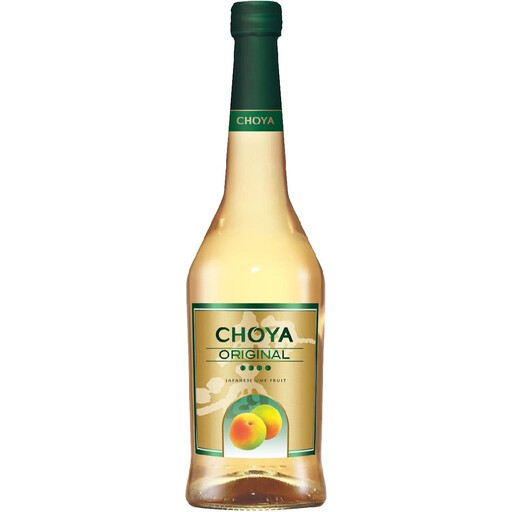
Why this choice suits this profile : At 10 % alcohol and in a 75 cl format, it is a gentle, fruity introduction to umeshu, suitable for aperitifs or serving over ice.
The product details clearly state the alcohol content, volume and different serving options. There is no risk of mistakenly assuming that this bottle is suitable for every use.
A Japanese plum-based umeshu to serve chilled, over ice or topped up with sparkling water.
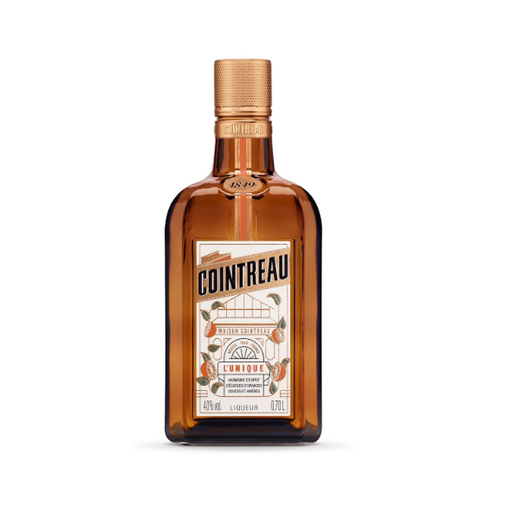
Why this choice suits this profile : Its combination of sweet orange and bitter orange peel works equally well for sipping over ice or preparing classic cocktails.
Its high alcohol content is clearly displayed: it is better to measure it carefully than pour it at random into a cocktail.
40 % vol., 70 cl, orange peel notes and excellent compatibility with a Margarita, Cosmopolitan or Side Car.
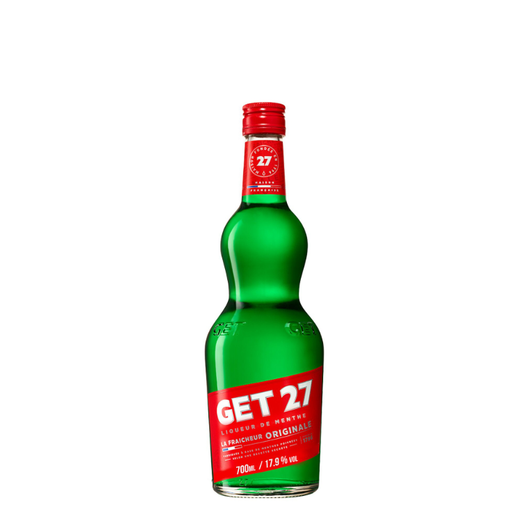
Why this choice suits this profile : This French mint liqueur is primarily enjoyed as a digestif, while also adding freshness to certain mixed drinks.
Its positioning as a digestif makes it clear that it is not a neutral base intended for every recipe.
17.9 % vol., a 70 cl format and a pronounced minty profile to round off the meal with a refreshing note.
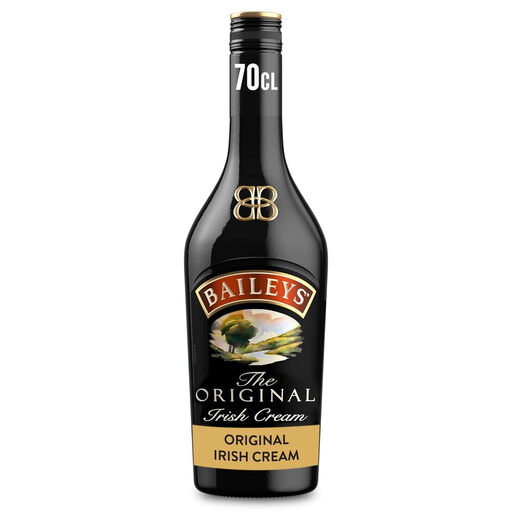
Why this choice suits this profile : Its smooth texture and cocoa and vanilla notes are ideal over ice, in coffee or with a dessert.
The presence of cream and milk is clearly stated: make sure it is stored appropriately and take any potential allergens into account.
17 % vol., 70 cl, and a winning combination with coffee, ice cubes or vanilla ice cream.
We have brought together a complete, real-time selection of products that meet these exacting criteria as well as European safety regulations.
Fans of aniseed flavours can try Ricard Pastis de Marseille 45 %, diluted with water. For a vegetal touch, the 13 % Japanese matcha liqueur adds green tea notes to mixed drinks. Disaronno Originale, an Italian amaretto at 28 %, develops almond and hazelnut aromas, while Disaronno Velvet focuses on a creamy texture and vanilla notes.
There is no shortage of fruity profiles either: Italian limoncello, lychee liqueur, passion fruit punch, guava or lychee flavoured rum. To choose a bottle that can work in several cocktails, consider the recipes you have in mind and the amount of sugar already present in the other ingredients.
A product between 10 and 20 % vol., such as an umeshu, mint liqueur or cream liqueur, may be easier to serve and measure. The flavour profile remains key: fruity, floral, minty or creamy, depending on your taste.
Store it upright, tightly closed and away from light and heat. For recipes containing milk or cream, follow the manufacturer’s instructions carefully and place the bottle in the fridge when recommended.
Cointreau works well in citrus-based recipes, St-Germain in floral mixes, limoncello in lemony cocktails and amaretto in rounder, richer drinks. Always check the alcohol content and sugar level to preserve the cocktail’s balance.