
Livraison le jour même ou le lendemain

Qualité garantie

Débloquez vos offres de bienvenue: Livraison GRATUITE | Jusqu'à -80 % | 30 jours d'essai gratuits à JoyPlus
Téléchargez l'application
Choosing a tropical drink seems simple… until you look closely at the label. Between juice, nectar, fruit drink and flavoured blend, the ingredients, sugar content and format can change the drinking experience, as well as significantly affecting the price. For a French household, you also need to consider storage, the number of servings and how you intend to use it.
Before buying exotic fruit drinks, here are the key points to check to avoid any unpleasant surprises.
A large image of fruit on the packaging does not guarantee that the drink contains a high proportion of juice or purée. An exotic fruit juice may be made from concentrate, while a nectar generally combines purée or juice with water and, depending on the recipe, sugar.
Fresh or ready-to-drink fruit beverages may also contain flavourings, acidity regulators or sweeteners. The best approach is to check the ingredients list and the fruit percentage, rather than relying solely on the image on the bottle.
“Natural”, “authentic” or “rich in vitamins” are claims that need to be put into context. When comparing mango nectar, lychee drinks or guava juice, the ingredients list is much more informative.
A recipe may contain fruit purée while still having a high sugar content. Nutritional values per 100 ml make it easier to compare products on a consistent basis, especially when pack sizes range from 250 ml to 2 l.
A large bottle is ideal for family meals, but it will generally need to be refrigerated after opening and consumed within the period stated by the manufacturer. Individual formats are more convenient for lunch, trips out or parties, but their price per litre is often higher.
Also check whether the bottle needs shaking before opening, whether the drink contains pulp or pieces, and what the storage conditions are. Sediment in a passion fruit or soursop drink can be completely natural and does not necessarily indicate a problem.
To compare a tropical juice, nectar or flavoured drink, start by looking for the terms “juice”, “purée” and “concentrate” in the ingredients list. For example, MAAZA Tetra Mango Juice contains 17% mango purée, while Don Simon Mango Nectar states that it contains 35% mango purée. These figures provide an initial indication of the fruit’s texture and intensity, although preferences vary from person to person.
Some recipes combine several fruits. MONTPELE Tropical Nectar includes apple, orange, mango, pear, apricot and guava, in a pack of four 50 cl bottles to enjoy as you wish.
Compare the figures per 100 ml, then estimate the amount you will actually drink in a glass. The differences can be considerable: Don Simon Disfruta Multifruit contains 20 kcal and 4.2 g of sugar per 100 ml, while Maaza Banana contains 65 kcal and 16 g of carbohydrate per 100 ml.
The claim “no added sugar” does not mean “sugar-free”: sugars naturally present in fruit are still included in the total. To compare products properly, refer to the nutrition table and the complete ingredients list. These drinks are still treats and should not replace water as part of your daily routine.
For a reception, larger packs reduce the number of trips needed to top up supplies. However, for occasional consumption, a smaller format reduces the risk of leaving an opened bottle in the fridge for too long.
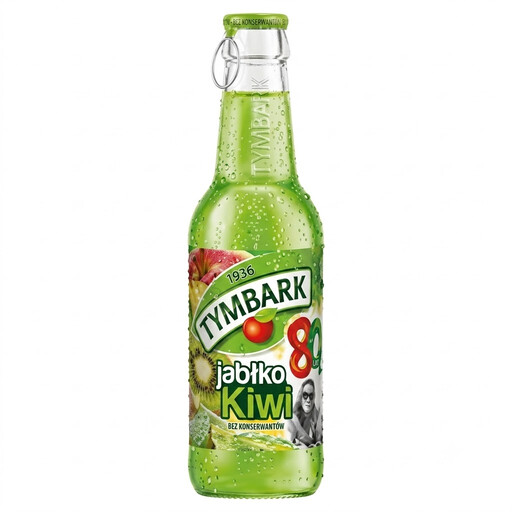
Why this is a smart choice : At 250 ml, this drink lets you try the apple and kiwi combination without opening a large bottle. It is ideal for solo breaks and households looking to avoid waste.
The label states 17 % apple juice and 3 % kiwi juice, along with 19 kcal and 4.6 g of sugar per 100 ml. This makes the composition clear before you buy.
Individual format, ready-to-drink beverage and refrigerated storage for 48 hours after opening.
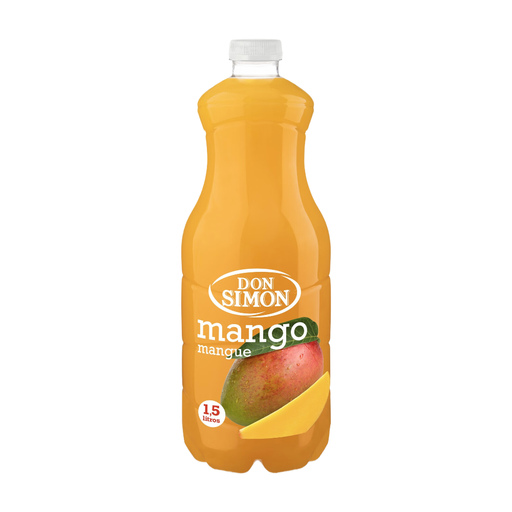
Why this is a smart choice : This 1.5 l bottle of mango nectar is made for long meals and for anyone who enjoys a generously fruity texture, with 35 % mango purée stated on the label.
The purée percentage is clearly displayed, making it easy to distinguish a genuine mango nectar from a simple flavoured drink.
1.5 l bottle, 35 % mango purée stated and 52 kcal per 100 ml according to the product information.
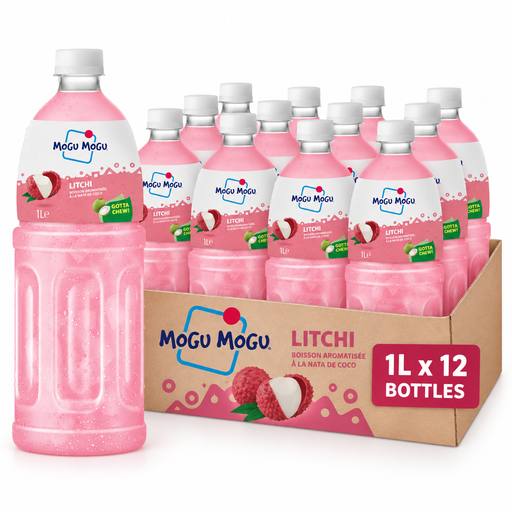
Why this is a smart choice : This pack of 12 1 l bottles is aimed at parties, community groups and catering venues looking for a lychee drink with an unusually distinctive texture.
The presence of 25 % nata de coco cubes is clearly stated. However, take note of the choking hazard warning, particularly for children and older people.
Pack designed for sharing, storage at room temperature and a texture enhanced with pieces of nata de coco.
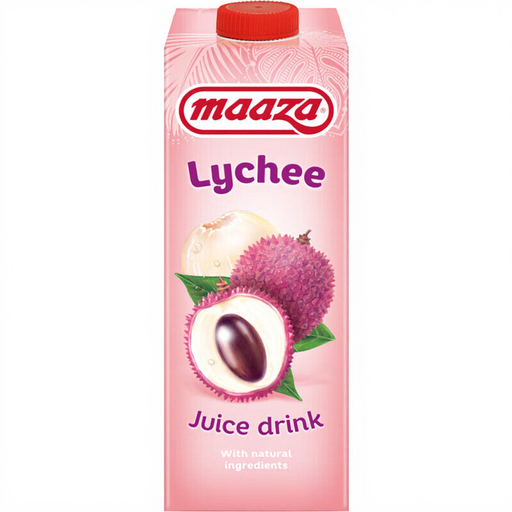
Why this is a smart choice : This family-sized format offers a gentle, floral flavour, ideal served well chilled with a meal or shared at snack time.
The product information states 18 % lychee purée and specifies the storage conditions. These should still be checked on the packaging you receive.
1 l bottle, alcohol-free drink and 44 kcal per 100 ml according to the available information.
We have brought together a complete, real-time updated selection of products that meet these exacting criteria and European safety regulations.
For a summer table, DİMES’ watermelon and strawberry blend, available in a 1 l bottle, adds a fruity touch and contains 26 kcal per 100 ml according to its product information. A passion fruit drink such as Rubicon Classic Passion Fruit is better suited to fans of sharp, tangy flavours and to gatherings, particularly in a larger format.
Fancy a change from the classics ? Banana juice, guava juice and soursop drinks all offer distinctly different flavour profiles. Maaza Edge Soursop states that it contains 18 % soursop purée and 2 g of fibre per 100 ml. However, this information should be checked on the label of the product you receive.
Juice contains fruit juice, while nectar may combine purée, water and sugar, depending on the recipe. Compare the fruit percentage, the texture you are looking for and the amount of sugar per 100 ml.
Always follow the manufacturer’s instructions. Several products need to be refrigerated after opening and consumed within 3 to 5 days. Some smaller formats should be drunk within 48 hours or on the day they are opened.
No. Nata de coco cubes may present a choking hazard, particularly for young children and older people. Read the information about the texture and the warnings carefully before buying and serving.