
Livraison le jour même ou le lendemain

Qualité garantie

Débloquez vos offres de bienvenue: Livraison GRATUITE | Jusqu'à -80 % | 30 jours d'essai gratuits à JoyPlus
Téléchargez l'application
Craving a one-way ticket to the tropics without leaving your sofa?? Exotic fruit juices promise an instant escape, a burst of sunshine with the flavours of mango, lychee, or guava. Yet, once you're in the supermarket aisle, the dream can quickly turn into a headache. Between the tempting labels and the product's actual composition, disappointment is often just around the corner. To help you see things more clearly, we've broken down the labels and listed the essential criteria to ensure you never make a mistake again.
The first pitfall is misleading names. A bottle featuring a juicy mango in close-up may in reality be just a "mango-flavoured drink" with a fruit content close to zero. The second hurdle?: hidden sugar. To mask a low percentage of fruit, many manufacturers load up on added sugars, turning your refreshing break into a calorie bomb.
An informed choice takes only a few seconds of scanning the packaging. These clues will help you separate the wheat from the chaff and spot quality products among ultra-processed drinks.
The product's legal name is the first clue. Regulations on this are very clear?:
For a mango juice or guava juice with an authentic taste, aim for nectars or drinks that list a high percentage of fruit purée at the top of the ingredients.
Rule of thumb?: the shorter the list, the better. Avoid lists that start with "Water, sugar..." and where the fruit only appears in third or fourth position. Sugar loves to play hide-and-seek under different names?: glucose-fructose syrup, fructose, etc. A quality product highlights the fruit, not the sugar.
The world of tropical drinks isn't limited to smooth juices. Many Asian drinks focus on original textures for a unique experience?:
To put theory into practice, here are a few gems that tick all the boxes, for different profiles and preferences.
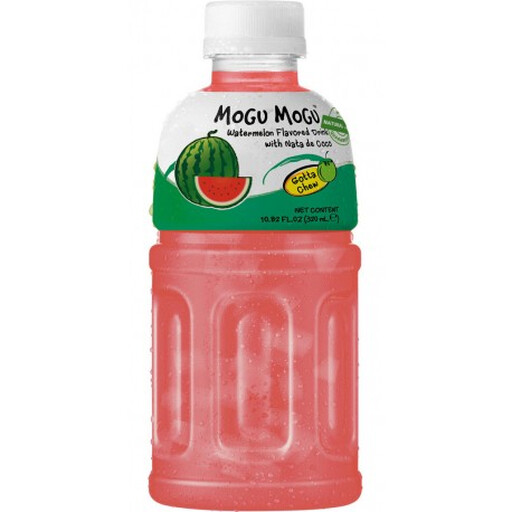
The concept : Perfect for an introduction to new-generation Asian drinks. The combination of fruit juice and chewy nata de coco pieces offers an experience that is both delicious and fun, light-years away from traditional sodas.
This drink doesn't pretend to be something it's not. Its number one selling point is the texture of the nata de coco. You buy it for its fun, drinkable-dessert quality, not for its fruit content, which avoids any unpleasant surprises.
Fun and refreshing texture ; a truly original alternative to sodas.
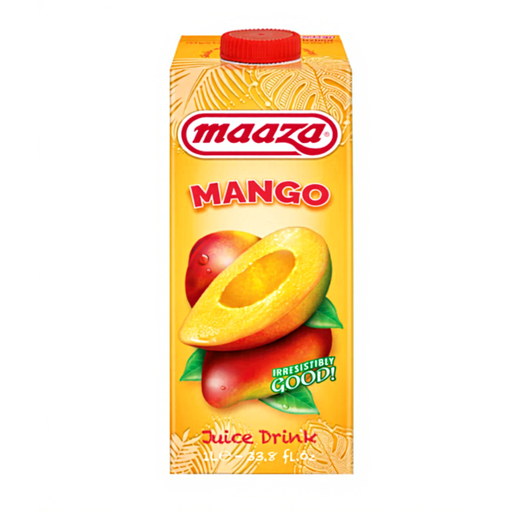
The concept : For those who want to experience the true taste of mango—intense and smooth. The 1L format is perfect for family use or for quenching your thirst over several days without breaking the bank.
With 17% mango purée, this is a far cry from drinks that rely on synthetic flavourings. Here, the fruit is prominent, and you can taste it. The mango flavour clearly outweighs the sugar.
Intense and authentic taste thanks to the fruit purée ; very economical 1L format.
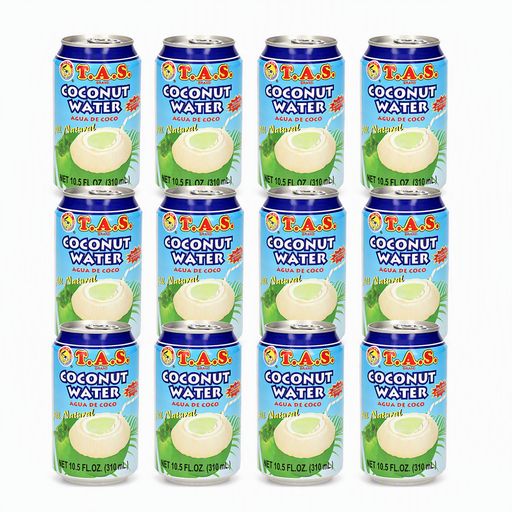
The concept : The perfect partner for rehydrating after a workout or during a heatwave. This coconut water gets straight to the point : a healthy, no-frills alternative to sugary drinks, for pure and simple refreshment.
The ingredient list couldn't be clearer : 100% coconut water. Zero added sugar, zero flavourings, zero hidden catches. It's the raw, unadulterated product.
100% natural and no added sugar ; optimal hydration thanks to electrolytes.
Discover our full selection of drinks that meet our quality and regulatory criteria.
Once the bottle or carton is opened, put it in the refrigerator immediately. Most manufacturers recommend consuming it within 3 days to preserve its freshness and flavours. Remember to close the cap tightly!
A pure juice is 100% from the fruit, with no added water or sugar. A nectar, on the other hand, is a mix of fruit purée or juice (with a minimum content of 25% to 50% depending on the fruit), water, and, most often, sugar. It's a very common formula for fruits like lychee or guava, which would be too thick or acidic to drink in their pure form.
Nata de coco is a specialty from the Philippines. It consists of small, firm, translucent cubes of jelly, produced by the fermentation of coconut water. Rich in fibre, they add a chewy texture that is very popular in Asian drinks, turning a simple beverage into a fun and gourmet experience.