
Livraison le jour même ou le lendemain

Qualité garantie

Débloquez vos offres de bienvenue: Livraison GRATUITE | Jusqu'à -80 % | 30 jours d'essai gratuits à JoyPlus
Téléchargez l'application
The allure of tropical drinks is the promise of an escape. A single sip of mango juice, guava juice, or lychee juice is enough to transport us thousands of miles away. But be warned: on supermarket shelves or in online shops, not all bottles are created equal. Between misleading labels and endless ingredient lists, it's easy to make the wrong choice.
Before you fill your cart, let's review the most common pitfalls. This will arm you with the knowledge to find the hidden gems that truly meet your expectations.
To stop buying blind, focus on a few key points. These indicators will help you distinguish a genuinely good juice from a marketing product with flashy packaging in the blink of an eye.
Regulations are precise, but you still need to know how to read between the lines. The product's name is your best clue.
A short ingredient list is almost always a sign of quality. For an exotic fruit juice, the fruit (as puree or juice) and water should be at the top of the list. Be wary of products where sugar (or glucose-fructose syrup) appears as the second or third ingredient.
Also, avoid colourings and flavourings that are not specified as "natural." A good coconut water, for example, should only contain... coconut water. At most, a hint of sugar to stabilise the taste, and even that is debatable.
The container is not just a detail; it should fit your lifestyle.
Here are a few options that meet different needs and profiles, based on the criteria we've just covered.
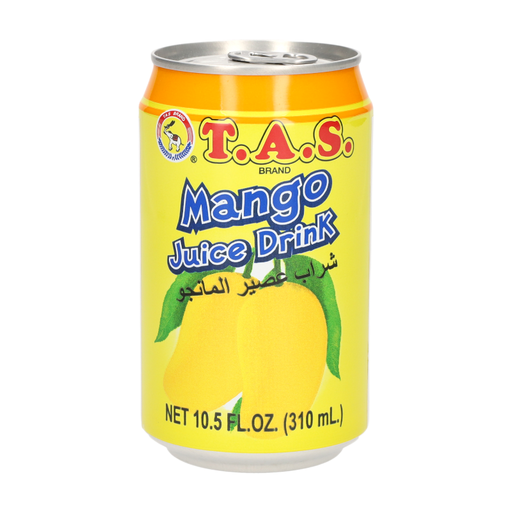
Why we love it: A must-have for purists who want to experience the true taste of mango. With its clean recipe and high fruit concentration, it's the perfect choice for a moment of pure indulgence.
With its 30% mango puree, this is light-years away from "mango flavour drinks." The taste is authentic and unadulterated.
An ultra-short and clear ingredient list: water, mango puree, cane sugar, and an acidity regulator. That's it. No unnecessary colours or flavourings.
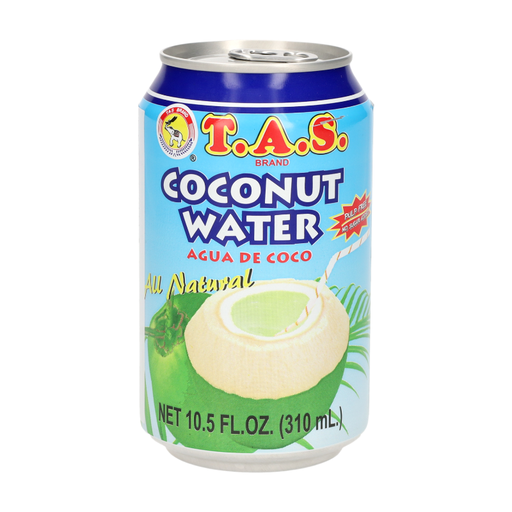
Why we love it: The perfect partner for rehydrating after a workout or during a heatwave. A healthy and natural alternative to sodas and sugar-laden juices.
No nasty surprises on the sugar front here. The composition is beautifully simple: 100% coconut water. Zero added sugar, zero preservatives.
Naturally packed with electrolytes, it ensures optimal hydration. Its can format is perfect for taking it anywhere and enjoying it chilled.
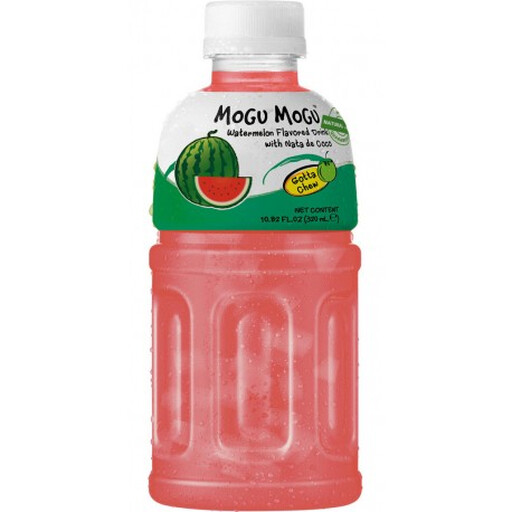
Why we love it: Tired of traditional juices? This drink is a true experience: a fresh juice to drink and nata de coco cubes to chew. Fun, delicious, and delightfully nostalgic.
This drink is upfront about what it is: it's not just a juice. Its main selling point is the nata de coco. No false promises, just the pleasure of a unique drinkable dessert.
A unique sensation, halfway between a drink and a snack. The ultra-refreshing watermelon flavour is a real bonus.
Discover our full selection of drinks that check all the boxes from our guide and comply with current regulations.
Once opened, a bottle or carton must be kept in the refrigerator. Consume it within 3 to 5 days to maintain its freshness and prevent oxidation. A can, on the other hand, should be consumed immediately after opening.
It's all a matter of fruit content and whether or not sugar has been added. A "pure juice" is 100% from the fruit, with no added sugar. A "nectar," like a guava or mango nectar, is a blend of fruit puree (a legal minimum of 25%), supplemented with water and sugar. This formula is often necessary for fruits with pulp that is too thick or a taste that is too acidic to be consumed as pure juice.
Of course! It's an excellent idea. Tropical drinks are perfect bases for cocktails, with or without alcohol (mocktails). A lychee juice pairs wonderfully with gin or vodka, while coconut water will add a touch of smoothness to an infused rum. Mango and passion fruit juices, meanwhile, are essentials for creating summer cocktails that are as beautiful as they are delicious.