
Livraison le jour même ou le lendemain

Qualité garantie

Débloquez vos offres de bienvenue: Livraison GRATUITE | Jusqu'à -80 % | 30 jours d'essai gratuits à JoyPlus
Téléchargez l'application
An exotic fruit juice works just as well with breakfast as it does with a spicy dish, a buffet or a quick snack on the go. But there can be a world of difference between the label and the pretty picture. Juice, tropical fruit nectar or fruit drink – the actual fruit content, sugar level and size can vary enormously.
Before you fill your basket, here are the main pitfalls to avoid and the criteria to check when choosing tropical drinks for your home, business or event.
The word "tropical" doesn't tell you much about what's inside. A juice can be made from fruit or from concentrate. A nectar usually contains water, fruit purée or juice, sometimes with added sugar. As for fruit drinks, the fruit content can vary widely.
To compare products on a solid basis, check the ingredients list and look for the percentage of juice, purée or pulp. FOCO Passion Fruit Juice 350 ml, for example, contains at least 25% passion fruit juice. The Mango Nectar 2 L is made with mango pulp and contains 12 g of sugars per 100 g, according to the information provided.
A fruit juice with no added sugar still contains the sugars naturally present in the fruit. So this claim doesn't mean "sugar-free". Joker Engagé Multi-Fruit Juice No Added Sugars 1 L is described as a drink made from pressed fruit and vegetables, with no added sugar, colourings or preservatives. Yet its label shows 11 g of sugars per 100 ml.
Look at the "of which sugars" line and relate it to the amount you actually drink. A 330 ml can doesn't have the same impact as a small 238 ml carton, even if the values per 100 ml look similar.
A 75 cl bottle is perfect for sharing over a meal, but it will usually need to be kept in the fridge once opened. Individual cans and bottles are more practical for quick service, packed lunches or single-unit sales.
Check the best-before date, storage conditions and how long it keeps after opening. Some products can be stored at room temperature before opening, while others need to be chilled straight away. For a restaurant or caterer, the number of units per carton also matters – it helps avoid overstocking and poorly sized orders.
For a mango, lychee, passion fruit, guava or pineapple juice, start by identifying the form the fruit takes: juice, purée, concentrate or powder. This difference directly affects the texture and intensity of the flavour.
Recipes using calamansi, tamarind or less common fruits can also be noticeably more tart. SAGIKO Calamansi Juice Drink, for instance, combines concentrated calamansi juice, sugar and citric acid. Its product page also mentions the presence of sulphites, an allergen to consider in a professional setting.
The European nutrition table is usually given per 100 ml. So you need to put it into perspective with the size you choose:
Packaged in 24 x 330 ml cans, Spring Valley 100% Tropical Juice contains around 9.5 g of sugars per 100 ml. The format is handy for an event, but remember to calculate the total volume: this pack represents nearly 8 L of drink.
At home, 75 cl to 1 L bottles fit easily in the fridge. For a large family or catering service, a fruit juice multipack reduces the risk of running out and makes distribution simpler.
The presentation format is also worth your attention. Individual portions are ideal for lunch boxes and takeaway sales. Larger formats are better suited to non-alcoholic cocktails, smoothies and buffets.
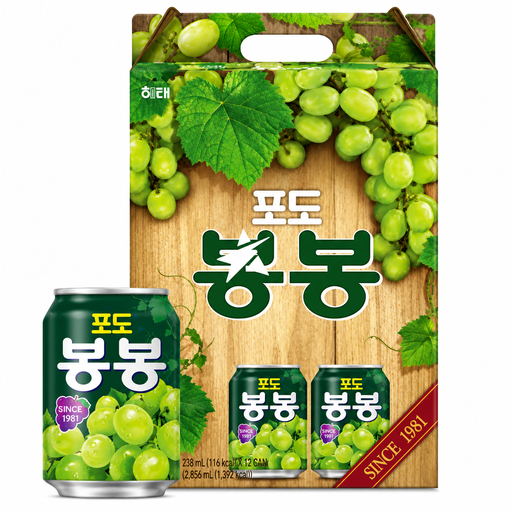
Why this suits this profile: With its 12 x 238 ml portions, this pack lets you try a Korean-inspired fruit drink without committing to a large family-size format straight away.
The individual format reduces waste once opened. The product page shows 13.2 g of sugars per 100 g – a value worth comparing with competing products.
Pack of 12 units, stores at room temperature before opening and has a stated shelf life of 360 days.
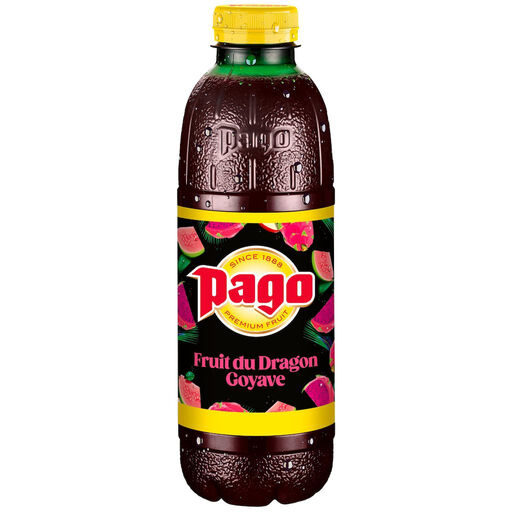
Why this suits this profile: The combination of dragon fruit and lychee adds a colourful touch and breaks away from the usual tropical blends. A choice that works just as well for aperitifs as it does on an elegant table.
The ingredients list specifies 5% dragon fruit purée and 12% guava purée. Remember to shake the bottle before opening.
75 cl bottle, texture from fruit purées and a stated energy value of 44 kcal per 100 ml.
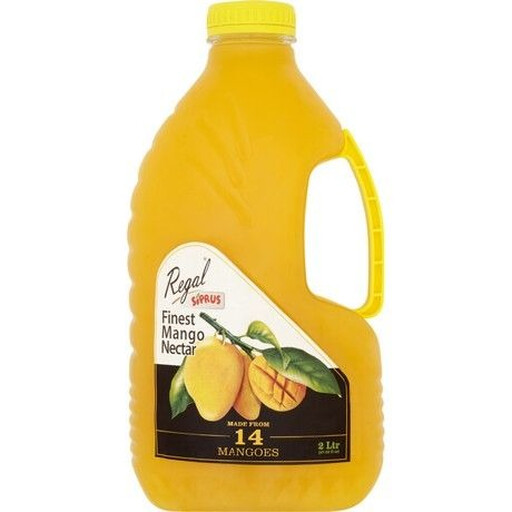
Why this suits this profile: With its 6 x 2 L bottles, this packaging meets the needs of large families, restaurants, caterers and buffet services.
The total volume is clearly stated, making it easy to calculate the price per litre. This format also avoids accumulating lots of small units when restocking.
Mango pulp, 6 x 2 L bottles and a format suitable for service, smoothies and cocktail preparation.
We've put together a complete, real-time selection of products that meet these exacting criteria as well as European safety regulations.
Juice belongs to a regulated category with a precise composition. Nectar usually combines fruit juice or purée with water, and the minimum fruit content varies depending on the recipe. Fruit drinks, on the other hand, can contain a different proportion of fruit. To avoid confusion, check the legal name and the ingredients list.
It depends on the product. Most bottles need to be refrigerated after opening and consumed within a few days. Small cans and individual portions are generally intended to be drunk straight after opening. The instructions on the packaging are your best guide.
Yes, as long as you choose a format that matches your service. Packs of 24 cans make single-unit sales and stock management easier. Cartons of 1 L or 2 L bottles are better for sharing, serving in jugs and preparing drinks. Before ordering, compare the price per litre, the best-before date and the space you have available.