
Livraison le jour même ou le lendemain

Qualité garantie

Débloquez vos offres de bienvenue: Livraison GRATUITE | Jusqu'à -80 % | 30 jours d'essai gratuits à JoyPlus
Téléchargez l'application
An exotic fruit juice can accompany breakfast, a meal or a day out. But not all fruit drinks are equal, either in terms of their ingredients or how they are used. Between juice, nectar, fruit drinks and multi-fruit juice, the differences can be noticed in the taste, storage requirements and price.
Before choosing bottled fruit juice or a multipack of fruit drinks, there are three pitfalls to avoid.
Start by identifying the product category. Fruit juice may be made from concentrate or not. Tropical nectar generally contains fruit juice or purée, water and, sometimes, sugar. A fruit drink, meanwhile, may have a significantly lower fruit content.
The ingredients list is always presented in descending order of quantity. So check how prominently the fruit appears and look at the quantitative declaration whenever an ingredient is highlighted on the label. For example, WANT WANT Peach Juice Drink contains 1 % concentrated peach juice, while FOCO Mango & Passion Fruit Drink states 10 % mango and 5 % passion fruit.
Compare the values per 100 ml, then relate them to the amount you actually drink. A one-litre bottle does not represent an individual serving. Depending on the recipe, the products featured contain between 4.6 g and 12 g of sugars per 100 ml.
Joker Engagé Multi-Fruit Juice carries the no added sugars claim. Its recipe is based on a blend of fruit and vegetable juices and purées. However, this claim should be considered alongside the nutritional information: the product contains 11 g of sugars per 100 ml, naturally present in its fruit-based ingredients.
If you are monitoring your sugar intake, you could also choose a smaller size or dilute the drink, depending on your usual habits. This is not medical advice, but simply a useful guide when doing your shopping.
For regular consumption at home, a 750 ml to 1-litre bottle is well suited to breakfast or meals. A multipack of fruit drinks made up of smaller formats is more convenient for snacks, picnics, packed lunches or trips out.
Always check the instructions on the packaging. Several products need to be refrigerated after opening and consumed within two to five days. 330 ml cans are better suited to immediate consumption, for example at a picnic or family gathering.
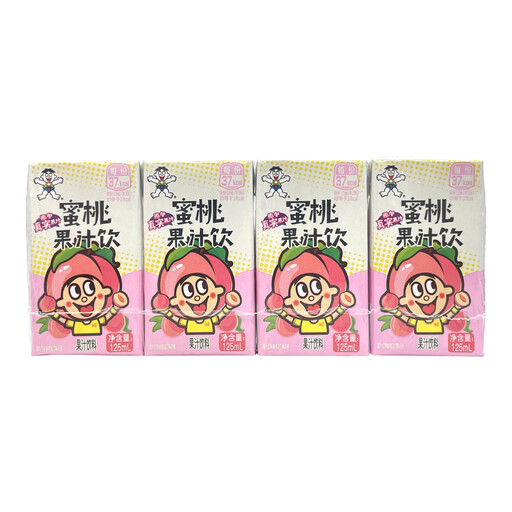
Why this choice suits this profile: With four 125 ml cartons, this multipack lets you try a peach drink without committing to a large volume. Easy to slip into a bag, the cartons are suitable for breakfast as well as snack time.
The individual format helps prevent waste after opening. The stated 1 % peach juice content also makes it clear that this is a drink rather than a fruit-rich juice.
Pack of four units, 30 kcal and 7.2 g of sugars per 100 ml according to the product information.
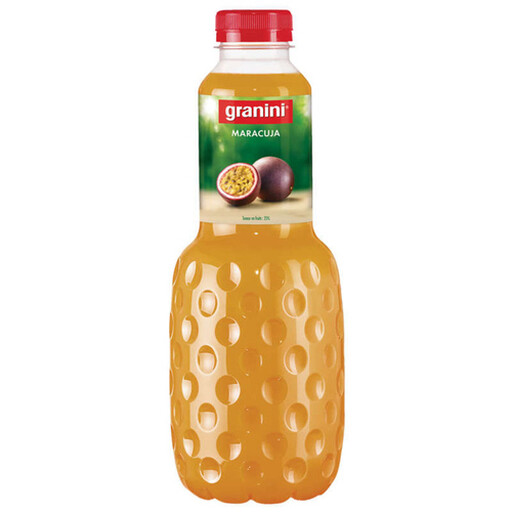
Why this choice suits this profile: The combination of passion fruit and maracuja is ideal for those looking for a drink with a pronounced fruity flavour, to serve at brunch or with a meal.
The product information provides a detailed ingredients list, including passion fruit juice from concentrate, pectin and vanilla extract. This lets you check the recipe beyond the tropical packaging.
One-litre bottle, 52 kcal and 12 g of sugars per 100 ml according to the product information.
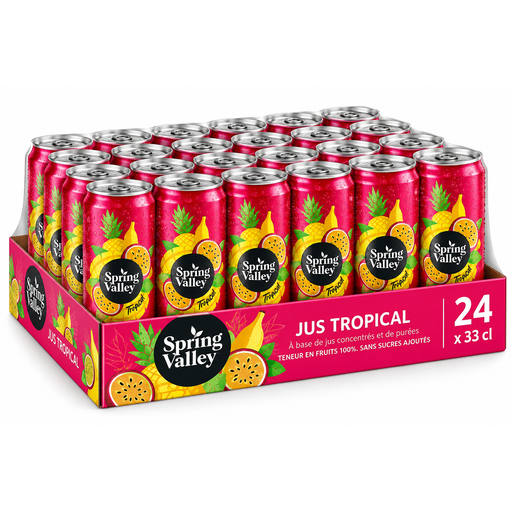
Why this choice suits this profile: With 24 cans of 330 ml, this multipack is suitable for meetings, offices, receptions, clubs and households that regularly consume individual portions.
Each can can be enjoyed in one go, so there is no need to store a large opened bottle. The detailed composition also specifies the proportions of apple, pineapple, orange, mango and passion fruit.

Why this choice suits this profile: Its blend of apple, peach, banana, mango, carrot, lemon, pineapple and guava juices and purées fits easily into a family breakfast.
The no added sugars claim is accompanied by a clearly identifiable ingredients list. However, you should still take into account the 11 g of sugars per 100 ml stated in the product information.
One-litre bottle, with no colourings or preservatives according to the information provided.
We have compiled a complete, real-time selection of products that meet these demanding criteria and European safety standards.
A one-litre bottle or a multipack of several bottles is suitable for shared meals. For snacks and trips out, 125 ml cartons and 330 ml cans help minimise leftovers after opening.
Yes. Nectar generally contains water as well as fruit juice or purée, and its recipe may include sugar. Multi-fruit juice combines several juices or purées. The product description, fruit percentage and ingredients list allow you to tell them apart.
Follow the instructions on the label. Most bottles should be refrigerated after opening and consumed within the following few days. Small individual formats are generally designed to be drunk in one go. Also check the best-before date and shake the bottle if the label indicates that it contains pulp or natural sediment.