
Livraison le jour même ou le lendemain

Qualité garantie

Débloquez vos offres de bienvenue: Livraison GRATUITE | Jusqu'à -80 % | 30 jours d'essai gratuits à JoyPlus
Téléchargez l'application
A mango ice cream, a mango sorbet or frozen mochi – the choice seems simple. Yet the ingredients and format can completely change the mouthfeel, the price per portion and how well it keeps at home. If you love ice creams and sorbets with exotic fruits, a few checks are all it takes to avoid unpleasant surprises.
A mango or passion fruit on the packaging doesn't guarantee the recipe contains a meaningful amount of fruit. Check the ingredients list and look for the percentage of purée or juice. The POP FRUIT sorbet, for example, contains 60% mango purée, while the Maison de la Glace coconut-mango ice cream contains just 6%.
These two products therefore promise very different experiences: the first is clearly fruit-led, while the second focuses on a creamy texture from milk, butter, eggs and coconut.
A 900 ml tub is handy for a family meal, but it can sit half-eaten in a domestic freezer for weeks. Ice lollies and frozen mochi, on the other hand, make portioning easy – a real advantage for families or for offering several flavours.
Individual formats aren't always better value per kilo, though. Before you check out, compare the net weight, the number of pieces and the quantity per portion.
Frozen desserts must be kept at −18 °C or below, as stated on the packaging. A partially thawed product can lose its texture. Once thawed, it should generally not be refrozen. So plan your delivery and make sure you have enough space in the freezer before you order.
For a more pronounced fruit taste, go for recipes that clearly state the presence of purée or pulp. Sorbets often contain less fat than milk- or cream-based ice creams, but their sugar content can still be high.
By way of comparison, the POP FRUIT mango sorbet provides 60 kcal per 70 g lolly and contains 60% mango purée. The ERHARD lychee sorbet contains 49% lychee purée and provides 127 kcal per 100 g according to its product sheet. These figures help you compare recipes, but they don't replace checking the label when it arrives.
A coconut-mango ice cream may contain milk, butter or egg yolk. Plant-based recipes aren't automatically free from soya, gluten or traces of nuts. The ERHARD frozen mango mochi are described as dairy-free, but the product sheet notes possible traces of milk, egg, soya, nuts, sesame and peanuts.
If you have an allergy, always check the packaging and the "contains" and "may contain" statements. A product's composition can change.
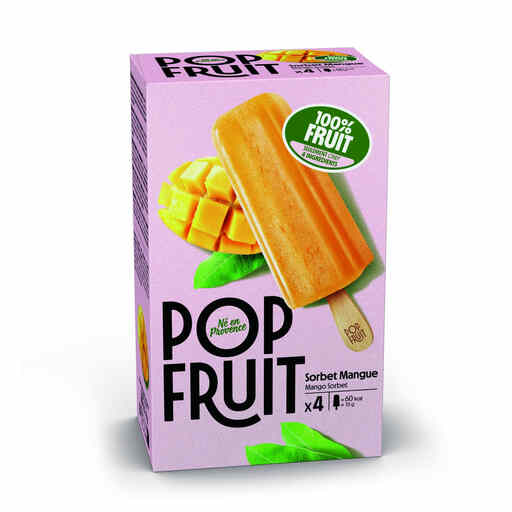
Why this choice suits this profile: The pack of four 70 g lollies lets you try a fruity mango sorbet without opening a large tub.
The recipe states 60% mango purée – a concrete benchmark that's far more telling than just a picture of the fruit on the packaging.
Individual format, 60 kcal per 70 g lolly according to the product sheet, and storage at −18 °C.
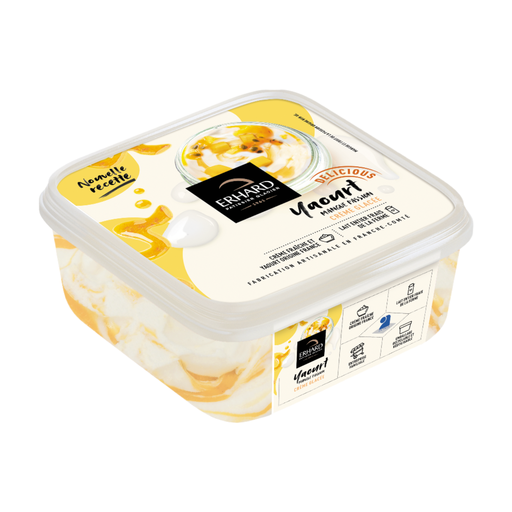
Why this choice suits this profile: This tub combines a yoghurt base with notes of mango and passion fruit, making it a dessert to serve after a meal.
The product sheet details the proportions: 3.7% mango purée, 2.2% passion fruit purée and 34% yoghurt.
450 g tub, creamy texture and clearly stated presence of milk, cream and egg yolk.
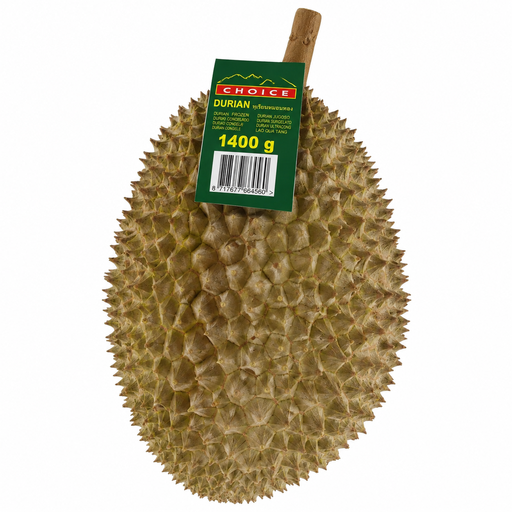
Why this choice suits this profile: The 1.4 kg bag is ideal for regular durian lovers, homemade preparations and catering professionals.
This is 100% Monthong durian pulp, not just a flavouring added to a frozen preparation.
Made from 100% durian, format suitable for recipes and storage at −18 °C.
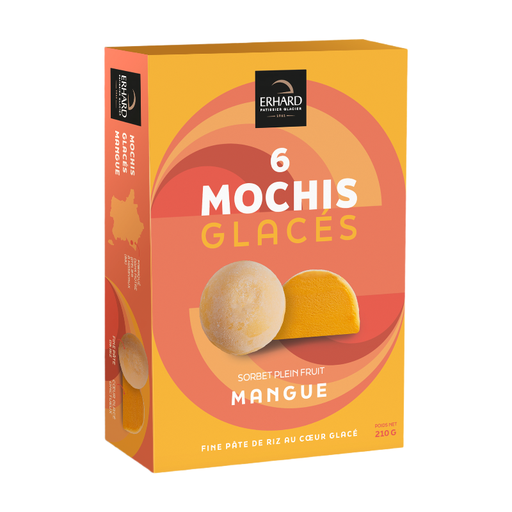
Why this choice suits this profile: The six pieces, each around 35 g, are easy to serve for a sweet treat or as part of a dessert selection.
The product sheet states 28% mango purée and recommends leaving the mochi at room temperature for two to three minutes to soften the rice dough.
Six portions, soft rice dough and a recipe described as dairy-free.
We've put together a comprehensive, regularly updated selection of products that meet these demanding criteria and European food safety standards.
Ice cream is usually based on milk or cream, sometimes enriched with egg. Sorbet is mainly made from water, sugar and fruit. To compare two products, look at the ingredients list, the fruit percentage and whether milk or cream is present.
Follow the date on the packaging and keep your freezer at −18 °C or below. After opening, reseal the container carefully to limit ice crystal formation. Never refreeze a thawed product.
No. Some mochi, particularly plant-based mango and passion fruit recipes, are made without milk. Others may contain dairy ingredients or traces. Check the relevant statement on each product's label, especially if you have an allergy or intolerance.