
Livraison le jour même ou le lendemain

Qualité garantie

Débloquez vos offres de bienvenue: Livraison GRATUITE | Jusqu'à -80 % | 30 jours d'essai gratuits à JoyPlus
Téléchargez l'application
Choosing a tropical drink seems simple… until you read the label. Between tropical fruit juices, nectars, flavoured drinks, concentrates and fruit purées, differences in composition and packaging have a direct impact on taste, price per litre and everyday use.
To avoid any unpleasant surprises, three common pitfalls are worth keeping in mind:
Start by checking the percentage of fruit purée, juice or concentrate. For example, MAAZA Tetra Mango Juice 1 L contains 17% mango purée, while MAAZA Lychee 1 L contains 18% lychee purée.
A mango juice or mango nectar may have a thicker or thinner texture depending on the recipe. A lychee drink will generally be lighter and more fragrant, while a mango purée intended for cocktails will provide more body. For use in cooking or mixology, also check the dilution instructions and how long the product can be kept after opening.
Claims such as ‘no preservatives’ or ‘natural origin’ should always be considered alongside the full ingredients list. In France and the European Union, the label must specify the ingredients, allergens where applicable, net quantity and best-before date.
To compare products accurately, use the same quantity—generally per 100 ml—rather than the total contents of the bottle. Among the products available, Maaza Mango Drink 500 ml contains 10.8 g of carbohydrate, including 10.8 g of sugars, per 100 ml. SAGIKO Pineapple Drink 320 ml contains 8.4 g of sugars per 100 ml, compared with 8 g for Capri-Sun Tropical Fruit Drink.
These figures cannot predict the taste, but they provide an objective basis for comparing recipes. Also remember to check the actual serving size: a 330 ml can contains more than three times the amount stated for 100 ml.
For occasional consumption, smaller formats are practical and reduce storage requirements after opening. 1 L bottles are suitable for breakfast, meals or serving several people. For an event, restaurant or bar, wholesale fruit juice and multipacks make stocking up easier, provided you have enough storage space.
Always check the storage instructions:
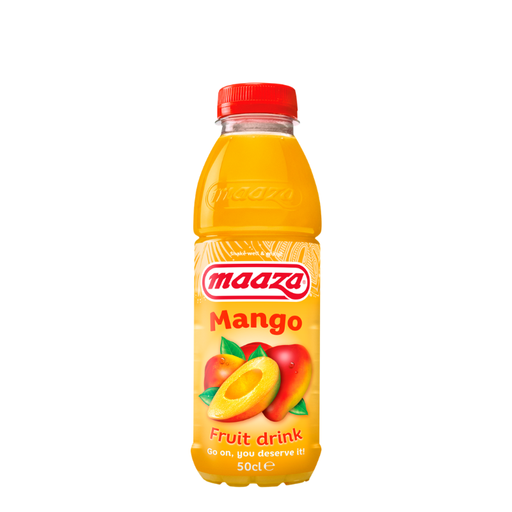
Why this choice suits this profile : Its individual format lets you try mango juice without immediately committing to a large pack.
The percentage of mango purée is shown in the ingredients, making it easy to compare this product with other mango drinks.
500 ml bottle, 17% mango purée and refrigeration required after opening.
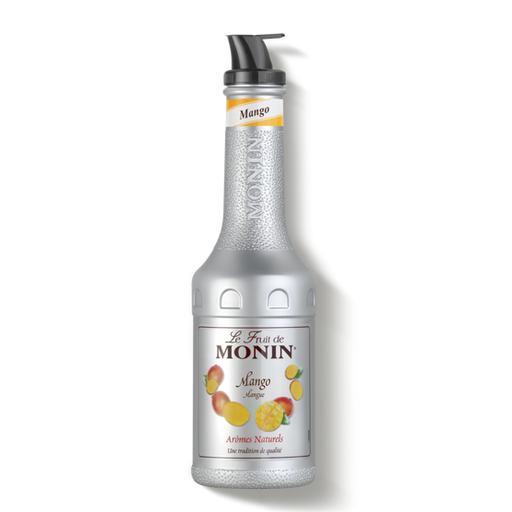
Why this choice suits this profile : Its texture is ideal for cocktails, smoothies, desserts and any recipe where you want the mango flavour to stand out.
This is a purée designed for recipes, not a ready-to-drink beverage : the difference in use is perfectly clear.
1 L format, stated equivalent of 50% mango purée and chilled storage after opening.
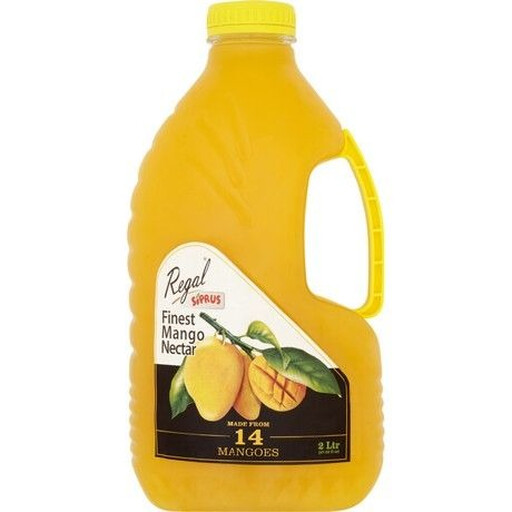
Why this choice suits this profile : The six-bottle pack of 2 L bottles meets the needs of large families, caterers, bars and events.
The total volume is clearly stated : you can calculate the price per litre and plan the required storage space before placing your order.
Six 2 L bottles made with mango pulp, suitable for serving chilled or preparing cocktails.
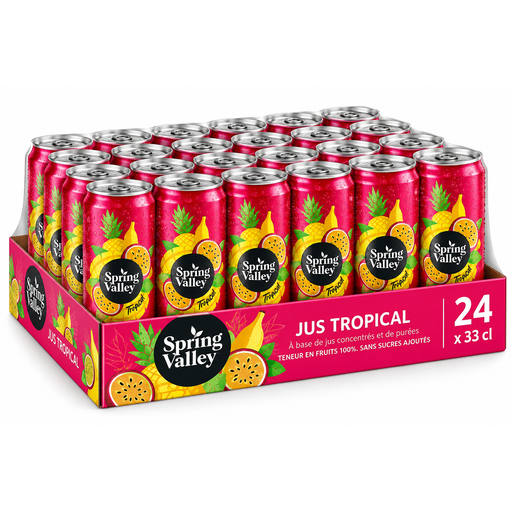
Why this choice suits this profile : Individual cans make serving simple at a picnic, reception or work break.
The ingredients list details the fruits included and their proportions, rather than relying on a vague description such as tropical drink.
24 x 330 ml cans, with a blend including apple, pineapple, orange, mango, passion fruit and guava.
Fans of Asian drinks can also consider TAS Lychee Drink in a 310 ml can, SAGIKO Pineapple Drink in a 320 ml can or Mogu Mogu Lychee, with its nata de coco pieces. In the latter case, the cubes require extra care around young children and anyone who may have difficulty swallowing.
For a more unusual flavour, Asian Choice Durian offers frozen Monthong durian pulp in a 1.4 kg bag. It is not a ready-to-drink beverage, but the pulp can be used to prepare smoothies, desserts or Asian recipes. You will simply need a freezer with enough space.
We have brought together a complete, real-time selection of products that meet these demanding criteria, while complying with European safety regulations.
The description depends on the composition and production method. Nectar generally contains fruit purée or juice mixed with water, and sometimes sugar. To compare products, check the mango percentage and the ingredients list.
The shelf life varies from one product to another. Many drinks should be refrigerated and consumed within two or three days. Concentrates and purées may have different storage requirements. If in doubt, follow the instructions on the packaging.
Start by estimating the number of people, the volume to be served and the storage space available. Cans and small cartons are practical for individual servings. 1 or 2 L bottles are better suited to sharing, while a multipack of fruit drinks or a wholesale fruit juice case helps reduce the need to restock during an event.