
Livraison le jour même ou le lendemain

Qualité garantie

Débloquez vos offres de bienvenue: Livraison GRATUITE | Jusqu'à -80 % | 30 jours d'essai gratuits à JoyPlus
Téléchargez l'application
An exotic fruit drink might bring to mind mango, lychee, pineapple, guava or even soursop. But between juices, nectars, flavoured drinks and cocktails with fruit pieces, the differences are far from trivial. A single can isn't chosen for the same reasons as a family pack or a catering-sized container.
Before placing an order, three pitfalls keep cropping up: taking the flavour on the label as an indication of the actual fruit content, underestimating the sugar level, and picking a format that doesn't suit your intended use. Here are the points to check when looking for tropical drinks that fit your budget, your habits and your storage space.
Terms like "mango", "lychee" or "tropical" can sometimes refer primarily to a flavour. The recipe may then combine water, sugar, fruit juice or purée, along with flavourings and acidity regulators.
To compare an exotic fruit juice, a nectar and a fruit drink, look at the ingredients list and the percentage of juice or purée. Tropico Original, for example, contains 7.5% juice from concentrate, of which 7% is orange and 0.5% pineapple. Maaza Mango, meanwhile, states 17% mango purée.
Cans of 20 to 33 cl are handy for lunch, a packed meal or an event. However, their price per litre can exceed that of a 1 or 2 litre bottle. For a family or a business, always compare the total net quantity, rather than just the price per carton.
A pack of 24 x 33 cl cans works well for regular serving. Conversely, a 2 litre bottle of mango nectar will be more suitable for a family meal or a buffet.
Drinks containing basil seeds or nata de coco have bits that need chewing. Gently shake the bottle before serving to distribute the ingredients evenly. For children and elderly people, pay close attention to the label and any warnings, especially when the drink contains cubes of nata de coco.
Joker Engagé multi-fruit juice, for example, combines juices and purées of apple, peach, banana, mango, carrot, lemon, pineapple and guava. Its product page states it's made with no added sugar, no colourings and no preservatives. That doesn't mean it contains no sugar at all: naturally occurring sugars are still counted in the nutritional values.
Start by comparing the values per 100 ml, then scale them up to the amount you'll actually consume. A 330 ml can represents more than three times the value shown per 100 ml.
As a guide, the products in this selection show noticeably different values:
These figures allow you to compare products on an objective basis. They don't predict the taste or the health impact of a drink.
For individual consumption, a 300 to 330 ml can limits waste after opening. A 1 litre bottle is good for sharing, provided it's kept in the fridge after opening, as per the packaging instructions. 2 litre formats and cartons of 20 to 24 units are designed more for families, parties, restaurants and wholesale.
Also remember to check the best-before date, the product's origin, the contact details of the responsible party established in the European Union, and the storage conditions. If there's a discrepancy between an online product page and the item you receive, the label on the delivered packaging takes precedence.
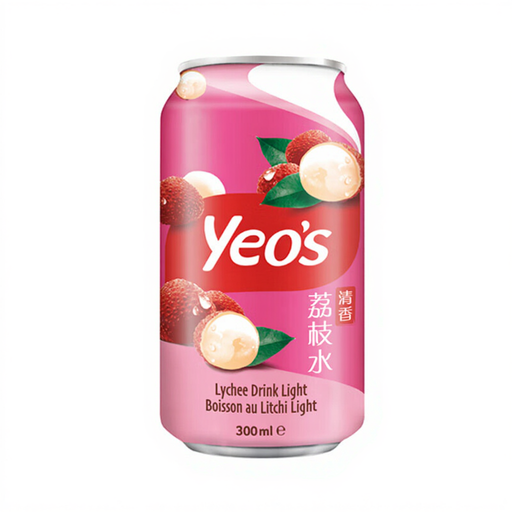
Why this choice suits this profile: Its individual 300 ml format lets you try a lychee drink without opening a large bottle.
The product page states it contains 2% lychee juice and details the nutritional values per 100 ml.
A ready-to-drink 300 ml can, with 20 kcal and 4.9 g of sugar per 100 ml according to the product page.
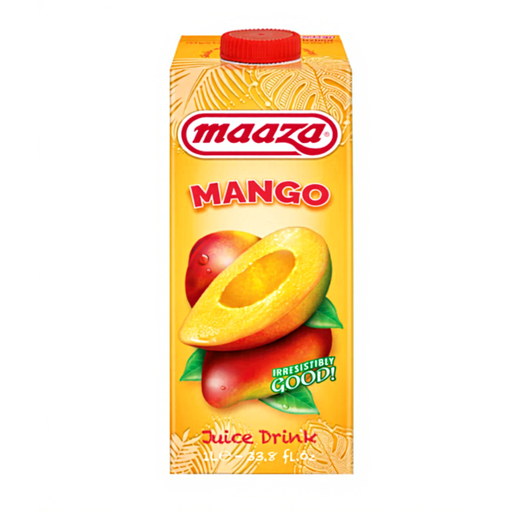
Why this choice suits this profile: Its 1 litre format and mango purée make it ideal for serving at the table or for a leisurely tasting session.
The product page states 17% mango purée – so this is far from a simple tropical flavour.
A 1 litre carton, mango purée clearly listed in the ingredients, and best served well chilled.
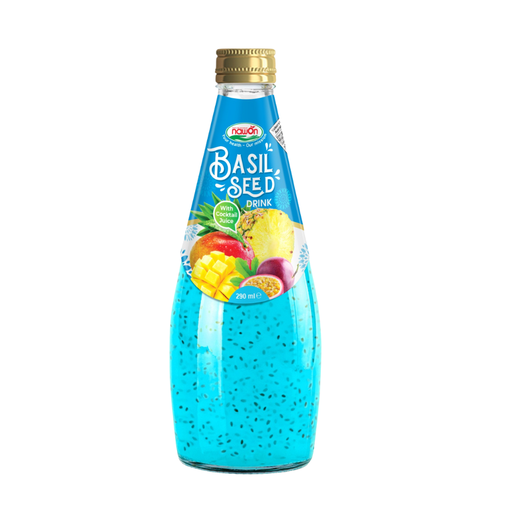
Why this choice suits this profile: Its texture with basil seeds and 290 ml format will appeal to fans of Asian drinks looking for something out of the ordinary.
The ingredients list details the proportions of pineapple, mango, passion fruit and apple juice, as well as the presence of 9% basil seeds.
An individual format, a multi-fruit blend and a clear instruction: shake before serving to distribute the seeds evenly.
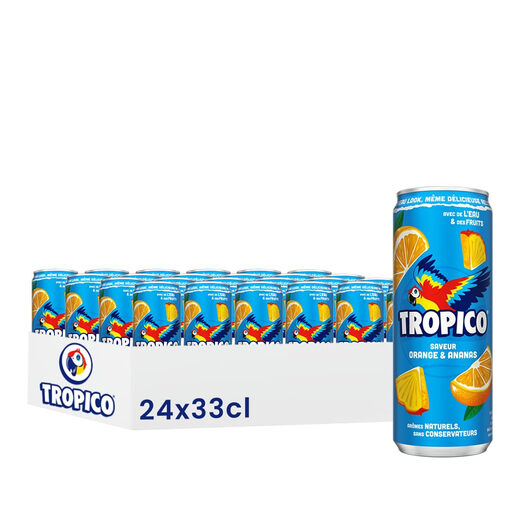
Why this choice suits this profile: The carton of 24 cans makes serving easy at a picnic, a reception or in a catering establishment.
The number of cans and the total volume of 7.92 litres are clearly stated, making it easy to calculate the cost per serving.
33 cl cans, a still drink and a recipe containing 7.5% juice from concentrate.
We've put together a comprehensive, real-time updated selection of products that meet these exacting criteria, as well as European safety regulations.
Juice and nectar don't have the same definition. Depending on its recipe, a nectar may contain fruit purée or juice, water and sugar. A juice from concentrate, on the other hand, is reconstituted from concentrate and water. Rely on the legal name, the ingredients list and the percentage of fruit, rather than just the packaging design.
It depends on the product. An individual can should generally be consumed straight after opening. A 1 or 2 litre bottle should usually be placed in the fridge and consumed within a few days. Always follow the instructions on the packaging first and foremost, and throw away any drink whose smell, appearance or container seems off.
For an event, go for individual formats that are easy to hand out, such as 33 cl cans or 20 to 50 cl bottles. Calculate the number of portions based on the total volume, check your storage capacity and arrange a cooling solution if the drinks need to be served chilled. To offer several flavours, you could, for example, combine a lychee drink, a pineapple juice, a guava juice and a multi-fruit tropical drink.