
Livraison le jour même ou le lendemain

Qualité garantie

Débloquez vos offres de bienvenue: Livraison GRATUITE | Jusqu'à -80 % | 30 jours d'essai gratuits à JoyPlus
Téléchargez l'application
A brightly coloured bottle doesn’t guarantee a high fruit content or a taste that’s true to fresh fruit. To choose exotic fruit drinks that work for everyday life in the UK, it’s worth taking a closer look at the ingredients, the format and the storage instructions.
Breakfast, mealtimes, a break at the office or a non-alcoholic gathering – your needs will differ depending on the occasion. A family-sized mango juice won’t meet the same requirements as a mango and passion fruit drink in an individual portion. Here are the key factors to check before you buy, along with a selection of products suited to different uses.
Terms like “tropical”, “exotic” or “mango flavour” can refer to a recipe made mostly from water, sugar and flavourings, with only a small amount of juice or purée. Ingredients are listed in descending order: if water comes first, it’s usually the main component.
So, compare the percentage of fruit. The MAAZA mango drink contains 17% mango purée, while the FOCO mango and passion fruit drink states 10% mango juice and 5% passion fruit juice. These figures give you a much better idea of the fruity intensity than the picture on the packaging.
A fruity drink can contain the natural sugars found in fruit, but also added sugar. As a guide, MAAZA Mango has 11.9g of sugar per 100ml, compared to 13g per 100ml for Rubicon Lychee Delu. A one-litre bottle therefore represents several servings – a large format doesn’t automatically mean moderate consumption.
To compare two exotic fruit drinks, check the “carbohydrates, of which sugars” line on the nutrition table, then work out the value based on the amount you actually pour into your glass.
Before opening, exotic drinks can often be stored at room temperature. Once opened, they usually need to go in the fridge. The shelf life varies between products: Rubicon Lychee Delu recommends drinking within three days, MAAZA Tropical Fruit within five days, and FOCO mango and passion fruit within 24 hours.
Drinks containing pieces, such as Queens Nata de Coco Mango, need extra care. The presence of coconut jelly means you should drink carefully, especially for children and older people, due to the choking risk mentioned on the product page.
Here are the main categories to look out for:
For breakfast, a one-litre bottle can work well for several people. On the go or for a break away from home, 320ml to 350ml formats are easier to carry and finish quickly after opening.
A large format helps reduce packaging, provided it suits the number of people drinking it. A one-litre bottle that’s opened and then forgotten in the fridge may lose its quality before it’s finished. On the other hand, a multipack of smaller bottles works well for shared meals, snacks and alcohol-free events.
Also think about the closure. A resealable bottle is handy at the office or during a journey, whereas a non-resealable individual pack will need to be drunk in one go.
Check for any added sugar, sweeteners, flavourings, stabilisers and acidity regulators. Passion fruit naturally brings a tangy note, while a mango and passion fruit recipe combines the sweetness of mango with a livelier taste. If you have any dietary requirements, always check the allergens and the information on the packaging at the time of purchase.
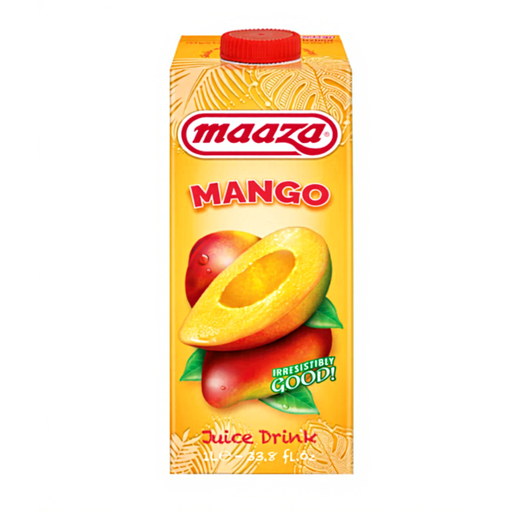
Why this suits this profile: its one-litre format is ideal for discovering mango at breakfast or during a shared meal.
The product page states 17% mango purée and provides the nutritional values per 100ml.
A family-sized format, a caffeine-free drink and storage at room temperature before opening.
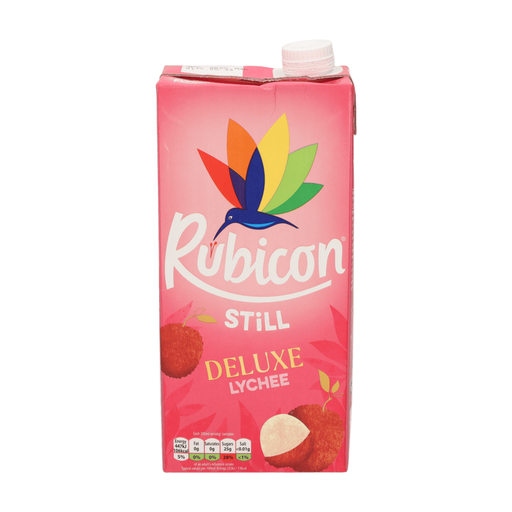
Why this suits this profile: its lychee flavour offers a change from the usual mango juice and fits perfectly at the table or at an alcohol-free gathering.
The ingredients list includes lychee purée and a sugar content of 13g per 100ml, making it easy to compare with other products.
A one-litre bottle, with no declared allergens, to be kept in the fridge after opening.
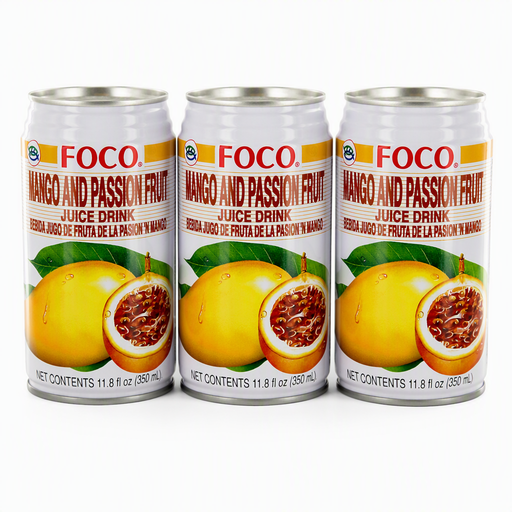
Why this suits this profile: the multipack of 350ml bottles works well for shared meals, breaks and on-the-go occasions.
The proportions are clearly stated: 10% mango juice and 5% passion fruit juice. Consumption is recommended within 24 hours of opening.
A convenient portion size, a recipe with no artificial colours or preservatives according to the description, and a recyclable bottle as stated by the manufacturer.
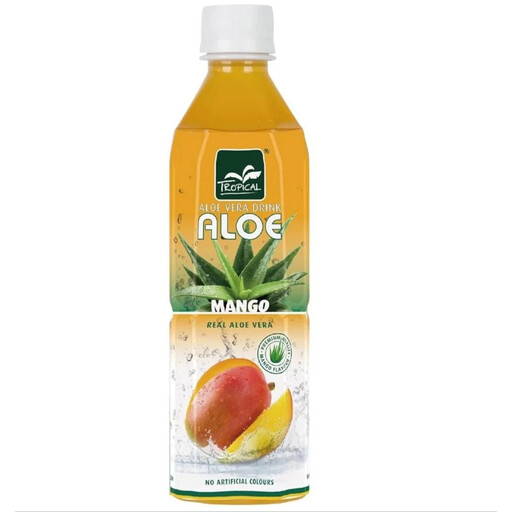
Why this suits this profile: this aloe vera drink combines the flavour of mango with a texture enriched with juice and pulp.
The product page specifies 20% aloe vera juice and pulp, along with a sugar content of 8.6g per 100ml.
A 500ml format, vitamin C listed in the ingredients, and storage in the fridge after opening.
We’ve put together a full, real-time selection of products that meet these demanding criteria and comply with European safety standards.
A one-litre format – whether it’s a mango juice, a lychee drink or a tropical fruit blend – works well when several people are helping themselves. Just check the shelf life after opening and make sure you have room in the fridge.
It depends on the recipe and how much you drink. The FOCO mango and passion fruit drink has 9.8g of sugar per 100ml, which works out at 34.3g for a 350ml bottle. Always check the label – values can vary depending on the product and the market it’s sold in.
Serve it well chilled, straight into a glass or with a few ice cubes. Recipes with mango, lychee, papaya or passion fruit also work well on a buffet. For safe storage, reseal the bottle and follow the instructions on the packaging.