
Livraison le jour même ou le lendemain

Qualité garantie

Débloquez vos offres de bienvenue: Livraison GRATUITE | Jusqu'à -80 % | 30 jours d'essai gratuits à JoyPlus
Téléchargez l'application
Choosing an exotic fruit drink isn't just about picking the most tempting flavour. Between fruit juices, fruit drinks, nectars and fruit-flavoured fizzy drinks, the differences can be significant. Whether you're looking for something to accompany a meal, take on a picnic or stock up for a party, it's worth looking beyond the name and the packaging.
Three common pitfalls in the aisles:
Start by looking at the category stated on the label. A fruit juice is made from pressed fruit or concentrated juice. A fruit drink, on the other hand, can contain a very variable proportion of juice, topped up with water, sugar, acidity regulators or flavourings.
For example, the PAW PATROL Tropical Drink contains 10% juice from concentrates, including apple, orange, pineapple, mango and passion fruit. Meanwhile, Oasis tropical drink contains 12% juice from concentrates. This information allows you to compare tropical drinks on a concrete basis, rather than relying solely on their name or packaging.
If you're after a particular flavour, also check the order of ingredients. A lychee drink, a mango drink or a pineapple drink can have a very pronounced taste while containing a relatively modest amount of fruit.
The nutritional information should be read per 100ml first. The differences can be considerable: YEO'S Lychee Drink contains 4.9g of sugar per 100ml, compared with 10.8g for Maaza Mango Drink. MOGU MOGU Blackcurrant & Nata de Coco has 13g of carbohydrates, including 13g of sugar, per 100ml.
Also be wary of the "no added sugar" claim, which does not mean "sugar-free". The naturally occurring sugars in fruit are still counted, as is the case with JOKER multi-fruit juices. To assess the price and ingredients, compare the price per litre, the total volume and the "of which sugars" line.
The packaging should match how you plan to consume the drink:
Texture can also make a difference. MOGU MOGU drinks contain pieces of nata de coco. This offers a very different experience from a classic juice, but these cubes can present a choking hazard, particularly for young children and the elderly. Always follow the safety instructions on the packaging.
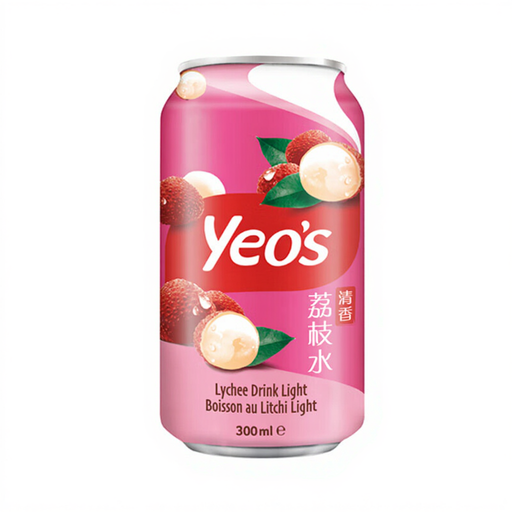
Why this choice suits this profile: At 300ml, this drink lets you discover lychee without being left with a large bottle to finish. It's best served chilled and works just as well with a meal as it does as a break-time treat.
The listing states 2% lychee juice and 4.9g of sugar per 100ml: two concrete figures to put the promise of a very fruity flavour into perspective.
An individual 300ml can, ready to drink, with a stated energy value of 20kcal per 100ml.
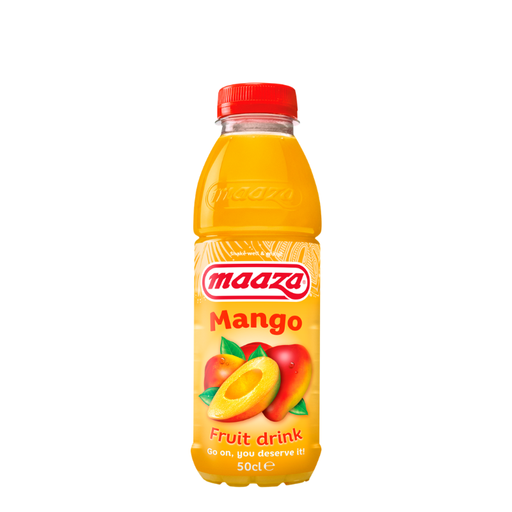
Why this choice suits this profile: Its smooth texture and stated 17% mango pulp content will appeal to those looking for a mango drink that's richer than a simple fruity fizzy drink.
The listing clearly separates the mango pulp, sugar and concentrated lemon juice, making the ingredients easier to understand.
A 500ml bottle, 17% mango pulp and refrigeration for three days after opening, according to the listing.
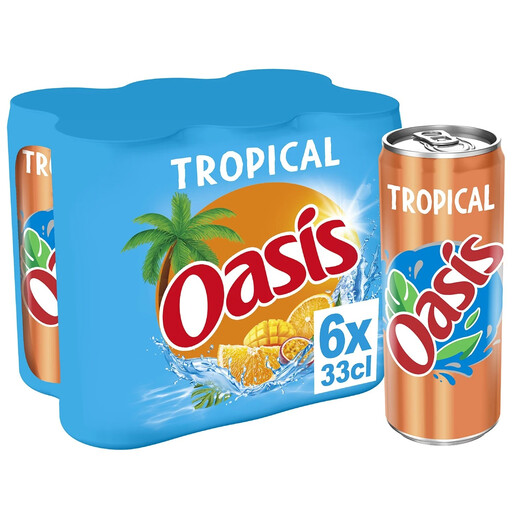
Why this choice suits this profile: This multipack of six 33cl cans is handy for lunches, outings, guests or simply keeping a stock of non-alcoholic drinks at home.
The total volume and juice content are clearly stated: 6 × 33cl and 12% juice from concentrates. So you know exactly what you're buying.
Six individual cans, 26kcal and 6g of sugar per 100ml, according to the information provided.
We've compiled a comprehensive, real-time selection of products that meet these exacting criteria as well as European safety regulations.
A fruit juice is made from fruit juice, possibly from concentrate. A fruit drink, on the other hand, may contain more water, sugar, flavourings or acidity regulators. The description and the list of ingredients will tell you the exact category of the product.
For one person, a 200ml to 330ml can avoids leftovers after opening. For several guests, a multipack of fruit drinks or large-format bottles will make serving easier. Remember to compare the total volume and the price per litre.
Follow the instructions on the label. In most cases, an opened bottle should be kept in the fridge and consumed quickly. Cans and bottles that are leaking, bulging, rusty or have an unusual smell should not be consumed.