
Livraison le jour même ou le lendemain

Qualité garantie

Débloquez vos offres de bienvenue: Livraison GRATUITE | Jusqu'à -80 % | 30 jours d'essai gratuits à JoyPlus
Téléchargez l'application
The exotic fruit drink aisle promises an instant tropical getaway. However, behind the colourful labels lies a jungle of terminology. Between a mango juice, a passion fruit nectar, or a guava-flavoured drink, it's easy to get lost and go home with a disappointing product. To avoid any letdowns, here are the common pitfalls to sidestep and the key criteria to check before filling your basket.
The most frequent traps include:
To navigate this overwhelming selection, three essential criteria will help you decode the labels and choose a refreshing drink that truly matches your expectations.
A product's name isn't just a marketing claim; it's governed by strict regulations that dictate a minimum fruit content.
Decoding this label is the first step to making an informed choice and avoiding unpleasant surprises.
The "no added sugar" claim guarantees that the manufacturer has not incorporated extra sugar (like sucrose or glucose-fructose syrup) beyond what is naturally present in the fruit. Be aware, this doesn't mean the drink is low in sugar! A mango nectar, even with no added sugar, is still rich in carbohydrates from the fruit purée.
To get a clear picture, your best bet is to check the nutritional information panel, specifically the "of which sugars" line. This indicates the total amount of sugar per 100ml, whether it's added or naturally occurring. If you're looking for a truly light drink, opt for those where water is the first ingredient and which contain sweeteners.
The mouthfeel is just as crucial. The texture of an exotic drink can radically change the tasting experience.
To help you navigate the options, here are a few recommended choices, categorised by different needs.
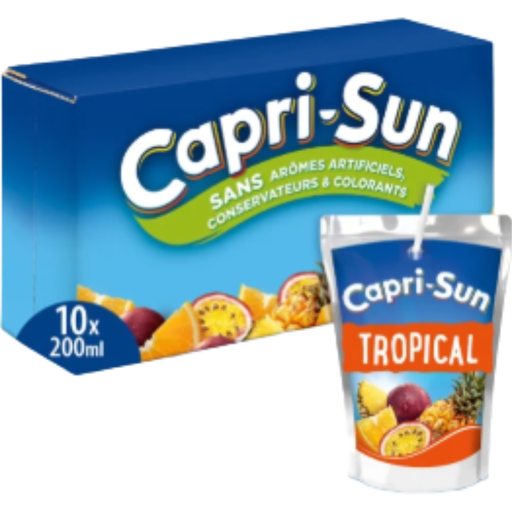
Why it's a great match: A timeless classic for kids' snacks and picnics, its 10-pouch pack is ultra-convenient to carry and share. The tropical flavour is a classic that generally appeals to younger tastes.
The product is clearly labelled as a "fruit drink" and not a juice, which is honest and consistent with its market position. The 200ml format helps control portion sizes.
Ultra-convenient on-the-go format; no artificial colours or preservatives; a crowd-pleasing flavour.
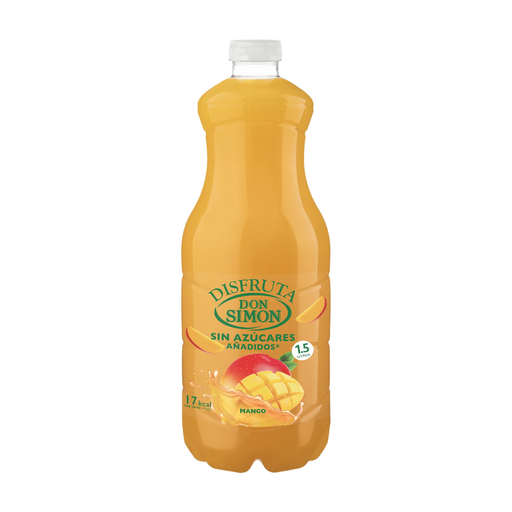
Why it's a great match: The perfect drink to enjoy the taste of mango without sending your calorie count soaring. A no-added-sugar juice option that lets you enjoy a guilt-free treat.
It tackles the sugar trap head-on. The "no added sugar" claim is justified by a very low calorie count (17 kcal/100ml), thanks to the use of a sweetener (sucralose).
Very low in calories; budget-friendly 1.5L family size; rich mango flavour despite the absence of sugar.
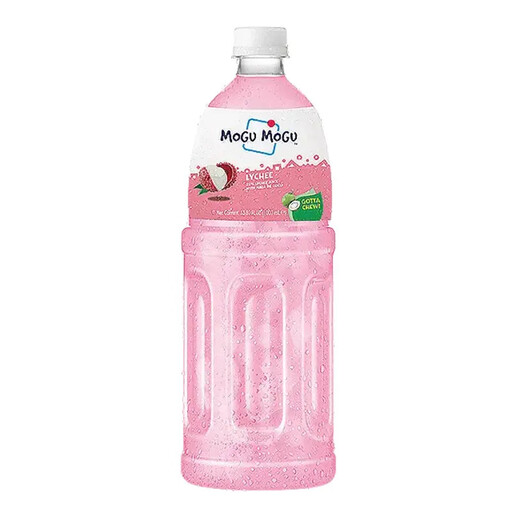
Why it's a great match: Ideal for those who want a drink that's out of the ordinary. The combination of lychee juice and chewy *nata de coco* cubes makes it a trendy beverage, perfect on its own or as a base for a unique non-alcoholic cocktail.
Here, the texture isn't a pitfall—it's the number one selling point for Mogu Mogu. You choose this product *specifically* for its bits of *nata de coco*.
Unique sensory experience (you drink and chew!); intense and recognisable lychee flavour; 1L format is ideal for sharing.
Explore our complete selection of drinks that meet all our quality criteria and current regulations.
A fruit juice (or "pure juice") is made of 100% fruit, with no added water or sugar. A fruit nectar contains a portion of juice or purée (from 25% to 50% minimum), to which water and, most often, sugar or sweeteners are added. Nectar is the chosen formula for fruits that are too pulpy or acidic to be consumed as pure juice.
Exotic fruit drinks are a perfect base for a non-alcoholic cocktail (or mocktail). For a quick and easy recipe, mix a passion fruit drink or mango juice with sparkling water, a few fresh mint leaves, and a mountain of ice. You can also combine several flavours, like pineapple-coconut, for an even more tropical result.
Once opened, a bottle of fruit drink (juice or nectar) must be stored in the refrigerator. It is recommended to consume it within 3 to 5 days to preserve its freshness and flavour. In any case, always refer to the specific instructions on the packaging.