
Livraison le jour même ou le lendemain

Qualité garantie

Débloquez vos offres de bienvenue: Livraison GRATUITE | Jusqu'à -80 % | 30 jours d'essai gratuits à JoyPlus
Téléchargez l'application
As warmer weather arrives, nothing beats a refreshing exotic fruit drink for a revitalising break. Mango, pineapple, coconut, passion fruit... these are flavours that instantly transport you to the tropics. The problem? Supermarket shelves are overflowing with products that often have misleading names. Between nectars, juices, and "fruit-based beverages," it's easy to get lost and walk away with a product that meets neither your expectations nor your budget.
Before you fill your cart, here are the common pitfalls to avoid so you don't spoil your tasting experience:
This guide is here to help you see things more clearly and choose the refreshing non-alcoholic drink that's right for you.
To avoid unpleasant surprises, a quick glance at the label is all it takes. Here are the three essential points to decode.
The name is regulated and is the most reliable indicator of the product's nature.
For anyone watching their sugar intake, decoding the ingredient list and nutritional panel is an essential habit.
The packaging should, of course, match your needs.
Here are a few recommendations for different profiles, taking into account the criteria we've just discussed.

Why we chose it: This nectar ticks all the boxes for families looking for a daily fruit drink. Its large 1.5 L format is economical, and its no-added-sugar formula is a real bonus for regular consumption by both kids and adults. The peach, orange, and pineapple blend is a crowd-pleaser that everyone enjoys.
The label is crystal clear: it's a "nectar" and has "no added sugars." It doesn't pretend to be a pure juice and is upfront about using a sweetener for a low-calorie result. There's no room for confusion.
A very low calorie count (20 kcal/100 ml) for a fruity nectar, all in a practical and economical family-size format.
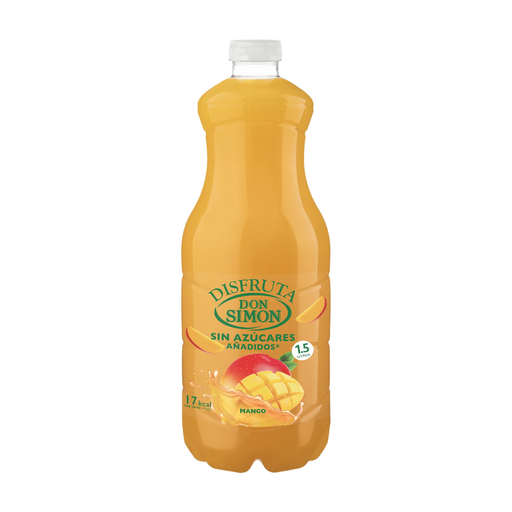
Why we chose it: For those who want the pleasure of a mango juice without the calories, this nectar is an excellent alternative. It offers the exotic taste and sweetness of mango with minimal calories. It's the ultimate guilt-free treat, perfect for sipping without a second thought.
It solves the "no added sugar" vs. "low-calorie" dilemma by checking both boxes. The transparency about using a sweetener (E955) allows you to make an informed choice.
An intense mango flavour and pleasant sweetness for only 17 kcal/100 ml. A way to treat yourself without any of the guilt.
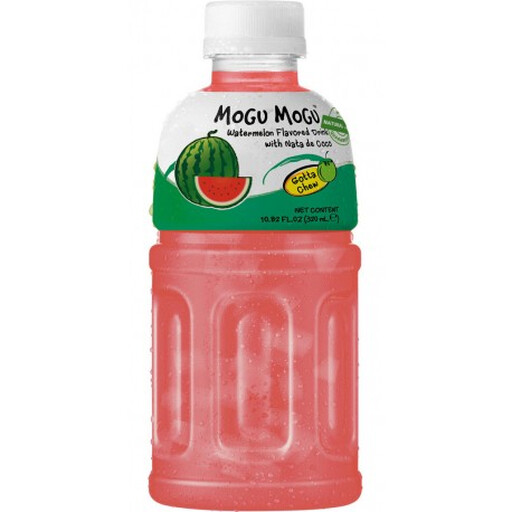
Why we chose it: For the younger crowd and anyone who loves an out-of-the-ordinary experience, Mogu Mogu is much more than just a drink. The addition of chewy nata de coco pieces (a type of coconut jelly) creates a fun and truly unique texture. Its 320 ml format is perfect for taking it anywhere.
This product doesn't present itself as a health drink, but as a unique, fun beverage. Its main appeal is the sensory experience (taste and texture), and that's clearly what's highlighted.
A dual experience, both a drink and a "snack," thanks to the chewy nata de coco pieces. It's the ultimate fun and quirky summer drink.
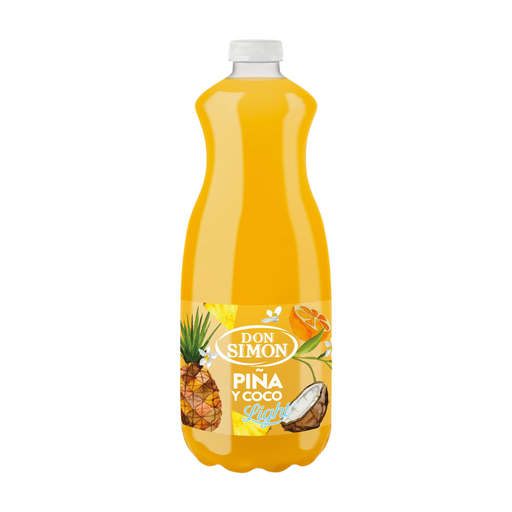
Why we chose it: The pineapple-coconut combination is the foundation of most tropical cocktails. This drink is an excellent ready-to-use base for creating a Pi?a Colada-style non-alcoholic cocktail in an instant. Just add crushed ice and a slice of pineapple for a festive and immediate result.
Clearly identified as a "drink," it sets no false expectations. Its recipe is designed for a balanced and refreshing taste, making it a prime ingredient for all your mixes.
A classic and well-balanced pineapple coconut drink flavour, perfect for non-alcoholic mixology (or *mocktails*). The 1.5 L format is ideal for parties.
We have put together a complete selection of products that meet these quality criteria and current regulations.
A fruit juice (pure or from concentrate) is made of 100% fruit, with no added water or sugar. A fruit nectar, on the other hand, is a blend of fruit purée or juice (with a minimum content of 25% to 50%), water, and, most often, sugar or sweeteners. Nectar is the solution for making fruits that are too thick or acidic to be consumed as pure juice drinkable.
Once the bottle is opened, it is essential to keep it refrigerated and consume it within 3 to 4 days to guarantee its freshness and taste. Remember to close the cap tightly after each use.
Absolutely. Fruit nectars and drinks, with their balanced and often pre-sweetened flavours, are ideal bases for a non-alcoholic cocktail (or mocktail). Flavours like pineapple-coconut, mango, or passion fruit pair wonderfully with sparkling water, other juices, or syrups to create festive and ultra-refreshing drinks.