
Livraison le jour même ou le lendemain

Qualité garantie

Débloquez vos offres de bienvenue: Livraison GRATUITE | Jusqu'à -80 % | 30 jours d'essai gratuits à JoyPlus
Téléchargez l'application
The promise of an exotic fruit drink is simple: one sip, and you're transported to a sandy beach under a scorching sun. But once you're in the juice aisle, that dream can quickly turn into a headache. Faced with a jungle of complex labels and marketing promises, it's hard to know what to choose. Whether it's an exotic fruit nectar, a pure juice, or a light drink, disappointment is often just around the corner, both in terms of taste and ingredients.
To help you make the right choice, here are the most common pitfalls to avoid before you fill your basket:
This guide is here to give you the keys to decode this vast selection and finally choose the drink that's truly right for you.
To make the right choice, you only need to check three key elements on the packaging to know what you're really getting.
The product's name is the first clue to its quality. European regulations are strict on this matter:
A quick read of the ingredient list, which is ordered by weight, is very revealing. If water and sugar appear before the fruit, you're dealing with a non-alcoholic soft drink rather than a real fruit juice.
Also, pay close attention to the "of which sugars" line in the nutritional table. It indicates the total amount of sugar per 100 ml, whether it's added or naturally present.
The format should also be chosen based on its intended use. A large-format 1.5L juice bottle will be more economical and practical for daily family consumption. For on-the-go enjoyment or to try a new flavour, individual 320 ml or 500 ml formats are more suitable.
Finally, if you're looking for a base for a non-alcoholic cocktail (mocktail), a mango nectar or a pineapple and coconut drink will provide a rich and flavourful aromatic base, while drinks with texture, like a drink with fruit pieces, will add a touch of originality.
To put theory into practice, we've selected a few products that perfectly illustrate these different scenarios.
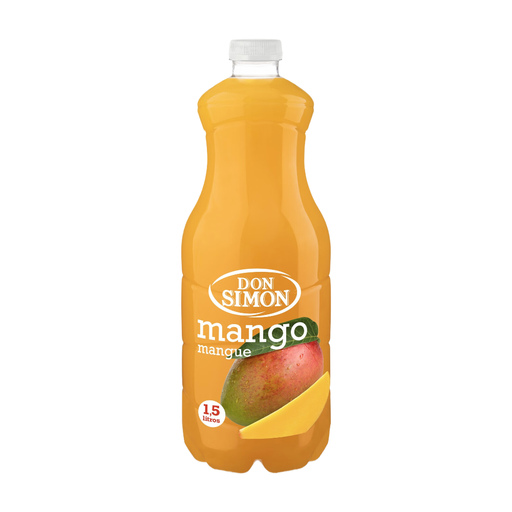
Why we chose it ? This large-format mango nectar is a budget-friendly and crowd-pleasing option for breakfast or a snack. Its sweet and smooth mango juice flavour is a classic that is sure to please everyone.
The label clearly states "Nectar" and a content of 35% mango puree. There's no confusion: you know you're buying a flavourful fruit-based drink, not a pure juice.
The large-format 1.5L juice bottle offers excellent value for money for regular consumption.
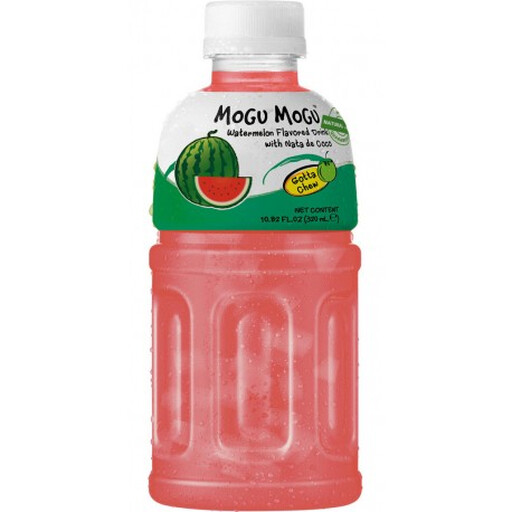
Why we chose it ? Perfect for those looking for a fun and original drinking experience. The mix of a fruity drink and chewy coconut jelly pieces is both refreshing and surprising.
This product doesn't present itself as a fruit juice. Its positioning is based on the unique texture of nata de coco, which is clearly highlighted. The promise is therefore clear and unambiguous.
It's a drink with fruit pieces that offers a dual sensation: drinking and chewing. The 320 ml format is ideal for on-the-go consumption.
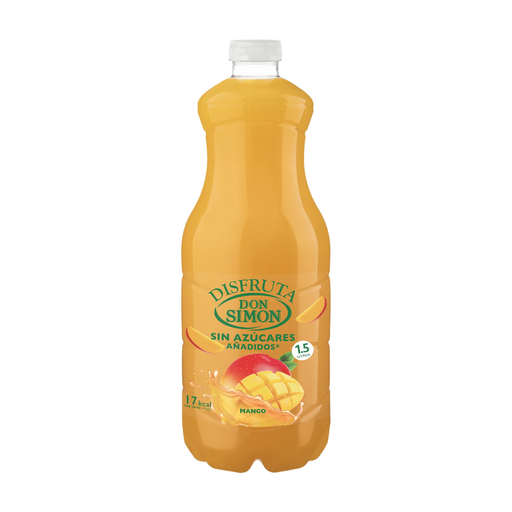
Why we chose it ? For those who want to enjoy the taste of tropical fruits without compromising their nutritional goals. This drink offers an intense mango flavour with a very low calorie count.
It avoids the classic sugar trap. The "No Added Sugar" claim is paired with a very low calorie value (17 kcal/100 ml) thanks to the use of sweeteners, which is clearly stated.
It's an excellent balance of indulgence and lightness. The large 1.5L format makes it practical for family consumption where sugar intake is being managed.
Explore our full selection of drinks that meet these quality standards.
A fruit juice (pure juice or from concentrate) is made of 100% fruit, with no added water or sugar. An exotic fruit nectar, on the other hand, contains a minimum percentage of fruit puree or juice (usually 25% to 50%), supplemented with water and, most often, sugar or sweeteners. Nectar is often the only viable option for fruits like banana or mango, whose pure juice would be too thick to drink.
Once opened, a large-format juice bottle should be kept in the refrigerator with the cap tightly closed. It is advisable to consume it within 3 to 4 days to preserve its freshness and taste. In any case, refer to the storage instructions on the packaging.
Absolutely. A passion fruit nectar or a pineapple and coconut drink are excellent bases for non-alcoholic cocktails (mocktails). Their rich and sweet flavour profile pairs wonderfully with sparkling water, other juices (lime, orange, etc.), and fresh garnishes like mint leaves or fruit pieces. It's a simple way to create a festive and refreshing drink.