
Livraison le jour même ou le lendemain

Qualité garantie

Débloquez vos offres de bienvenue: Livraison GRATUITE | Jusqu'à -80 % | 30 jours d'essai gratuits à JoyPlus
Téléchargez l'application
An exotic fruit drink promises an instant sensory getaway. Mango, passion fruit, guava... these flavours evoke sunshine, holidays, and relaxation. Yet, once you're in the supermarket aisle, the dream can turn into a headache when faced with a maze of confusing labels and marketing promises. It's easy to end up with a product that's too sweet, disappointing, or contains almost none of the fruit you were hoping for.
Before you fill your cart, it's best to know the most common pitfalls. This will help you avoid disappointment and choose a refreshing drink that truly delivers on its promises.
Knowing how to decode this information will allow you to make an informed purchase.
To see things more clearly, here are the essential criteria to look for when judging the quality and nature of a drink.
Your first instinct in the aisle should be to turn the bottle around and check the fruit percentage. This mandatory information is found in the list of ingredients.
The list of ingredients is always arranged in descending order of quantity. If sugar (sucrose, fructose syrup, etc.) appears before the fruit, you're likely holding more of a liquid candy than a real tropical fruit juice.
For those watching their sugar intake, no added sugar options, like some ranges from Don Simon, are an interesting avenue. They use sweeteners (like sucralose) to maintain a sweet taste while drastically reducing the calorie count. Always check the "of which sugars" line on the nutritional table: it indicates the total amount of sugar, whether natural or added.
An authentic taste comes from fruit purée or juice. The mere mention of the term "flavourings" (natural or not) is often a sign that the taste has been artificially enhanced, especially if the fruit percentage is low. A quality passion fruit drink will list "passion fruit juice" or "passion fruit purée" at the top of the list.
To illustrate these criteria, here are a few products that meet different consumer needs and profiles.
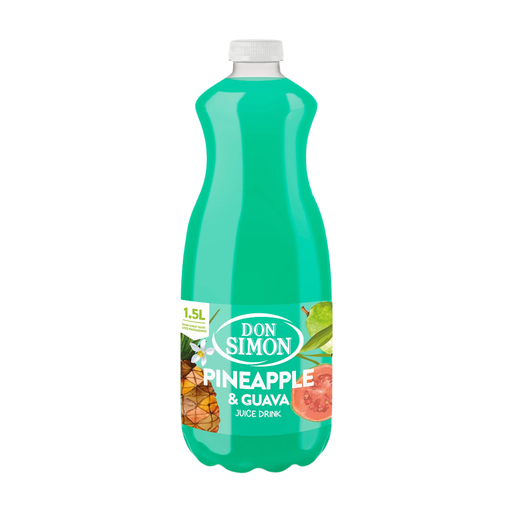
Why it's a great choice: Its large 1.5L format is perfect for families, being both economical and practical. The smooth and crowd-pleasing guava-pineapple blend appeals to both kids and adults for a refreshing daily drink or to accompany a meal.
The label is transparent: this is indeed a "fruit drink." It clearly states the percentages of juice and purée, which avoids any confusion with a pure juice and lets you know exactly what you're buying.
Excellent value for money. A balanced and very thirst-quenching taste, perfect when served chilled.
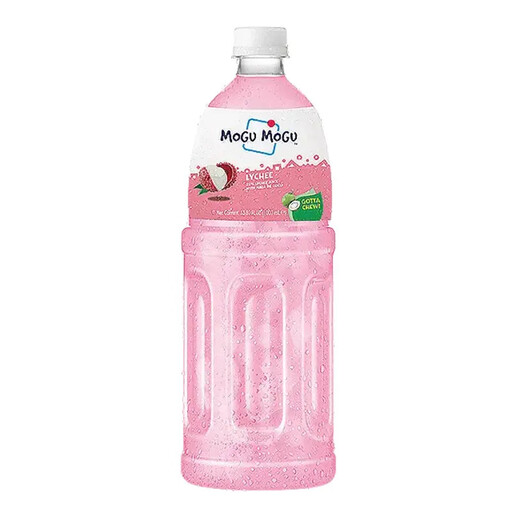
Why it's a great choice: Much more than just a drink, Mogu Mogu is a true experience. Its pieces of nata de coco (a chewy coconut jelly) add a fun texture that particularly appeals to teens and young adults.
This product doesn't pretend to be something it's not. Its selling point isn't the fruit content, but the "drink and chew" experience. The nata de coco is the main attraction, giving it an honest and original positioning.
Unique and fun texture. A distinct and very refreshing lychee flavour. Available in a large format or individual bottles.
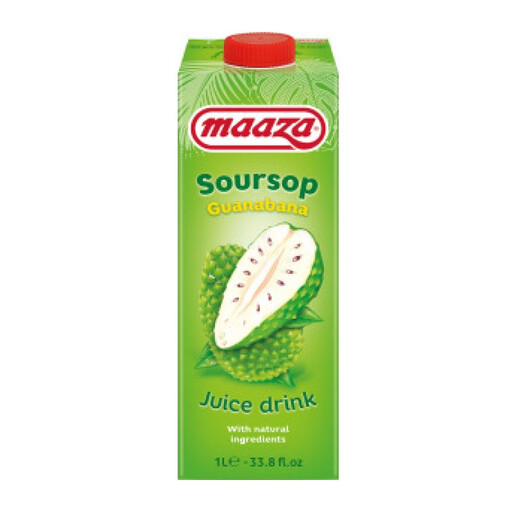
Why it's a great choice: Perfect for flavour explorers who avoid the beaten path. The soursop reveals a complex taste that is both sweet and tangy. This nectar stands out for its high fruit content.
With 18% soursop puree, this nectar doesn't fall into the "flavourings" trap and offers a very honest fruit base. The purée comes right after water in the ingredients list, a guarantee that the taste truly comes from the fruit.
Notable fruit content for a nectar. Original and authentic flavour. Contains vitamin C and fibre, according to the manufacturer's information.
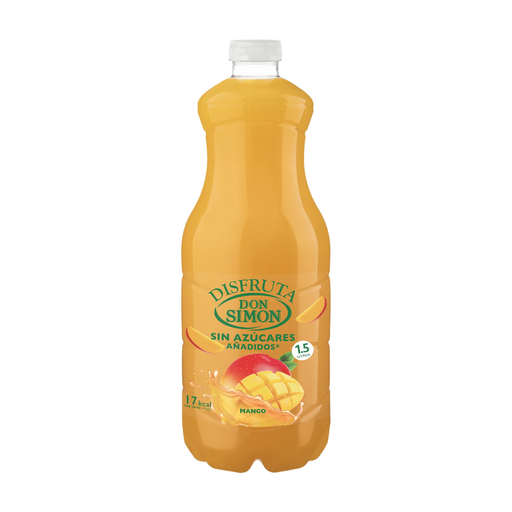
Why it's a great choice: Designed for those who want to enjoy an exotic treat without sending the calorie count soaring. It combines the great taste of mango with a very low energy intake, making it the perfect partner for a light, indulgent break.
This drink directly addresses the "deceptively light" trap. The "no added sugar" claim is justified by the use of a sweetener (sucralose), and the nutritional information confirms a very low calorie count (17 kcal / 100 ml).
Very low in calories. Allows you to enjoy a mango nectar without the usual sugar load. Large, practical, and economical format.
Explore our full selection of drinks that meet our quality criteria and current regulations.
A fruit juice is, by definition, made of 100% fruit, whether obtained by direct pressing or from rehydrated concentrated juice. A nectar is made from fruit purée or juice (with a legal minimum of 25% to 50% depending on the fruit), to which water and, most often, sugar or sweeteners are added. Nectars are the standard for very pulpy or acidic fruits (mango, apricot, banana) that would be too thick or intense to be drunk as pure juice.
Once the bottle or carton is opened, it is essential to store it in the refrigerator. Most manufacturers recommend consuming the product within 3 to 5 days to guarantee its freshness and taste. Always rely on the instructions on the packaging.
Of course! Tropical fruit nectars and drinks are excellent bases for cocktails, with or without alcohol. A mango or passion fruit nectar pairs wonderfully with rum for a new take on the pi?a colada, or simply with sparkling water and a slice of lime for a most refreshing mocktail.