
Livraison le jour même ou le lendemain

Qualité garantie

Débloquez vos offres de bienvenue: Livraison GRATUITE | Jusqu'à -80 % | 30 jours d'essai gratuits à JoyPlus
Téléchargez l'application
An exotic fruit drink can evoke mango, passion fruit, lychee, pineapple or banana. Yet two bottles with a similar aroma can have very different ingredients, fruit content and price per litre. For British families, the choice is about more than just a pretty tropical picture.
Here are the main pitfalls to avoid before buying a tropical fruit juice, a fruity drink or a multipack for meals, picnics and events.
The word "fruit" on the packaging doesn't guarantee a high proportion of juice or purée. A drink can contain water, sugar, flavourings and a variable amount of fruit concentrate.
To compare products properly, check:
A no-added-sugar multi-fruit juice can still contain the sugars naturally present in the fruit. It is therefore not a sugar-free drink.
A pack of 24 cans might seem economical, but you need to compare the price against the total volume. Look at the price per litre, then consider the format: a 33cl can, a 500ml individual bottle and a 1.5L family bottle all serve different purposes.
Multipack drinks are great for parties, large families and stocking up. However, they take up more space and are less convenient for occasional consumption.
A mango-banana drink or a passion fruit-maracuja juice can taste very fruity while still containing added sugar. The nutritional values per 100ml allow you to compare different products on a like-for-like basis.
To get to the essentials, look at:
The ingredients list is presented in descending order by quantity. If water and sugar appear before the fruit, it's generally more of a fruit-flavoured drink than a juice rich in fruit.
For example, JOKER No Added Sugar Mixed Fruit Juice 1.5L combines apple, orange, pineapple and passion fruit juices, with no added sugar according to its product page. Hui yuan Orange Juice 1L lists only water and concentrated orange juice in its ingredients. These formulations may appeal to shoppers who want to limit added ingredients. However, keep in mind that the sugars naturally present in the fruit are still counted.
For breakfast or a family meal, a one-litre bottle or larger helps reduce individual packaging. For outings, lunchboxes or events, smaller formats are easier to hand out.
Once opened, follow the storage instructions on the packaging. Many products need to be refrigerated and consumed within a few days.
A drink with no added sugar isn't automatically sugar-free. Always compare the "of which sugars" line, rather than relying solely on the marketing claim on the front.
Stabilisers, acidity regulators, flavourings and preservatives aren't necessarily a sign of poor quality. However, their presence may matter to people who prefer a short ingredients list. The product page and the label you receive are the reference documents to check before consumption.
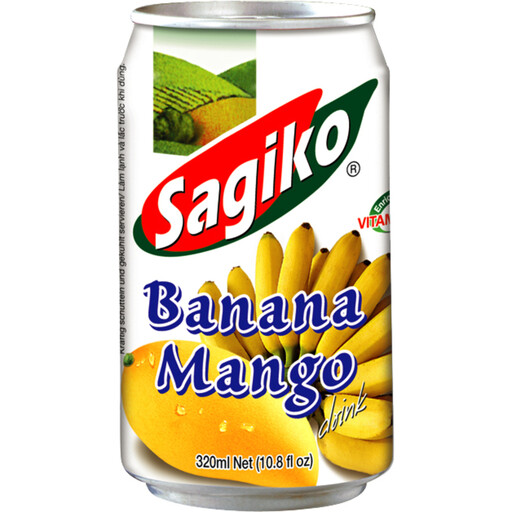
Why this choice suits this profile: At 320ml, this mango-banana drink lets you try the product without committing to a larger size straight away. It works well for a snack, a meal on the go or a refreshing break.
The product page distinguishes mango purée from banana purée and states 8.4g of sugars per 100ml. This means you can assess the sweetness profile before ordering.
A mango-banana duo, a 320ml size and no declared allergens on the product page provided.
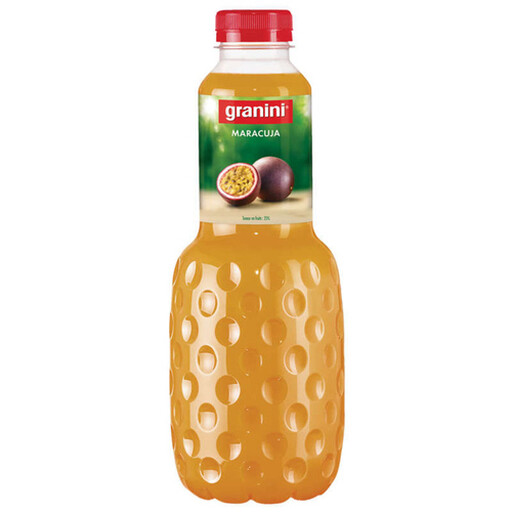
Why this choice suits this profile: This one-litre format is aimed at lovers of tangy flavours and passion fruit, to be served well chilled at the table or used as a base for a non-alcoholic drink.
The ingredients list details passion fruit juice from concentrate, sugar and other ingredients. The stated content is 12g of sugars per 100ml.
A clearly stated passion fruit-maracuja flavour, a 1L bottle and a recipe containing pectin, citric acid and vanilla extract, as shown on the product page.
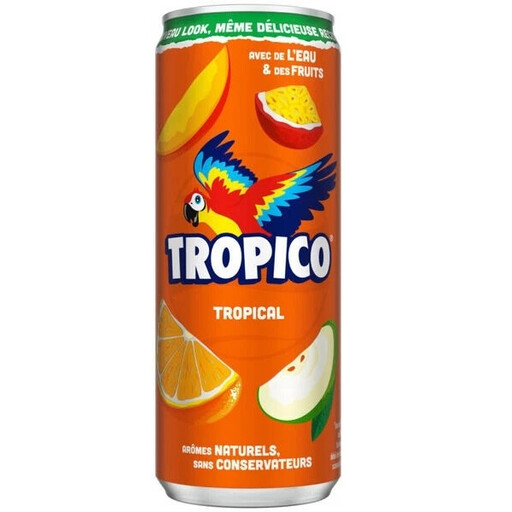
Why this choice suits this profile: With 24 cans of 33cl each, this pack is designed for gatherings, family events, picnics or households that want to stock up.
The total volume is clearly stated: 7.92L. The product page also specifies that the drink contains 7.5% juice from concentrate and 10g of sugars per 100ml.
A 24 × 33cl format, an orange-pineapple combination and manufacture stated as France on the product page.
We've put together a comprehensive, real-time updated list of products that meet these demanding selection criteria and European safety regulations.
A 1L to 2L bottle is practical for serving at the table, while a multipack of smaller formats makes it easier to hand out for snacks or outings. Before choosing based on volume, compare the price per litre and the sugar content.
Yes. Fruits naturally contain sugars. The "no added sugar" claim means no sugar has been added to the recipe, but you should always check the "of which sugars" nutritional line.
Follow the instructions on the packaging. In practice, an opened bottle should usually be placed in the fridge and consumed quickly. Individual cans, on the other hand, are best drunk straight after opening.