
Livraison le jour même ou le lendemain

Qualité garantie

Débloquez vos offres de bienvenue: Livraison GRATUITE | Jusqu'à -80 % | 30 jours d'essai gratuits à JoyPlus
Téléchargez l'application
The allure of exotic fruits is irresistible: a single sip of an exotic fruit drink is enough to transport us to the tropics, to sun-drenched landscapes and faraway flavours. Yet, once you're in the fruit juice aisle, the dream can turn into a headache. Between confusing labels and marketing promises, it's hard to know what you're buying. Mango nectar, tropical fruit juice, pineapple-coconut drink… It's easy to feel lost and leave with a product that ultimately doesn't live up to its promise.
To avoid falling into the trap, here are the most common pitfalls to watch out for before filling your basket:
Knowing how to decipher labels is therefore the key to making an informed choice and finally enjoying the drink you truly wanted.
To avoid making the wrong choice again, focus on a few key points that define the true nature of your drink.
The product's name is regulated and is the first, most reliable clue as to what you're holding.
This is your best ally for unmasking false claims. Ingredients are always listed in descending order by weight. If sugar (or glucose-fructose syrup) appears at the top of the list, before the fruit, steer clear! The drink will inevitably be very sweet.
For a refreshing sugar-free drink, look for the presence of sweeteners (sucralose, stevia...). Also, take a look at the nutritional information panel to find out the total amount of sugar (natural and added) and the calorie content per 100ml.
The packaging also matters, depending on how you plan to use it:
To help you see more clearly, we've selected products that meet specific needs and avoid the common traps.
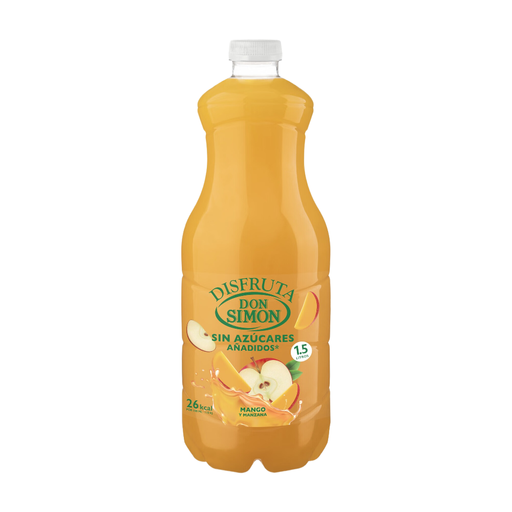
Why we chose it: This large-format nectar is perfect for family gatherings. The mango-apple blend offers a sweet and balanced flavour that appeals to both kids and adults, and the absence of added sugar makes it a healthier option for regular consumption.
It avoids the 'fake fruit' trap by clearly stating its fruit content (25% mango, 25% apple) and embracing its status as a 'no added sugar' nectar, containing only the natural sugars from the fruit.
A controlled calorie count (26 kcal/100ml) for a delicious drink, all in an economical 1.5L format.
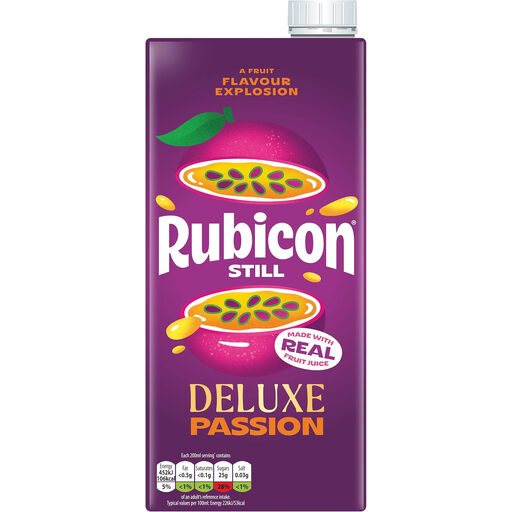
Why we chose it: For those seeking the unique, tangy taste of passion fruit, this drink from Rubicon is a benchmark. It focuses on an intense and instantly recognisable flavour, perfect for enjoying on its own or for adding a twist to desserts.
No false pretences: it doesn't hide behind a diluted fruit blend. The passion fruit flavour is front and centre, and its composition (13% juice from concentrate) is transparently that of a nectar-style drink.
A rich and bold flavour profile that stands out from more conventional multi-fruit juices. The carton format is convenient for storage.
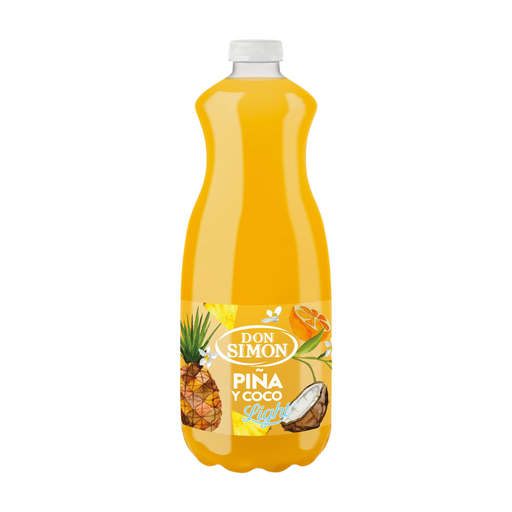
Why we chose it: The pineapple-coconut combination is a timeless classic for cocktails and mocktails. This large-format pineapple-coconut drink is a perfect, budget-friendly base for making batches of Pi?a Coladas or refreshing drinks for your guests.
It's clearly labelled as a 'drink', not a nectar or juice. Its purpose is to refresh and serve as a mixer, a mission it accomplishes perfectly with its simple recipe and pleasant taste.
Very low in calories (18 kcal/100ml), it's a light base that won't overload your cocktails with sugar.
Discover our full selection of products that meet our quality criteria and current regulations.
A fruit juice (pure juice or from concentrate) is made of 100% fruit, with no added water or sugar. A nectar, on the other hand, is a mixture of fruit purée or juice (from 25% to 50% minimum), water, and, most often, sugar or sweeteners. Nectar is the go-to option when fruits are too pulpy or acidic to be consumed as pure juice.
Once opened, any fruit drink (juice, nectar, or other) must be stored in the refrigerator. It is recommended to consume it within 3 to 5 days to preserve its taste and prevent spoilage. Always refer to the specific instructions on the packaging.
Not necessarily. The "no added sugar" claim simply means the manufacturer has not added sugar (sucrose, glucose syrup, etc.) to the recipe. However, the drink still contains the sugars naturally present in the fruit. A no-added-sugar mango nectar, for example, can still be quite high in calories due to the fruit's natural sugar. To make the right choice, the best approach is always to check the nutritional information panel.