
Livraison le jour même ou le lendemain

Qualité garantie

Débloquez vos offres de bienvenue: Livraison GRATUITE | Jusqu'à -80 % | 30 jours d'essai gratuits à JoyPlus
Téléchargez l'application
Craving a getaway? An exotic fruit drink often promises an instant trip for your taste buds. Mango, passion fruit, lychee... these flavours transport us to the tropics. However, the drinks aisle can quickly become a jungle of complex labels and marketing promises. The lines between an exotic fruit nectar and a tropical fruit juice can be blurry, often leading to disappointing choices.
Before you fill your basket, let's decode the most common traps hiding behind those colourful packages:
Knowing how to read these labels is the key to finding the refreshing exotic drink that will truly meet your expectations.
To navigate the options with confidence, focus on two or three key factors that define the quality and profile of a fruit drink.
French regulations strictly define these terms. Understanding what they mean is the first step to avoiding disappointment.
Our advice: Always check the fruit percentage listed in the ingredients, especially for a mango drink or a passion fruit drink, where the purée concentration directly impacts the intensity of the flavour.
The ingredient list is your best friend. It's organised in descending order by weight. If sugar (sucrose, glucose-fructose syrup) appears before the fruit, the drink will likely be more sweet than fruity.
Look for short, clear lists: Water, mango purée (35%), sugar... is often a better indicator of quality than a long list including multiple flavourings, colourings, and acidifiers. For an option like a pineapple and coconut juice, the presence of "coconut milk" or "coconut water" high up on the list is a sign of authenticity.
Because every fan of exotic flavours is unique, here is our selection of products that stand out from the crowd by meeting specific needs.
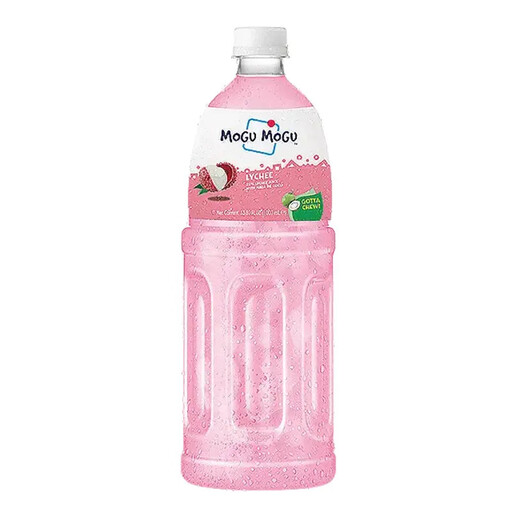
Why we chose it: Perfect for those who want more than just a drink. The addition of nata de coco (chewy cubes of coconut jelly) turns every sip into a fun, textured experience that's a big hit with teens and young adults.
The texture isn't a hidden flaw but the main selling point. The Mogu Mogu brand highlights its nata de coco pieces (25%), making the nature of the product clear from the start.
Combines a drink and a chewy "snack". The 1L format is convenient for sharing this taste discovery.
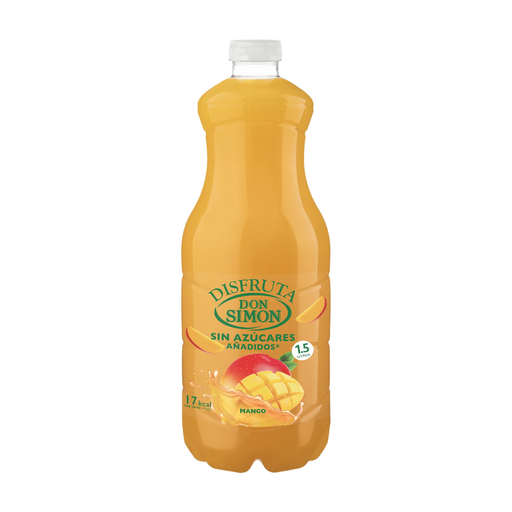
Why we chose it: Ideal for those who want the pleasure of a mango drink without the calories of added sugar. It's the perfect alternative for a guilt-free daily treat.
The "no added sugar" label is transparent here. The drink is sweetened (with sucralose) to maintain a sweet taste with only 17 kcal per 100 ml, information that is clearly displayed.
Very low in calories. The large 1.5L format is economical and great for regular family consumption.
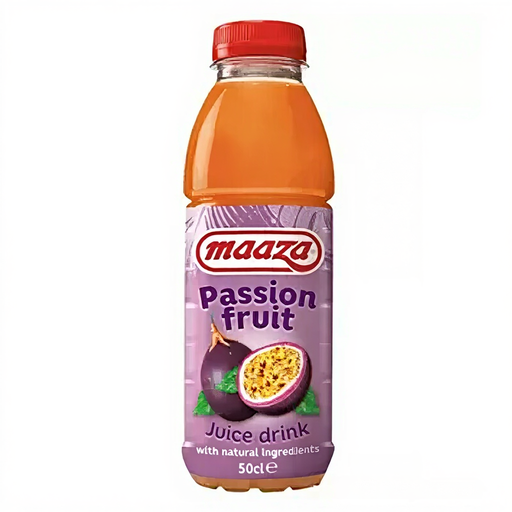
Why we chose it: For those seeking an intense and straightforward flavour. Maaza is a brand renowned for its fruit purée-based drinks, offering a rich taste and smooth texture that comes close to a high-quality nectar.
It doesn't hide behind "flavourings". The ingredient list highlights the passion fruit purée (17%), ensuring the taste comes from the actual fruit, not from additives.
Intense flavour and velvety texture thanks to the fruit purée. Suitable for vegetarians and vegans.
We've selected a whole range of products for you that tick all the right boxes.
1. What is the fundamental difference between a juice, a nectar, and a fruit drink? The main difference lies in the fruit content. A "pure juice" is made of 100% fruit. A "nectar" contains between 25% and 50% fruit, supplemented with water and often sugar. A "fruit drink" has an even lower fruit content and typically contains more additives like flavourings and colourings.
2. How should I store an exotic fruit drink after opening it? Once the bottle or carton is opened, it must be kept in the refrigerator. Most manufacturers recommend consuming it within 3 to 4 days to ensure freshness. Always check the instructions on the packaging to be sure.
3. Are drinks with pieces like nata de coco suitable for children? These drinks can pose a choking hazard for very young children. The Mogu Mogu brand itself sometimes includes a warning on its packaging. Therefore, caution is advised: do not offer them to toddlers without supervision.