
Livraison le jour même ou le lendemain

Qualité garantie

Débloquez vos offres de bienvenue: Livraison GRATUITE | Jusqu'à -80 % | 30 jours d'essai gratuits à JoyPlus
Téléchargez l'application
An exotic fruit drink instantly brings to mind sunshine, holidays, and faraway flavours. However, behind the colourful packaging lies a much more complex reality. Between marketing promises and the actual product composition, it's easy to make a misstep. Some products boast an intense tropical taste but contain only artificial flavourings, while others, marketed as healthy, hide a surprising amount of sugar. This guide is here to help you see things more clearly and find the drink that will truly satisfy your cravings.
The fruit juice and drink aisle is a real jungle, where manufacturers compete with clever tricks to grab your attention. Here are the most common traps to avoid.
The confusion between "juice", "nectar", and "drink": Don't be fooled: packaging featuring a tempting mango doesn't guarantee a high fruit content. Regulations define specific categories: a pure juice is 100% fruit, a fruit nectar contains between 25% and 50% fruit, supplemented with water and sugar (or sweeteners), and a fruit drink can contain even less. Naturally, the price and nutritional value vary dramatically between these classifications.
The "no added sugar" illusion: This claim is often mistaken for a guarantee of a "light" product. In reality, it simply means the manufacturer hasn't added sucrose or glucose syrup. The drink can therefore still be very sweet, either from the natural sugars in the fruit or from the addition of artificial sweeteners. The key is to scrutinise the ingredients list and the nutritional information panel.
You don't need to be an expert to make the right choice; you just need to know where to look on the label.
This is THE number one criterion. Look for the percentage of fruit or fruit puree. Is it the first item on the ingredients list? Generally, a short ingredients list is a good sign. If water and sugar appear at the top of the list, before the fruit, you're dealing with a sugary soft drink rather than a genuine tropical fruit juice. Also be wary of the vague term "flavourings": without the qualifier "natural", it often hides synthetic compounds.
You wouldn't choose the same drink for a Sunday breakfast, a teenager's snack, or the base of a fruit cocktail.
Here are a few options that stand out for their clear positioning, catering to very distinct preferences.
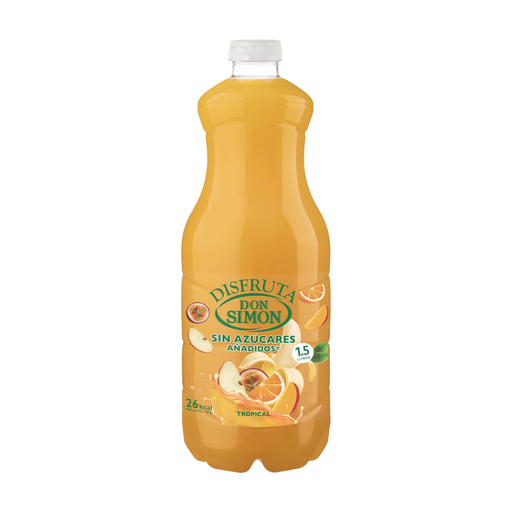
Why it's a good choice: Perfect for everyday family consumption. Its large 1.5L format is economical, and the "no added sugar" promise will appeal to parents looking to offer a lighter drink.
The brand is transparent: this is indeed a nectar, not a pure juice. The sugar trap is avoided by using a sweetener (sucralose), which allows for a light profile (26 kcal/100 ml) while maintaining a sweet taste.
Its family-sized format is as practical as it is economical. Its main advantage remains its low calorie count, without sacrificing the pleasure of a fruity taste thanks to a successful blend (orange, apple, mango, passion fruit).
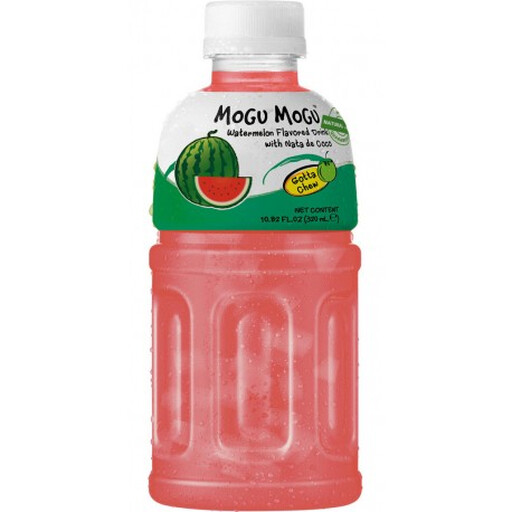
Why it's a good choice: The perfect drink for curious teens and young adults looking for a fun and quirky experience. Its unique "drink and chew" concept and 320ml format make it the ideal companion for on-the-go breaks.
Mogu Mogu doesn't pretend to be something it's not. It's not a classic fruit juice, but an experiential drink. Its positioning is clear: it's a pure indulgence product, which allows it to avoid the pitfall of a false health claim.
Its texture, of course! The small, chewable cubes of nata de coco (coconut gel) make it unique. The brand also offers a myriad of original flavours (lychee, watermelon, passion fruit drink...) so you'll never get bored.
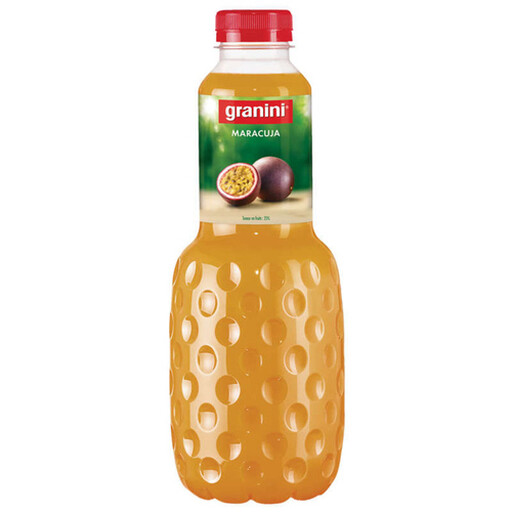
Why it's a good choice: For anyone who wants to experience the intense and characteristic taste of passion fruit, without compromise. Ideal for sipping on its own or as a premium base for a fruit cocktail. Granini is a benchmark for flavours that are true to the original.
The label is upfront with the "Fruit Drink" designation. The promise isn't about fruit content, but about the aromatic intensity of the maracuja. The brand focuses entirely on a powerful natural flavour, thus avoiding the disappointment of an artificial taste.
A powerful and instantly recognisable passion fruit taste. It's a perfect base for cocktails or mocktails, to which it adds an intense tropical touch without any fuss.
Discover our full selection of products that meet our quality criteria and regulations.
A tropical fruit juice (or "pure juice") is made of 100% fruit, with no added water, sugar, or sweeteners. A fruit nectar, on the other hand, is a blend of fruit juice or puree (with a regulated minimum content, often between 25% and 50%), water, and, in most cases, sugar or sweeteners. This formula is often preferred for very pulpy or acidic fruits (mango, banana, passion fruit...), which would be too thick or intense to drink as "pure juice".
Once opened, your bottle or carton must be stored in the refrigerator. Most manufacturers recommend consuming it within 3 to 5 days to ensure optimal freshness and flavour. It's best to follow the specific instructions on the packaging.
Drinks with pieces in them, like the nata de coco in Mogu Mogu, can indeed pose a choking hazard for very young children (generally under 4 years old) and individuals with swallowing difficulties. Therefore, caution is advised. For older children, it remains an indulgence drink, to be consumed in moderation due to its sugar content.