
Livraison le jour même ou le lendemain

Qualité garantie

Débloquez vos offres de bienvenue: Livraison GRATUITE | Jusqu'à -80 % | 30 jours d'essai gratuits à JoyPlus
Téléchargez l'application
An exotic fruit drink? The promise is tempting: one sip is all it takes to picture yourself on a sandy beach, far from the daily grind. Yet, once you're in the supermarket, the dream often turns into a headache. The juice aisle is a veritable jungle of confusing labels and marketing promises. The line between an authentic tropical fruit juice and an ultra-sweet drink made with synthetic flavourings can be thin.
As a product expert for the editorial team, I'm here to decode the labels for you. Before you fill your basket, let's review the pitfalls to avoid to make a choice that's as smart as it is delicious.
To avoid falling into the trap, you just need to learn how to read labels. Here are the clues that will help you distinguish a quality product from a simple sugary drink.
Regulations are strict, and that's a good thing. Mastering these few terms is the first step to knowing what you're putting in your glass:
The golden rule: a short ingredients list is almost always a sign of quality. Pay special attention to the following:
The ideal packaging will depend on your needs:
To put theory into practice, here is our selection of products that tick all the right boxes, for different types of consumers.
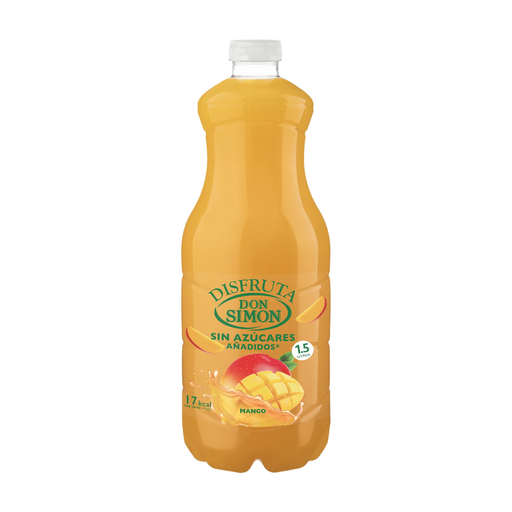
Why we love it: This nectar succeeds in offering an intense mango flavour with minimal calories. It's the smart choice for those watching their sugar intake without sacrificing taste.
It bypasses the "misleading no added sugar" pitfall by using a sweetener (sucralose) to ensure a sweet taste, but with only 17 kcal per 100 ml. It's a genuinely low-calorie drink.
The authentic taste of mango juice without the calories to match. Its 1.5L format is perfect for regular consumption at home.
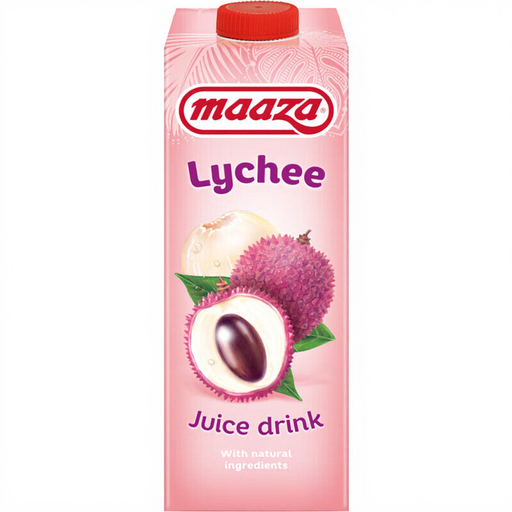
Why we love it: The floral and subtle flavour of lychee is a fantastic base for mixology. With its high fruit puree content, this drink is perfect for creating unique cocktails (with or without alcohol).
It avoids the chemical taste trap thanks to its 18% lychee puree. You get an authentic flavour that has nothing in common with synthetic syrups. The fruit does the talking, not the sugar.
A versatile and high-quality lychee drink that stands out as an ideal base for your cocktails. The 1L format is perfect for evenings with friends.
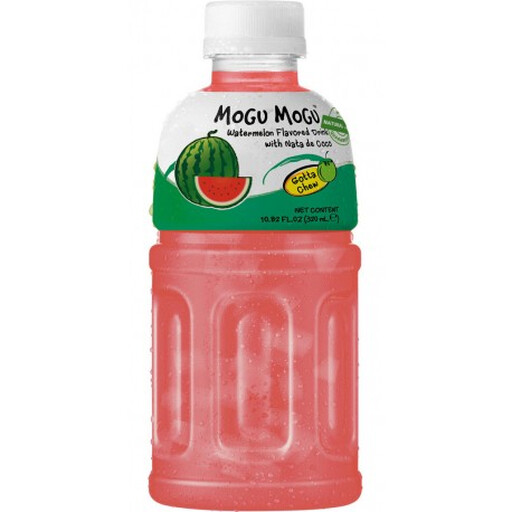
Why we love it: For those who love a quirky experience, Mogu Mogu is a must-try. It combines a fruity drink with chewy bits of nata de coco (a coconut jelly). It's a 2-in-1 drink and snack that offers a truly unique texture.
It doesn't fall into any traps because it plays in a different league. By focusing entirely on a fun texture, it doesn't try to imitate a classic juice but instead offers a completely new drinking experience.
A refreshing non-alcoholic drink that surprises and delights with its dual texture. The small 320 ml format is perfect for giving in to temptation.
Discover our full selection of products that meet our quality standards and current regulations.
In short, it's all about the fruit content. A pure juice is 100% fruit. A nectar is a mix of juice or puree (usually between 25% and 50%), water, and often sugar. A fruit drink has an even more variable (and often lower) fruit content, so it's crucial to check the percentage on the label.
Once opened, your drink must be kept in the refrigerator. For optimal freshness and taste, it's recommended to consume it within 3 to 4 days. Always refer to the specific instructions on the packaging.
Absolutely! The flavours of mango, lychee, passion fruit, or pineapple are excellent bases for cocktails, with or without alcohol. They instantly add a fruity and exotic touch. For a quick mocktail, simply mix your drink with sparkling water, a few ice cubes, and fresh mint leaves.