
Same-day & Next-day Delivery

Quality Guaranteed

Unlock Your Welcome Offers: FREE Delivery | Up to 80% OFF | Free 30-day JoyPlus trial
Download the APP
The appeal of international flavours has never been stronger. An exotic fruit drink is the promise of an instant flavour getaway, a one-way ticket to the tropics without leaving your sofa. Yet, faced with the overwhelming selection in supermarkets, making a purchase can quickly become a headache. Between the colourful packaging and promises of intense taste, it's all too easy to end up with a disappointing product that's overly sweet or full of artificial flavours.
As a product expert at Joybuy, my mission is to help you navigate this jungle. Let's forget the marketing jargon and focus on the concrete criteria that separate a truly high-quality drink from a mere sugar bomb. Here’s how to avoid the most common pitfalls and the key points to check before you head to the checkout.
The fruit drink aisle is full of traps. By keeping these two points in mind, you'll already be making a much wiser choice.
The 'fruit flavour' mirage: synthetic aromas vs. real purée. The most common trap? Confusing a drink flavoured with fruit with a drink made from fruit. Many lower-end products simply mix water, sugar, and synthetic flavourings to mimic the taste of mango or lychee. The result is often flat, with a chemical aftertaste. In contrast, a quality drink will always list a clear percentage of fruit purée or juice from concentrate in its ingredients.
Vague labelling: 'Nectar', 'Juice', and 'Fruit Juice Drink'. UK and EU regulations are very clear on this. A 'fruit juice' is 100% pure fruit. A 'nectar' must contain a minimum percentage of fruit (e.g., 25% for mango), supplemented with water and sugar. Finally, a 'fruit juice drink' has a much lower fruit content and is not held to the same standards. Spotting this legal designation on the label is therefore an excellent indicator of the product's quality and fruit concentration.
To ensure you choose an Asian drink or tropical fruit juice that lives up to its promises, here are the three criteria to scrutinise.
This is the most objective criterion. On the label, look for "Fruit content: X%" or break down the ingredients list. A product with 15% to 30% fruit purée will offer a much richer and more authentic experience than a drink that maxes out at 5%. A mango drink with a high purée content will not only have a taste truer to the fresh fruit but also a smoother, creamier texture.
A short ingredients list is almost always a good sign. The essentials? Water, fruit purée or juice, and perhaps a little sugar and an acidifier (like citric acid) for balance. Be wary of long-winded lists that pile on sweeteners, colourings, and preservatives with unpronounceable names.
The mouthfeel is just as important as the taste.
To put theory into practice, here are a few options for all tastes that meet the criteria we've just discussed.
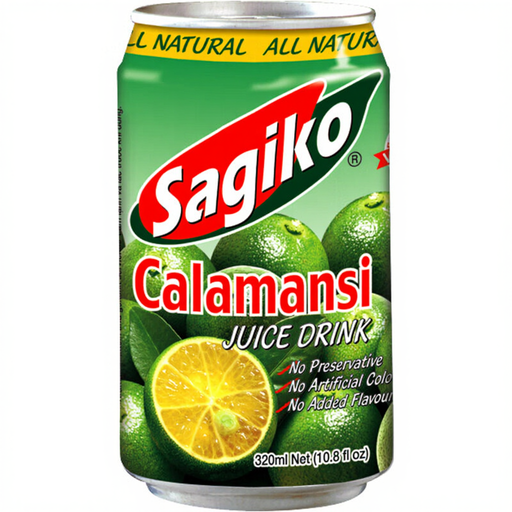
Why we chose it: Ideal for discovering original Asian flavours. Calamansi, a unique citrus fruit that's a cross between a kumquat and a mandarin, offers a vibrant and surprising taste experience.
The ingredients list specifies calamansi purée, guaranteeing an authentic fruit base rather than just a synthetic aroma, for a genuinely tangy taste.
A rare and highly refreshing citrus flavour. Its 320ml can format is perfect for taking on the go.
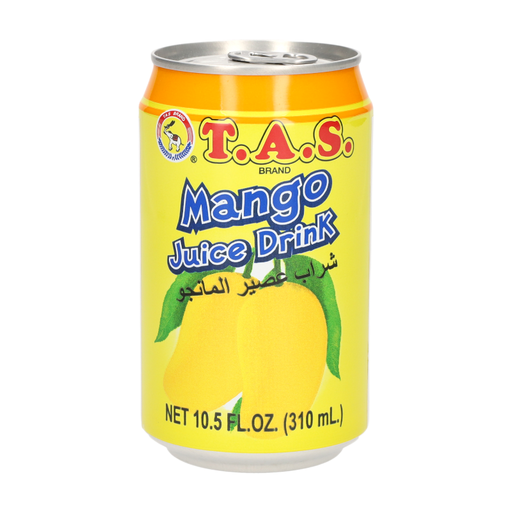
Why we chose it: For those seeking an intense and natural mango flavour that's very close to the real fruit. Here, the priority is on the quality of the ingredients.
With 30% mango purée, this drink is in the premium category, far from diluted products. The taste is rich and the texture is velvety.
A high fruit content that guarantees an authentic flavour. The ingredients list is short and clear: water, mango purée, cane sugar, and citric acid.
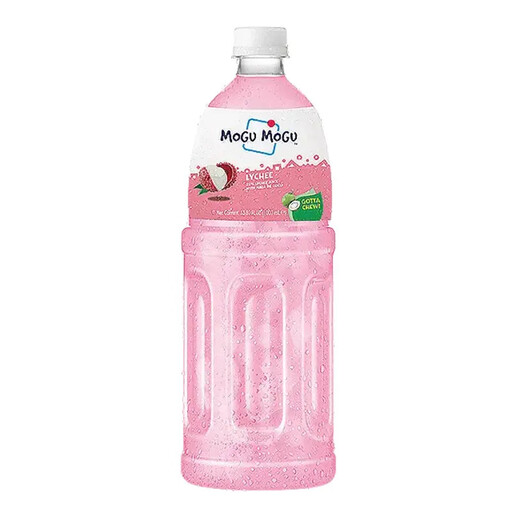
Why we chose it: Perfect for those who want more than just a drink. Mogu Mogu is an icon, famous for its "drink and chew" concept that turns sipping into a playful experience.
The product doesn't hide its main feature—it makes it a selling point. The 25% nata de coco is clearly highlighted, so there are no surprises about the texture. It's intentional!
A unique texture that combines fragrant lychee juice with chewy coconut jelly cubes. The 1L format is ideal for sharing this discovery.
Find our complete selection of drinks that tick all the right boxes.
In the UK and EU, a 'fruit juice' is 100% pure fruit with no added sugars (it only contains the natural sugar from the fruit). A 'fruit juice drink', on the other hand, is a mix of water, juice (often from concentrate), sugar, and other additives. Its fruit content is much lower and is not regulated in the same way.
Once opened, it must be kept in the refrigerator. Most manufacturers recommend consuming it within 3 to 5 days to maintain its freshness. In any case, always refer to the specific instructions on the packaging.
Drinks containing pieces (like nata de coco) can pose a choking hazard for very young children, so caution is advised. For little ones, it's better to opt for smooth drinks or to supervise them closely while they enjoy it.