
Livraison le jour même ou le lendemain

Qualité garantie

Débloquez vos offres de bienvenue: Livraison GRATUITE | Jusqu'à -80 % | 30 jours d'essai gratuits à JoyPlus
Téléchargez l'application
A single sip of an exotic fruit drink can transport your mind to faraway lands. It's a tantalizing promise, but one that often clashes with the reality of the beverage aisle: a veritable labyrinth of confusing labels and marketing claims. Between an authentic mango juice and a drink that only has the scent of one, the difference is significant.
As the head of product selection at Joybuy, my mission is to help you see things more clearly. Let's break down the pitfalls to avoid and the criteria that truly matter for making an informed choice.
Navigating the fruit drink selection can be confusing. Here are three things to watch out for to avoid disappointment and wasted money.
To sort through the options, focus on these three objective parameters before you check out.
This is THE number one criterion. Regulations are clear and distinguish between several categories:
Our advice: Scrutinise the fruit percentage on the packaging. For an authentic tropical juice taste, aim for products with the highest purée or juice content.
Rule of thumb: a short ingredients list is often a good sign. Ingredients are always listed in order of quantity. If "sugar" appears before "fruit juice", you're holding a sugary drink rather than a fruit drink. For a naturally hydrating and low-sugar alternative, pure coconut water remains a safe bet.
The right product depends on how you plan to use it.
To help you navigate the options, here are a few products that stand out from the crowd, designed for different needs and based on the criteria we've just discussed.
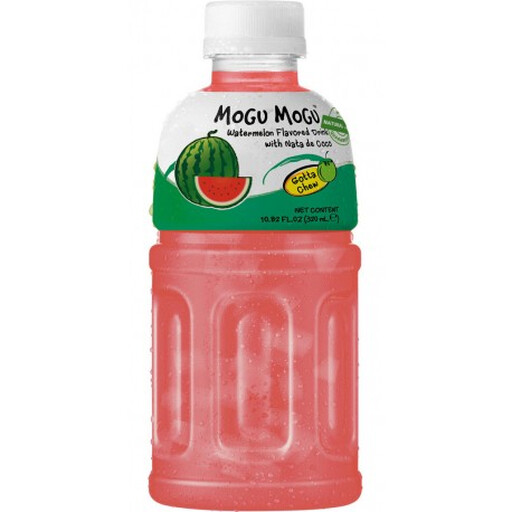
Why it's a great choice: Ideal for the curious who are looking for a playful drinking experience. Mogu Mogu is an iconic brand that combines a refreshing juice with chewy pieces, turning simple hydration into a fun snack.
The product is upfront from the get-go with "Nata de Coco" in its name, preventing any unpleasant surprises when you take a sip.
Combines a drink and a snack; unique and fun texture; made with real fruit juice.
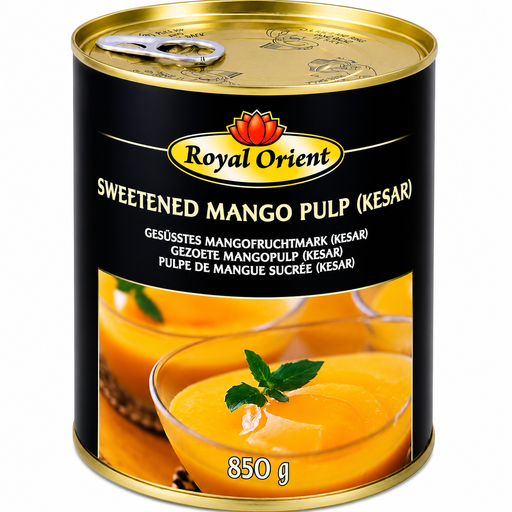
Why it's a great choice: Perfect for amateur or expert cooks looking for a flawless base ingredient. This pulp allows you to create lassis, sorbets, mousses, or cocktails with an intense and authentic mango flavour.
With 95% mango pulp, it smashes the "low fruit content" trap. Its "pulp" designation is unambiguous: this is not a ready-to-drink beverage.
Exceptional fruit content (95%); highly versatile in the kitchen; rich flavour of Kesar mango.
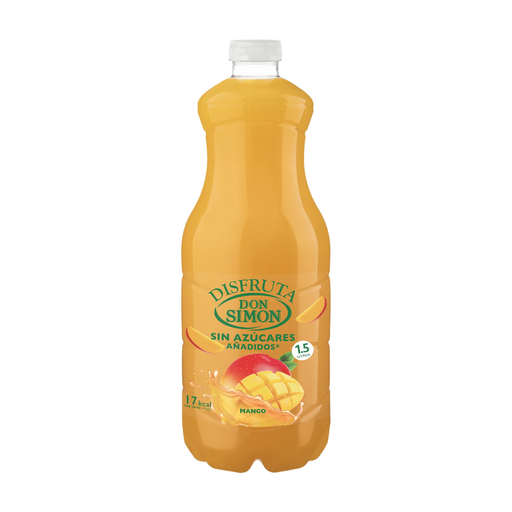
Why it's a great choice: Designed for those who are watching their sugar intake without wanting to sacrifice the pleasure of a fruity drink. This nectar delivers the taste of mango with a very low calorie count, making it an excellent everyday choice.
It sidesteps the "hidden sugars" trap by clearly displaying "no added sugar". The secret? A sweetener that preserves the sweet taste, minus the calories.
Very low in calories (17 kcal/100 ml); contains only the fruit's natural sugars; large 1.5 L family-size format.
We have curated a complete selection of products that meet our quality criteria and current regulations.
A fruit juice is 100% pure fruit, with no added sugars. A nectar is a mix of fruit purée, water, and sugar (or sweeteners), with a minimum fruit content set by law (e.g., 25% for mango). A fruit drink generally has a lower fruit content and much more flexible composition rules.
Fruit pulp for dessert is a very versatile ingredient. Mix it with yoghurt and a pinch of cardamom for an authentic Indian lassi, incorporate it into a cream base to make ice cream or mousse, or simply use it as a coulis over a cheesecake, yoghurt, or pancakes.
Nata de coco is a jelly made from the fermentation of coconut water, which is rich in water and fibre. By itself, it is low in calories. However, the drinks that include it, like Mogu Mogu, are often sweetened. They should therefore be seen as an indulgent treat to be consumed in moderation as part of a balanced diet, not as a "health" drink.