
Livraison le jour même ou le lendemain

Qualité garantie

Débloquez vos offres de bienvenue: Livraison GRATUITE | Jusqu'à -80 % | 30 jours d'essai gratuits à JoyPlus
Téléchargez l'application
The appeal of exotic drinks is constantly growing, promising a flavour journey to distant lands. However, behind the colourful packaging and evocative names, real disappointments can sometimes be found. Between misleading labels and surprising ingredients, it's easy to make the wrong choice. As a product expert at Joybuy, my mission is to help you navigate this vast selection to find the drink that truly meets your expectations.
Before you dive in, here are the two most common pitfalls to avoid:
To buy exotic juices online with confidence, it's essential to know how to read between the lines. Here are the three criteria to examine to make an informed choice.
UK and EU regulations are very specific about naming conventions. Understanding these terms will save you from many disappointments:
Asian drinks, in particular, have popularised a variety of textures that reinvent the tasting experience.
Checking for the presence and type of these additions will allow you to choose a drink that matches your preferences, whether you're looking for simple hydration or a more indulgent experience.
Be careful, an exotic drink isn't always a healthy one. Many contain significant amounts of added sugar to enhance the taste. Take a look at the nutritional information, specifically the "of which sugars" line. Compare this value with the ingredients list: if "sugar," "fructose syrup," or other sweeteners appear near the top of the list, the drink is likely very sweet.
To help you see more clearly, here are a few gems, each suited to a specific need or desire.
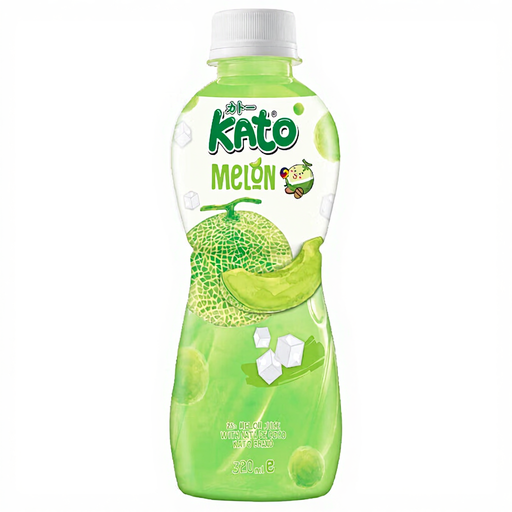
Why we love it: Perfect for those looking to try something new. This drink combines a sweet melon flavour with the playful texture of nata de coco for a unique drink-and-chew experience.
The label is upfront, clearly stating it contains 16% Nata de Coco. No nasty surprises with the texture; it delivers on its promise.
A 2-in-1 product that's both a drink and a snack, making for a refreshing and fun break.
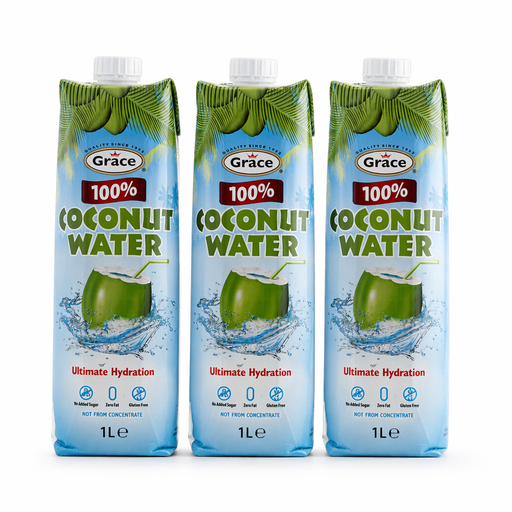
Why we recommend it: Ideal for athletes or anyone looking for healthy, natural hydration. It's the perfect alternative to sugary drinks or plain water.
The ingredients list is as simple as it gets: "coconut water." That's it. There is no added sugar, flavouring, or preservatives. A pure product that keeps its promise.
100% natural hydration, with no frills. The 1L format is convenient for always having some in the fridge.
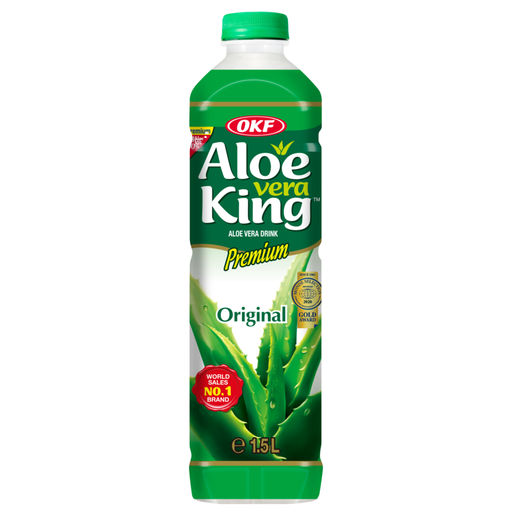
Why it's a crowd-pleaser: A large family-size format that everyone loves. Refreshing, with a universally-loved flavour and real pieces, it's a hit with both kids and adults.
The product is honest: it's a "based" drink. The label details the composition, including 9% aloe vera gel, which justifies the presence of pieces. You know what to expect.
The 1.5-litre format is economical and perfect for family meals, picnics, or simply keeping a supply in the fridge.
Discover our full selection of drinks that tick all the boxes: taste, transparency, and quality.
A fruit juice is made of 100% fruit, with no added sugars. A nectar is a blend of fruit juice or purée (with a regulated minimum content), water, and often sugar. Nectar is the ideal solution for consuming fruits that are too thick or acidic to be drunk as pure juice, such as banana or passion fruit.
Most exotic drinks, whether they are juices, nectars, or fruit-based drinks, should be stored in the refrigerator once opened and consumed within 3 to 5 days. It's always best to refer to the instructions on the packaging.
Yes, it's entirely possible, although it's not the norm. 100% pure coconut water is the best example. For others, the rule remains the same: read the ingredients list carefully. Some brands offer "no added sugar" versions, which use sweeteners or rely on the natural sugar from the fruit.