
Livraison le jour même ou le lendemain

Qualité garantie

Débloquez vos offres de bienvenue: Livraison GRATUITE | Jusqu'à -80 % | 30 jours d'essai gratuits à JoyPlus
Téléchargez l'application
Exotic flavours are more popular than ever, and the exotic drinks aisle has never been more crowded. But behind the colourful packaging that promises a one-way ticket to the tropics, many pitfalls await. A flashy label is no guarantee of an authentic experience, and all too often, you end up with a drink that's sickeningly sweet or has a chemical aftertaste. Before you fill your basket, it's best to know how to decipher labels to make the right choice.
Spotting a quality refreshing drink in this jungle of options is no easy task. Here are the most common traps and our tips for avoiding them.
To be sure of your drink's quality, focus on a few key points that never lie. These clues will help you distinguish between an authentic drink and an ultra-processed product.
This is the most critical factor. French and European regulations are very clear on the naming conventions:
The smart move: Always scan the ingredients list to find the fruit percentage—it's a mandatory disclosure.
A short ingredients list is often an excellent sign. Be wary of long-winded lists that include multiple additives, colourings, or artificial flavourings.
The canned juice format has more than one advantage. Not only does it protect the drink from light, which better preserves its flavours and nutrients, but it's also easy to transport and store. It's the ideal solution for on-the-go consumption or for always having a refreshing drink on hand.
To guide you, we've selected three products for three different profiles, all vetted according to the quality criteria we've just discussed.
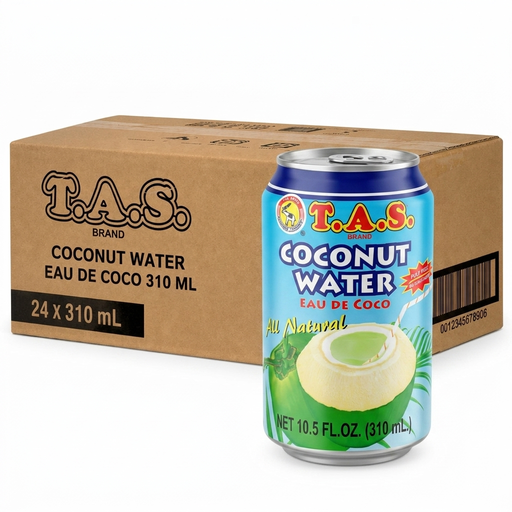
Why we chose it: Ideal for those who want to hydrate naturally, without any gimmicks. It's the ultimate healthy alternative to sodas and other sports drinks, perfect after a workout or on a hot summer day.
Just one ingredient on the list: 100% coconut water. Zero added sugar, zero preservatives, zero flavourings. It's impossible to fall into the "fake healthy drink" trap.
Pure and natural hydration. It provides essential electrolytes to maintain the body's fluid balance—a significant benefit.
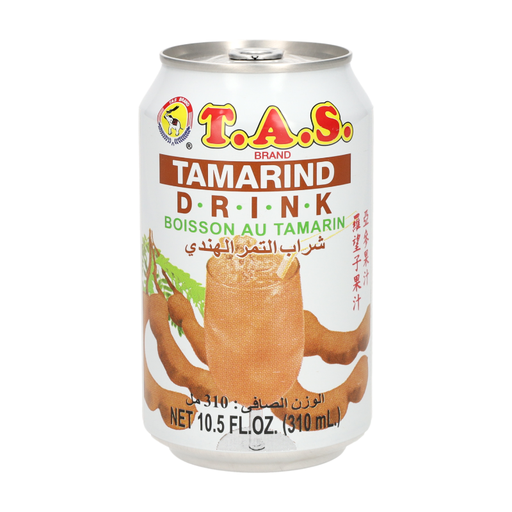
Why we chose it: For the curious who want to venture off the beaten path and explore beyond classic mango or pineapple juices. The tamarind drink offers a complex flavour profile, both sweet and tangy, that is highly popular in Asia and South America.
With 30% tamarind pulp, the taste is authentic and prominent. This is far from a simple flavouring: here, the fruit is the real star after water.
A unique taste for a true Asian drink experience. Ideal for pairing with a spicy dish or simply for an original and thirst-quenching break.
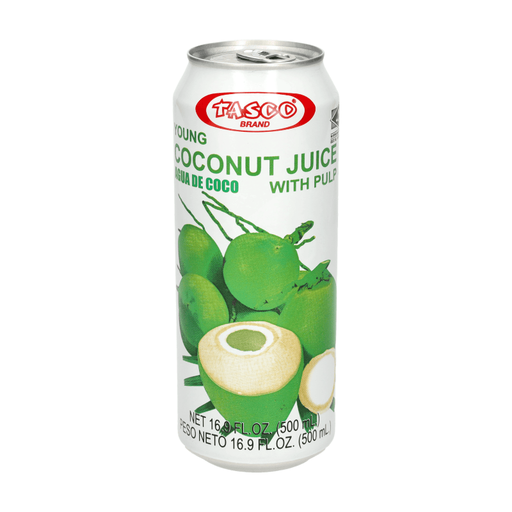
Why we chose it: For those who like a drink with some substance. The pieces of young coconut pulp add a pleasant, chewy texture for an experience that is both satisfying and refreshing.
The "with pulp" promise is kept: the ingredients list confirms the presence of young coconut pulp. These aren't flavourings, but real pieces of fruit.
A dual sensation: the thirst-quenching quality of the juice and the tender texture of the pulp. Plus, the 500 ml format is very generous.
How should I store an exotic drink after opening? Most canned juices or bottled drinks should be stored in the refrigerator after opening. It is recommended to consume them within 3 days to enjoy their full freshness. It's always best to follow the specific instructions on the packaging.
Coconut water and coconut juice: what's the difference?Coconut water is the clear, translucent liquid found in young green coconuts. Naturally low in sugar, it is very hydrating. Coconut juice (or coconut drink), on the other hand, is made from the pulp blended with water. It is therefore often thicker, more opaque, and sweeter (especially if sugar has been added).
Can these canned juices be used to make cocktails? Absolutely! Tropical fruit juices like mango, passion fruit, or lychee are perfect bases for cocktails, with or without alcohol. Coconut water is also an excellent option to lighten a drink and add a subtle exotic touch.