
Livraison le jour même ou le lendemain

Qualité garantie

Débloquez vos offres de bienvenue: Livraison GRATUITE | Jusqu'à -80 % | 30 jours d'essai gratuits à JoyPlus
Téléchargez l'application
The call of the exotic is making its way into our glasses. Mango, lychee, passion fruit… The shelves are overflowing with exotic drinks promising a one-way ticket to the tropics. But be warned: behind the flashy packaging and promises of escape, disappointment can often follow. As a product expert at Joybuy, my mission is to guide you through this jungle to uncover the real gems.
To avoid falling into the common traps, let's review the most frequent pitfalls.
To be sure of your choice, a few checks on the label are essential. It's the best way to know what you're really drinking.
UK regulations are specific. A "fruit drink" must contain a minimum percentage of fruit (as juice or purée), which varies by fruit. A "nectar" will contain between 25% and 50% depending on the fruit, while a "pure juice" is made of 100% fruit. Look for the percentage of exotic fruit juice in the ingredients list. A low number is often a sign that water and sugar are the main ingredients.
Generally, a short ingredient list is a good sign. Steer clear of long lists riddled with additives (colourings, preservatives, thickeners). If you're looking for a sugar-free drink, make sure terms like "fructose syrup," "sucrose," or "dextrose" aren't hogging the top spots on the list. Consider alternatives like pure coconut water or aloe vera drinks with no added sugar, which are often much better options.
The landscape of exotic drinks is vast. You'll find classic juices and sodas, but also specialities like the Asian drinkMogu Mogu, famous for its chewy nata de coco pieces. Each category promises a unique experience. The origin also influences the flavour profile, whether it's a traditional Thai recipe or a European creation with a tropical twist.
To guide you, here are a few gems that tick all the right boxes, each suited to a different type of consumer.
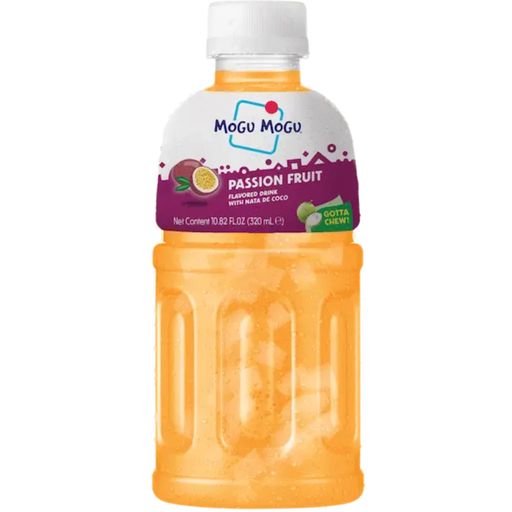
Why it's a great match: Perfect for those who want more than just a drink: a true experience to sip... and chew! The combination of a fruity drink and pieces of nata de coco offers a unique and fun mouthfeel.
This product is upfront and honest: it's not a pure juice. Its number one selling point is the unique texture of its nata de coco pieces. It's a "chewable drink," and it fully embraces it.
Original and fun texture; intense passion fruit flavour.
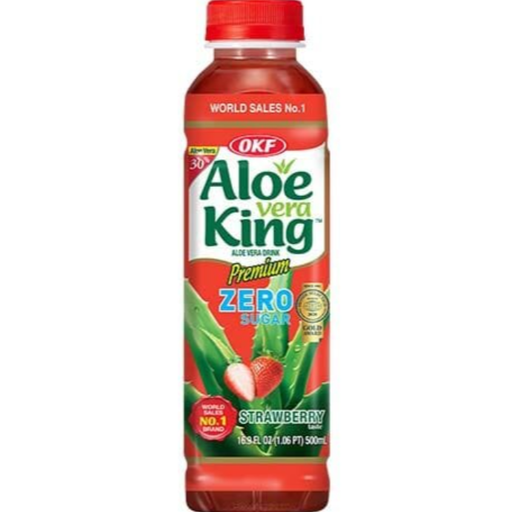
Why it's a great match: The perfect partner for those watching their waistline or sugar intake. A thirst-quenching drink with a fruity touch, minus the calories.
This one tackles the hidden sugar trap head-on. The "sugar-free" claim is crystal clear: the drink uses sweeteners for a sweet treat without the caloric load.
Zero sugar and very few calories; real aloe vera pulp pieces for texture.
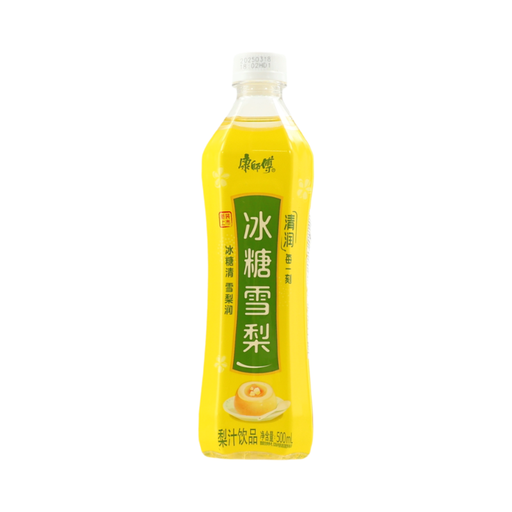
Why it's a great match: For the flavour adventurer, curious to discover the tastes that are a huge hit in Asia. This drink goes off the beaten path with the delicate sweetness of snow pear and rock sugar.
It doesn't pretend to be a pure juice, but presents itself as a traditional thirst-quencher. The composition is transparent: with a pear juice content of 10% or more, it respects the standards of its category.
Authentic and subtle flavour, a great classic in China; incredibly refreshing when served chilled.
Discover our full selection of drinks that meet our quality and regulatory criteria.
Once opened, most exotic drinks, especially those based on fruit juice, should be kept in the refrigerator. To enjoy optimal freshness and taste, consume them within 3 to 5 days. In any case, refer to the instructions on the packaging.
While they can be fun for older children, caution is advised. The pieces of nata de coco or aloe vera pulp can pose a choking hazard for very young children. Adult supervision is therefore recommended.
Absolutely! It's an excellent idea. Coconut water, lychee juice, or passion fruit juice are perfect bases for cocktails, with or without alcohol (mocktails). They add a touch of originality and a sweetness that pairs wonderfully with various spirits or other fruit juices.