
Livraison le jour même ou le lendemain

Qualité garantie

Débloquez vos offres de bienvenue: Livraison GRATUITE | Jusqu'à -80 % | 30 jours d'essai gratuits à JoyPlus
Téléchargez l'application
Exotic drinks and fruity sodas are certainly eye-catching with their lychee, watermelon, pineapple, mango and red berry flavours. But a colourful can doesn't guarantee a successful purchase. Between overly sweet recipes, poorly suited formats and sometimes vague marketing claims, it's easy to end up with a batch that gathers dust at the back of the cupboard.
This guide helps you compare an Asian drink, a fruity soda, a juice or a drinks multipack using criteria that really matter.
Just because there's a fruit on the packaging doesn't necessarily mean the drink contains a significant amount of juice. Check the ingredients list and the actual percentage stated. Some fruit drinks, for example, contain a blend of juice from concentrate, whereas a soda is mainly carbonated water, flavourings and sugar or sweeteners.
A fruit juice and a flavoured drink serve different purposes. The former is better suited to breakfast or brunch. A fruity soda, on the other hand, works well with a meal, as a treat or at a party.
A sugar-free drink may contain sweeteners and have a very different composition to a standard soda. Look at the nutritional information, particularly the "carbohydrates" and "of which sugars" lines, then check the full ingredients list.
Information can also vary depending on the market or packaging. In the UK, always rely on the label of the product you receive, its net quantity and any safety instructions before consuming it.
A pack of 24 cans might seem like a bargain, but it can represent nearly 8 litres of drink. This format makes sense for a party or sharing with others, but much less so if you simply want to try a new flavour. Conversely, a 2-litre bottle quickly becomes impractical once opened if you live alone or your fridge is short on space.
Calculate the price per litre, check the best-before date and choose between cans, individual bottles and multipacks based on your usual consumption.
Ingredients are listed in descending order by quantity. Look out for sugar, syrup, fructose, fruit juice concentrate, sweeteners and flavourings. Nutritional values are usually given per 100ml, which makes it easier to compare different products.
For reference, Fanta pineapple flavour in a 330ml can shows 51 kcal and 14g of sugars per 100ml, according to the data provided. Fanta white peach and jasmine, on the other hand, shows 19 kcal and 4.6g of sugars per 100ml. Over a whole bottle or multipack, the difference quickly adds up.
A 330ml or 350ml can is a handy single serving. 320ml bottles are ideal for a first try, especially with lychee or nata de coco drinks. Family-size 2-litre bottles are better value for a shared meal.
A fizzy drink gradually loses its fizz once opened. Follow the recommendations on the packaging, refrigerate when advised and drink it promptly.
A nata de coco drink contains jelly-like pieces that completely change the experience compared to a standard soda. Bubble tea products, meanwhile, may contain milk and tapioca pearls. So check the allergens list carefully, especially for milk, cereals or traces of nuts.
Drinks containing pieces should be offered with caution to young children and anyone with swallowing difficulties. For each product, the label and manufacturer's instructions remain the most reliable source of information.
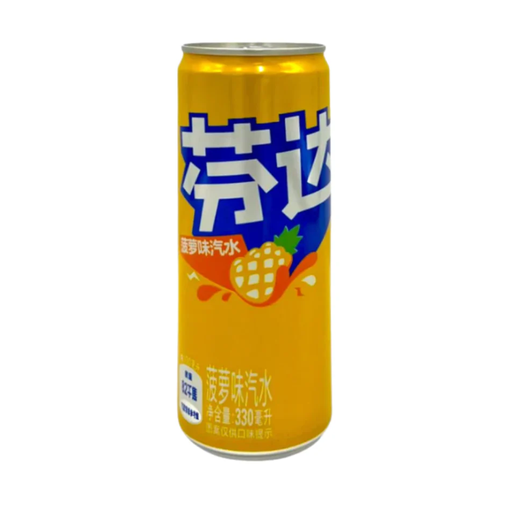
Why this choice suits this profile: An individual can lets you try a pineapple flavour without committing to a large pack straight away.
The 330ml format reduces the risk of waste associated with large bottles left open for too long.
Pineapple flavour, 330ml format and ready-to-drink fizzy soda. The data provided shows 51 kcal per 100ml.
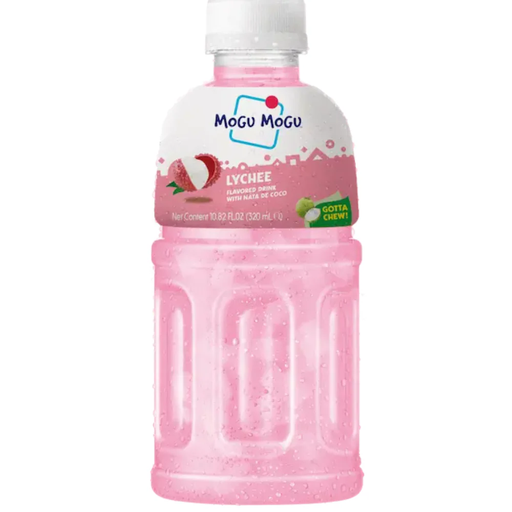
Why this choice suits this profile: This lychee drink offers an original texture thanks to its nata de coco pieces, a world away from the standard soda experience.
The ingredients and presence of nata de coco are clearly stated, so you won't mistake a fruit drink for a standard soda.
320ml format, concentrated lychee juice and nata de coco pieces. The data provided shows 53 kcal per 100g.
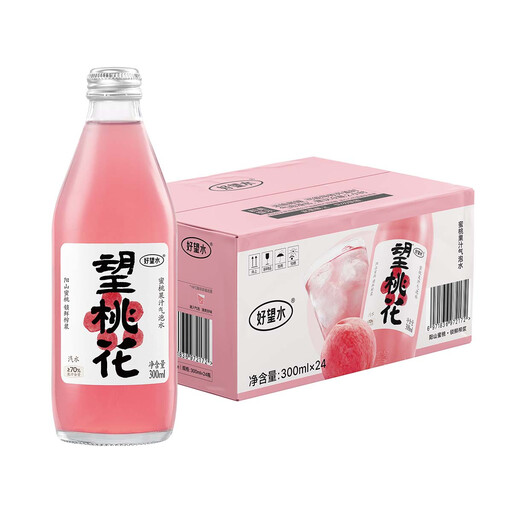
Why this choice suits this profile: The pack of 24 bottles is ideal for offices, families, clubs and organising parties.
The total volume is clearly stated: 24 bottles of 300ml. You can therefore estimate the price per serving before ordering.
Lightly sparkling drink, peach juice stated at 8.7%, 31 kcal per 100ml according to the information provided.
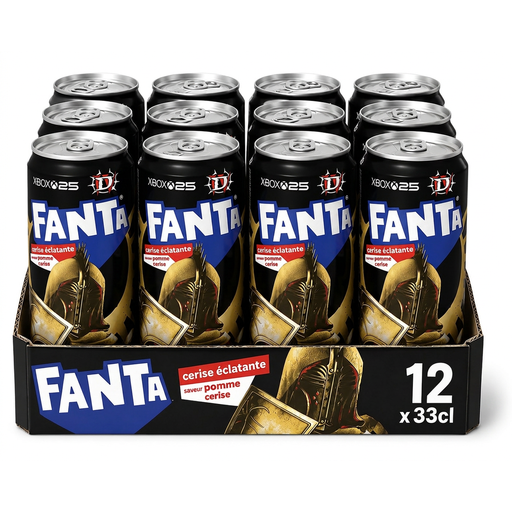
Why this choice suits this profile: The 12 cans are enough to serve several people at a meal, birthday party or evening at home.
The number of cans and total volume of 3.96 litres are specified, unlike offers that only highlight the pack price.
Cherry flavour, caffeine-free according to the product sheet provided, and convenient individual format for sharing.
We've put together a comprehensive, real-time updated list of products that meet these strict selection criteria and European safety regulations.
Start with a small individual format and an easy-to-identify flavour, such as pineapple, peach or lychee. A nata de coco drink or a bubble tea will be more suitable if you enjoy textured drinks with pieces, provided you've checked the allergens list.
Not necessarily. Compare the price per litre, the number of servings and the amount you actually drink. A pack of 24 cans can be worthwhile for a party or a family. In a small household, several individual bottles may sometimes reduce waste.
Refrigerate it and follow the manufacturer's recommendations. An opened can should be drunk quickly. For a bottle, screw the cap back on properly, avoid repeated temperature changes and check its appearance and smell before serving.