
Livraison le jour même ou le lendemain

Qualité garantie

Débloquez vos offres de bienvenue: Livraison GRATUITE | Jusqu'à -80 % | 30 jours d'essai gratuits à JoyPlus
Téléchargez l'application
A taste for the exotic is finding its way into our glasses. The exotic drinks aisle is overflowing with colourful bottles that promise an instant escape. But beware: behind the paradise-like labels, disappointment often lurks. Telling the difference between an authentic tropical fruit juice and a simple, artificially flavoured sugar drink can be a real puzzle. This guide is here to give you the keys to making a smart choice and avoiding the most common pitfalls.
Before you fall for a picture-perfect bottle, here are the three main pitfalls to be aware of to avoid buyer's remorse—for both your taste buds and your wallet.
To make sure you get it right, here are the key things to check on the label. They speak volumes about the product's true quality.
First instinct: decode the ingredient list. A short ingredient list is almost always a sign of quality. Look for the fruit percentage (juice, purée, or concentrate): it should be at the top of the list. A true natural juice will have fruit as its number one ingredient, not water or sugar. Steer clear of long lists full of additives, colourings, and artificial flavours.
Not all exotic drinks are created equal, nor are they used in the same way.
A quick look at the nutrition facts is the best way to unmask impostors. Find the "Carbohydrates, of which sugars" line. Anything over 10g per 100ml is a clear sign: the drink is very sugary. Don't hesitate to compare several products to find the most sensible option.
To put theory into practice, we've selected products that suit different profiles, applying the criteria we've just discussed.
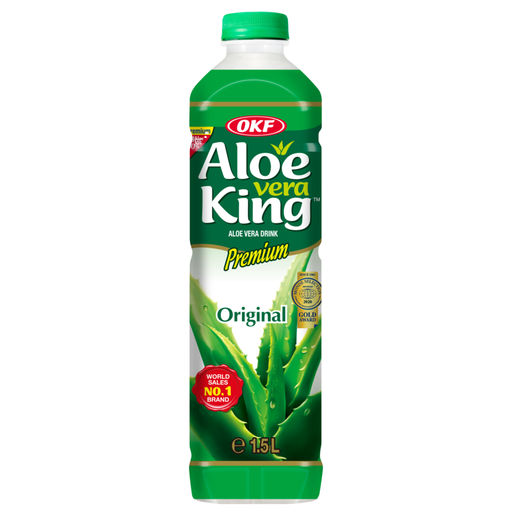
WHY IT'S A MATCH: Perfect for introducing the whole family to unique textures. Its large 1.5L format is ideal for sharing. The mild, slightly honeyed taste is very approachable, and the aloe vera pieces add a fun element that kids love.
The brand is transparent, clearly stating the presence of aloe vera gel (9%) and juice (3%). The product doesn't pretend to be a classic juice, which prevents any unpleasant surprises when you taste it.
Economical, family-sized format. A unique sensory experience thanks to its real pulp pieces.
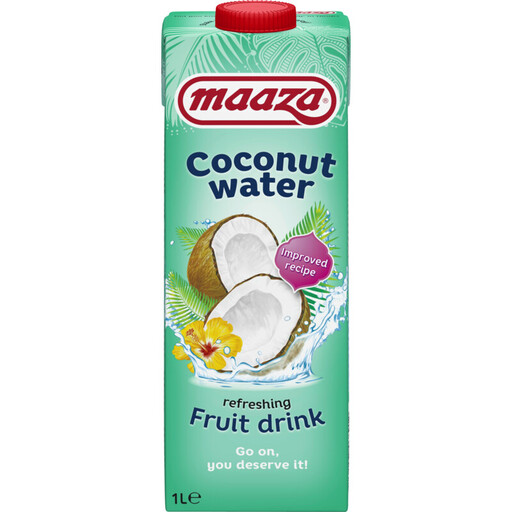
WHY IT'S A MATCH: For anyone who wants to hydrate healthily and guilt-free. This coconut water is the perfect alternative to sugary drinks, whether for quenching your thirst at the office or after a workout.
With only 4g of sugar (naturally occurring) and 19 kcal per 100ml, this drink avoids the hidden calorie and sugar trap. Its ingredient list is ultra-short and clear: coconut water from concentrate, and that's it.
Very low in calories. A natural and thirst-quenching taste, with no added sugar.
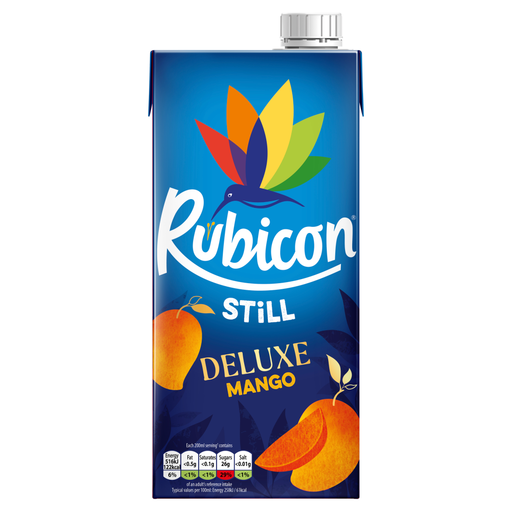
WHY IT'S A MATCH: For purists who want to experience the true taste of mango. Rich and smooth, its velvety flavour is a true invitation to travel. Perfect for pairing with a spicy dish or for a 100% indulgent break.
No synthetic flavourings here! The drink contains 16% mango purée, which guarantees an authentic taste. It's a far cry from simple 'mango-flavoured drinks,' making it an excellent choice in the tropical fruit juice category.
High fruit purée content for an intense flavour. Rich and velvety texture.
We've put together a complete selection of products that check all the boxes in our guide.
Most of these drinks, especially those made from natural juice without preservatives, should be kept in the refrigerator after opening. It's best to consume them within 3 to 5 days to enjoy their full freshness. In any case, always refer to the instructions on the packaging.
Yes, and that's their main appeal! Quality aloe vera drinks contain real pieces of pulp (or gel). This is what gives them their unique texture. The percentage of aloe vera (juice and pulp) is listed on the label: it's a good indicator of the experience that awaits you.
Pure coconut water, from young green coconuts, is naturally very slightly sweet. However, be careful: many brands add sugar or fruit juice to appeal to a wider audience. For a 100% natural version, a quick look at the ingredient list is a must.