
Livraison le jour même ou le lendemain

Qualité garantie

Débloquez vos offres de bienvenue: Livraison GRATUITE | Jusqu'à -80 % | 30 jours d'essai gratuits à JoyPlus
Téléchargez l'application
Tired of the same old sodas and fruit juices? The exotic drinks aisle is an invitation to travel, but it's easy to get lost among confusing labels and misleading marketing promises. Between a tropical nectar, a Japanese soda, or a nata de coco drink, how can you find your way and quench your thirst for something new without any unpleasant surprises?
Our editorial team has scrutinised these products to help you see things more clearly. Follow our guide to avoid the common pitfalls and choose the drink that's truly right for you.
Forget the marketing and focus on what matters: the label.
Regulations are often precise, which is a real advantage for clarity. Here's a quick glossary to know what you're really drinking.
A short ingredients list is often a good sign. Pay close attention to these two points:
What do you want from your drink? A simple refreshment, a cultural discovery, or a touch of originality for your happy hour?
Applying these criteria, here are a few products that stand out, designed for different profiles.
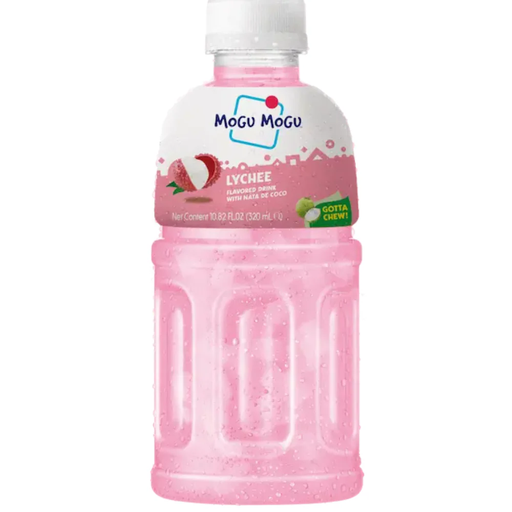
Why we chose it: The perfect drink to get off the beaten path. It combines the sweetness of lychee with chewy nata de coco pieces for a fun and refreshing experience that's a true phenomenon in Asia.
The product is upfront about its texture, featuring "Nata de Coco" in its name, so there are no surprises for newcomers.
A dual sensation: a fruity drink and a chewy topping. It's the ideal gateway to discovering Asian beverages.
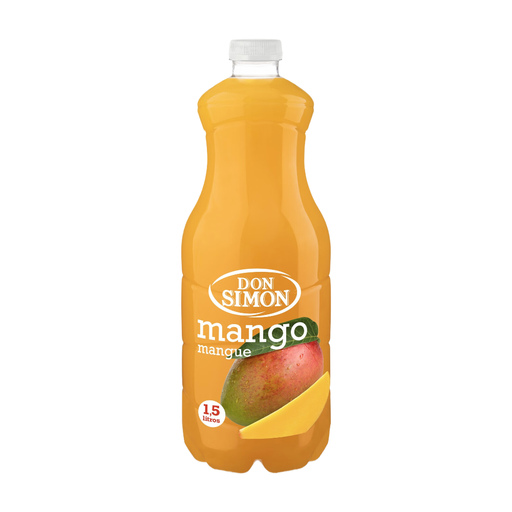
Why we chose it: For purists who want the authentic taste of mango. Made from fruit purée, this nectar delivers an intense flavour and a smooth texture, the signature of a quality tropical nectar.
The label is transparent: the "Nectar" designation and a 35% mango purée content clearly distinguish it from simple "mango-flavoured drinks" that contain only a few percent of fruit.
A high fruit concentration for an intense taste and velvety texture. Its 1.5L family-size format is as practical for daily use as it is for large gatherings.
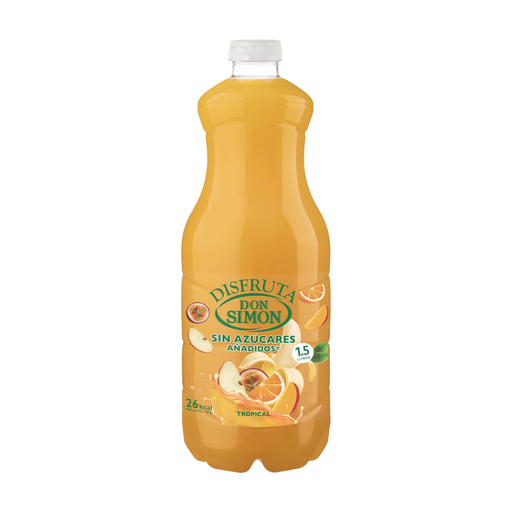
Why we chose it: Ideal for those who want an exotic treat without racking up the calories. This nectar blends several fruit juices (orange, apple, banana, mango, passion fruit) with no added sugar, resulting in a light and flavourful drink.
The "No Added Sugar" claim is clearly displayed, avoiding the hidden sugar trap. The product specifies that it only contains sugars naturally present in the fruit.
A controlled calorie count (26 kcal/100 ml) that doesn't sacrifice taste, thanks to a well-balanced five-fruit cocktail.
Discover our full selection of drinks that meet our quality and regulatory standards.
A juice is 100% fruit, with no added sugars. A nectar contains between 25% and 50% fruit, supplemented with water and sometimes sugar. A fruit drink has a much lower fruit content and often contains more additives. The key takeaway: always check this designation on the label to know what you're buying.
Most, especially large formats (1.5L), should be kept in the refrigerator after opening. It's best to consume them within 3 to 4 days to enjoy their full freshness. Always refer to the instructions on the packaging.
Nata de coco is a small, chewy, translucent jelly made from the fermentation of coconut water. It's rich in fibre and has a neutral taste, but its chewy texture is highly sought after in Asian drinks and desserts. It's the secret ingredient that makes the drink both more substantial and more fun.