
Livraison le jour même ou le lendemain

Qualité garantie

Débloquez vos offres de bienvenue: Livraison GRATUITE | Jusqu'à -80 % | 30 jours d'essai gratuits à JoyPlus
Téléchargez l'application
Furnishing your home, organising your kitchen or making family life easier can quickly push up the bill. Between multi-function appliances, accessories marketed as must-haves and limited-time offers, it is not always easy to tell the difference between a genuinely useful product and a purchase you could easily do without.
To make informed choices from among everyday home products, start by defining how you intend to use them, then check a few practical details: dimensions, capacity, materials, care requirements and safety. This approach applies equally to home equipment, kitchen accessories, household appliances, storage solutions and connected devices.
An appliance that can cook, reheat, keep food warm and prepare a multitude of recipes may seem particularly versatile. In practice, some of its functions will probably go unused. In a small home or a kitchen that is already well equipped, a compact model offering two power levels may sometimes be more suitable than a bulky appliance packed with options.
Before comparing models, identify the main function, how often you will use it and how much space you actually have available.
The stated capacity does not always correspond to the amount that is genuinely practical to prepare or store. A 1.5-litre kettle is suitable for several cups, while a 1-litre mini cooker is more suited to one person or a couple. Similarly, a 50 × 70 cm kitchen mat must be able to lie completely flat on the worktop.
Measure up before ordering and compare the dimensions of the product and its packaging with the space where you intend to store it.
A low price does not necessarily mean that a product is poorly designed. Conversely, a smart finish does not guarantee comfortable everyday use. For a storage accessory, look at the stated maximum load, resistance to moisture and the type of non-slip surface. For an electrical appliance, check the power rating, automatic shut-off, overheating protection and compatible voltage.
Capacity should match the number of people in your household and everyone’s habits. A 4-litre rice cooker is generally described as suitable for three or four people, while a 1-litre mini cooker is better suited to one person or a couple.
Power gives an indication of how quickly an appliance heats up, but it is not enough on its own to estimate running costs. When comparing household appliances, also look at the average cycle length, standby consumption and whether the appliance has a keep-warm function.
The choice of materials affects service life, ease of cleaning and safe use:
Before making any online purchase, read the instructions, warnings and, where provided, the identity of the responsible person established in the European Union. The CE marking applies to certain product categories and confirms a declaration of conformity with the applicable European requirements. On its own, however, it is not a guarantee of performance or durability.
For heated appliances, check in particular for an automatic shut-off, overheating protection and clear instructions concerning steam. For a connected device such as a Bluetooth tracker, make sure it is compatible with your phone and find out how to replace the battery.
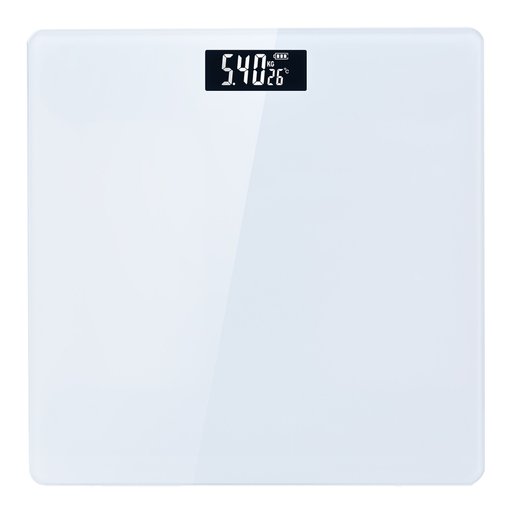
Why this choice suits this profile: An easy-to-install scale requiring no app or assembly, for tracking everyday measurements in the bathroom or bedroom. The two required AAA batteries are not included.
The essentials are clearly stated: 180 kg capacity, LCD screen, kg/lb units and automatic shut-off. No unnecessary connected features.
4 mm tempered glass surface, LCD screen and a stated one-year warranty.
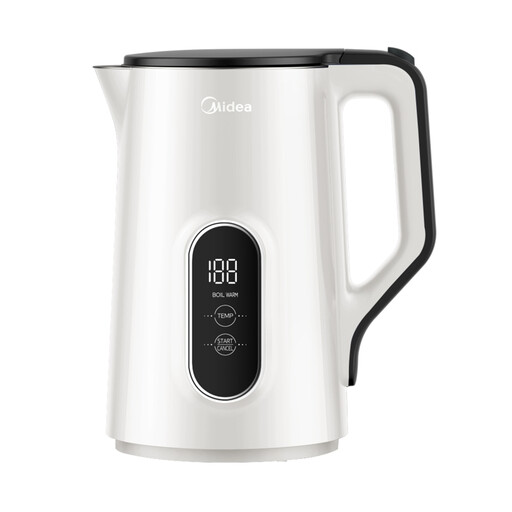
Why this choice suits this profile: This model is aimed at households that want to adjust the water temperature to suit the drink being prepared and enjoy a digital display.
The seven stated settings, from 45 to 100 °C, offer much greater precision than a simple on/off button. Capacity is nevertheless limited to 1.5 litres.
Stated power of 2,200 W, one-hour keep-warm function and double insulated wall.
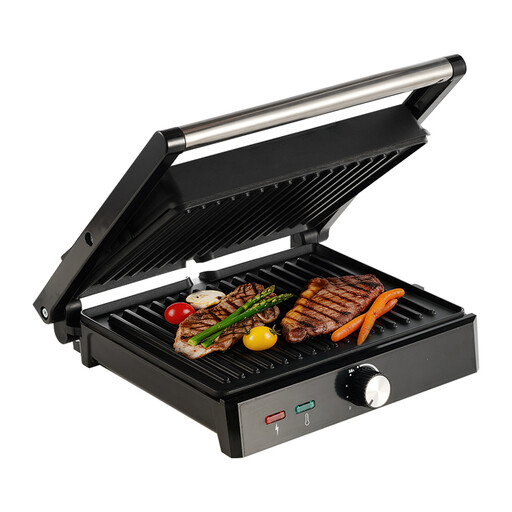
Why this choice suits this profile: Anyone who regularly prepares paninis, steaks or quick meals can combine several uses in a single appliance.
The 28 × 22 cm plates and heating on both sides are clearly stated. However, make sure you use a heat-resistant surface and avoid metal utensils.
Stated power of 2,000 W, non-stick plates and two-sided cooking.
Storage items require particular attention to dimensions and load capacity. JOYFURNOS wooden hangers are sold in packs of 20 and feature grooves designed to keep clothes in place. Each hanger supports a stated maximum static load of 5 kg. However, they should be protected from prolonged exposure to moisture and direct sunlight.
For children’s clothing, ANQI flocked hangers are approximately 29.5 cm wide and are sold in packs of 20. Their soft coating may help reduce the risk of slipping, but the product description notes that a few fibres may be present during first use. These are precisely the details that matter more than a simple photo of a perfectly tidy wardrobe.
When it comes to fitness accessories, a 3 mm PVC yoga mat may be suitable for floor exercises, Pilates and stretching. Its compact size makes it easy to store, but anyone with sensitive joints should check the thickness and cushioning before ordering.
Connected devices, wellness products, office supplies and non-alcoholic drinks are subject to different criteria: compatibility, composition, format, best-before date and storage conditions. In every case, it is better to read the label and product description than rely solely on marketing claims.
Start with the items that meet your most frequent needs: kitchen utensils, storage solutions, lighting, cleaning products or small household appliances. A scale, kettle, floor mat or notebook can round out your home equipment without requiring any particular installation. Above all, avoid accumulating several products designed for exactly the same purpose.
Choose a capacity suited to the number of users, avoid running the appliance empty and unplug equipment that is unnecessarily left on standby. For heated appliances, consider the power rating alongside the actual usage time. A powerful model is not necessarily more energy-hungry if its cycle is shorter: the intended use is what should guide your decision.
Follow the recommendations in the instructions, use the recommended cleaning products and avoid thermal shock. A non-stick surface should be cleaned with a soft sponge, while an electronic device must be kept away from water. Button batteries, particularly those used in connected trackers, should be replaced and stored out of children’s reach.