
Livraison le jour même ou le lendemain

Qualité garantie

Débloquez vos offres de bienvenue: Livraison GRATUITE | Jusqu'à -80 % | 30 jours d'essai gratuits à JoyPlus
Téléchargez l'application
Buying everyday products online lets you quickly compare sizes, prices and features. But a well-presented product page isn’t always enough to make the right choice for your household. Between marketing claims, photos that lack detail and scattered information, certain pitfalls crop up time and again.
A one-litre bottle or a family pack might seem like better value. Before you add it to your basket, think about how often you’ll use it, how long it lasts once opened, and how much space you have in your kitchen or bathroom. For something you only use now and then, a large size is more likely to end up in the bin.
Phrases like “long-lasting protection”, “soft skin” or “anti-mark” need to be taken with a pinch of salt. The ingredients, compatible surfaces, application time and safety instructions are far more useful when judging a product. For food items, the allergen list and nutritional information deserve your full attention too.
Not every product works with every appliance or surface. Blood glucose test strips, for example, must be used with the compatible meter shown on the packaging. A toilet gel for septic tanks needs to clearly state that it’s suitable for that purpose. Similarly, a car leather cleaner may not be recommended for suede or nubuck.
Compare the net contents, not just the price shown: grocery items are measured in grams, while cleaning products and personal care items are usually given in millilitres. A 490 g bottle of Amora barbecue sauce or a 360 g jar of Maille Dijon mustard won’t be used up at the same rate as a professional-sized pack.
For kitchen accessories, the capacity should match your habits. A 500 ml stainless steel oil dispenser is fine for daily use without taking up too much room. A 1,000 ml model means fewer refills, but it’s also bulkier and heavier once full.
The material affects how long the product lasts, how easy it is to clean and how safe it is to use. 304 stainless steel is often chosen for kitchen accessories that come into contact with liquids. Don’t forget the other parts either: a wooden handle, silicone parts, seals or a pouring spout may need special care.
For car products, surface compatibility is non-negotiable. The Meguiar’s car leather cleaner shown below is designed for leather surfaces, not suede or nubuck. If you’re unsure, always test it on a small, hidden area first.
Before you check out, look for:
Never mix a bathroom limescale remover with bleach or any other cleaner. For a depilatory cream designed for sensitive skin, follow the patch test, application area and leave-on time stated by the manufacturer. Blood glucose test strips are for in vitro diagnostic use only and do not replace advice from a healthcare professional.
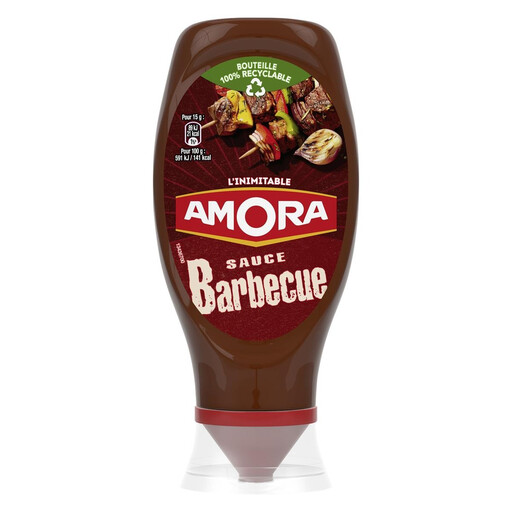
Why this suits this profile: The squeezy bottle makes it easy to portion out the sauce for family meals, barbecues and sides, with no extra preparation needed.
The net weight, allergens and storage instructions after opening are all listed, so you can check the product matches your needs.
490 g, squeezy bottle and ready to use. Contains fish, gluten and mustard.
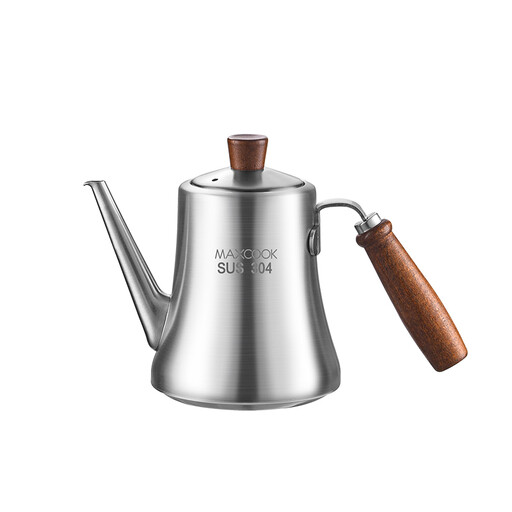
Why this suits this profile: Its compact size and handle combining steel and wood fit neatly into a kitchen where precise pouring matters.
The product page details the materials, capacity and hand-wash care. No need to guess whether it’s dishwasher or microwave safe.
304 stainless steel, precision pouring spout, dust cap and wide opening for easy refilling.
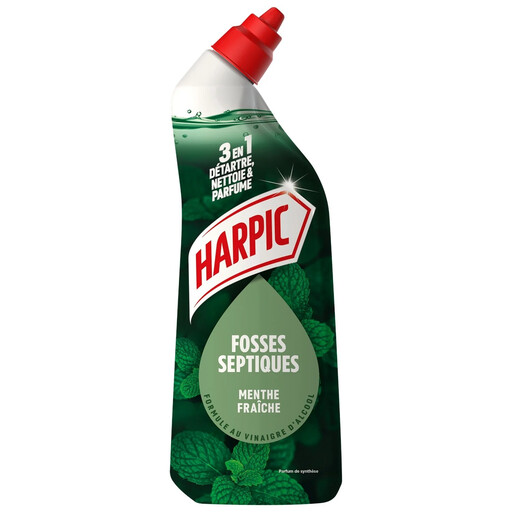
Why this suits this profile: It’s aimed at households with a septic tank who want a product explicitly designed for that use.
Its suitability for toilets connected to a septic tank is clearly stated. However, never mix it with other cleaning products.
750 ml, vinegar-based formula and mint fragrance. Wear gloves if needed and avoid contact with eyes.
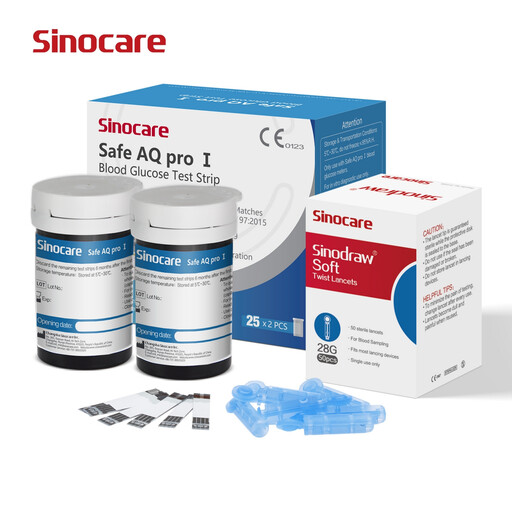
Why this suits this profile: The pack of two 25-strip bottles can work for regular monitoring, as long as you have the compatible meter.
Check compatibility with your meter before buying. Keep the strips and lancets out of reach of children.
50 units, stated 1 µl sample and result in 5 seconds according to the product page. Follow your healthcare professional’s advice.
The same thinking applies to Maille Dijon mustard, Veet depilatory cream for sensitive skin, Meguiar’s car leather cleaner and Antikal bathroom limescale remover: start by checking the intended use, surface or area, then read the safety instructions.
We’ve put together a full, real-time list of products that meet these strict selection criteria as well as European safety requirements.
Work out the price per kilogram or per litre, then factor in how long it keeps once opened. Also compare the allergens and ingredients: a lower price doesn’t always mean the product suits your diet.
It depends on the formula and the manufacturer’s instructions. Keep the bottle closed, away from heat and sunlight, and follow the information on the packaging. Never pour a chemical product into a bottle that previously held food.
Group together items you’ll actually use, compare the cost per use and avoid oversized packs if you only use something occasionally. For kitchen accessories, choose a material and capacity that suit you rather than a feature you’ll never use.