
Livraison le jour même ou le lendemain

Qualité garantie

Débloquez vos offres de bienvenue: Livraison GRATUITE | Jusqu'à -80 % | 30 jours d'essai gratuits à JoyPlus
Téléchargez l'application
Tissues, baby wipes, cotton pads and fabric accessories: everyday hygiene and personal care products take up a significant part of many French families’ budgets. But attractive packaging doesn’t necessarily mean a product is right for your needs.
Before you fill your basket, watch out for these three common pitfalls:
When buying products for baby care or sensitive skin, choose a product page that clearly sets out the materials and directions for use. Fragrance-free baby wipes may suit people who want to limit their exposure to fragrance ingredients. However, fragrance-free doesn’t guarantee that a product will be suitable for everyone. Stop using it at the first sign of discomfort and ask a healthcare professional for advice.
The claim ‘99% purified water’, when shown on a product page, describes a specific composition, but you should still check the full list of ingredients. For biodegradable wipes, also check the material they’re made from and the disposal instructions. A plant-based fibre doesn’t mean a wipe can be flushed down the toilet.
Cotton pads and make-up remover pads are generally designed for single use, whereas cotton muslins can be washed and reused. This makes a direct difference to both your budget and the amount of waste you produce.
The number of plies is a simple way to compare tissues. 3-ply tissues have a thicker construction than single-ply tissues, and are generally more comfortable and stronger. Remember to check how many tissues are in each box, as well as the size of each pack.
For baby fabrics, check the number of layers, the dimensions and the washing instructions. A 50 × 30 cm cloth won’t be quite as suitable for the same uses as a 50 × 25 cm one. A larger size can be handy for spills, nappy changes or drying, but it’ll also take up more room in your changing bag.
Compare the total number of items, not just the price shown. For example, Lotus Classic+ tissues are available in packs of 2, 3 or 4 boxes, with 80 tissues in each box. So the maths is simple:
The largest pack isn’t automatically the best value if you’re short on space or only use tissues occasionally. On the other hand, a larger pack can save you from having to place frequent orders if your household uses Lotus Classic+ tissues every day.
For wipes, think about storage too. Seal the pack carefully after each use to help prevent the wipes from drying out. Disposable wipes should not be washed or reused.
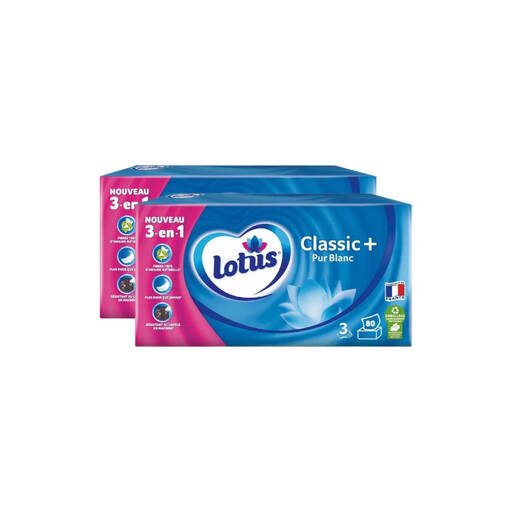
Why it suits this type of shopper: This pack of two boxes lets you try the format without taking up too much storage space. It’s a good choice for smaller homes and people who use tissues in moderation.
The total number of tissues is clearly stated: 2 boxes of 80, giving you 160 tissues. That makes it easy to compare the price per tissue, rather than judging value by pack size alone.
3-ply construction, 100% naturally sourced fibres according to the product page, recyclable packaging and made in France, as stated.
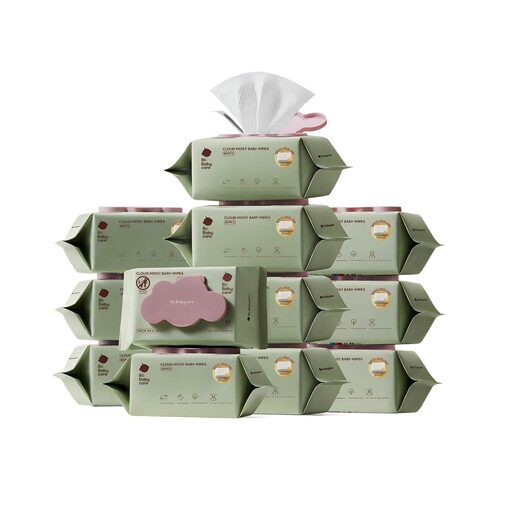
Why it suits this type of shopper: With 12 packs of 80 wipes, this is a good choice for households looking to stock up for days out, nappy changes and everyday care.
The product page confirms that the wipes are fragrance-free and made with a plant-based fibre material, and includes instructions for resealing the pack. It also advises against flushing the wipes down the toilet.
960 wipes in total, OEKO-TEX certification noted on the product page, and a material described by the manufacturer as biodegradable and plastic-free.
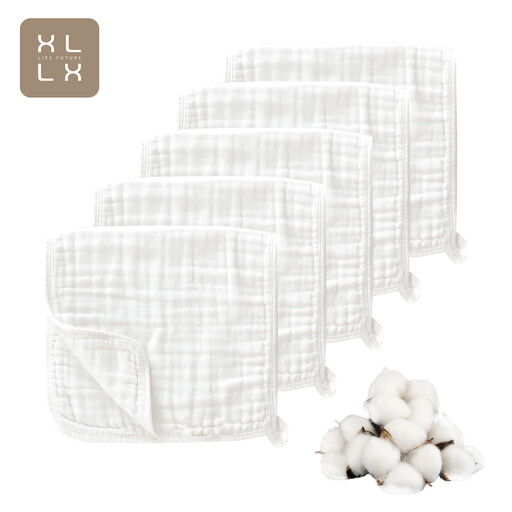
Why it suits this type of shopper: These reusable muslins are ideal for parents who like to have several care essentials to hand, both at home and in the changing bag.
The product is listed as 100% cotton, with six layers, and can be washed at 40 °C. This gives you a clear idea of how to care for it before you buy.
Pack of 5, measuring 50 × 30 cm, with six absorbent layers and a washable design. The manufacturer recommends air-drying to help prevent shrinkage.
We’ve put together a comprehensive, real-time selection of products that meet these demanding criteria and comply with European safety regulations.
No. No formula suits everyone in the same way. Check the ingredients, try the product cautiously on a small area of skin, and stop using it at the first sign of redness or discomfort. Avoid contact with the eyes and mouth, following the manufacturer’s instructions.
Keep dry products in a clean, dry place away from direct sunlight. For wipes, reseal the pack carefully after each use. Check the date or period of use shown on the packaging, and don’t reuse a pack if the contents have changed in smell, appearance or texture.
No, unless the packaging explicitly says they can and complies with the relevant requirements. The wipes featured here should be put in the bin. This helps reduce the risk of blockages in household pipes and drainage systems.