Households making several coffees at home
If you regularly prepare espressos, compare the purchase price, the cost of consumables and the time required for maintenance before choosing a machine type.


Choose a capsule machine if saving space and keeping preparation very simple are your top priorities, checking the capsule format and ongoing cost first. For frequent espressos, a bean-to-cup machine may suit you if you are happy with the purchase price, noise and maintenance: Que Choisir reports that the cost per cup is two to three times lower than that of a pod espresso, although the initial investment is higher.
If you regularly prepare espressos, compare the purchase price, the cost of consumables and the time required for maintenance before choosing a machine type.
A compact, fast machine can simplify your daily routine. For capsules or pods, check the compatible format first, along with your usual purchasing options.
A bean-to-cup machine can suit frequent use if you are happy to pay more upfront and take care of cleaning, descaling and the potential noise from grinding.
Start with how often you prepare coffee, then compare the coffee format, the space required and the maintenance routine you are prepared to follow.
| Priority | What to check | Your needs |
|---|---|---|
| Total cost and consumables | Compare the machine price with the current cost of capsules, pods, ground coffee or beans. For a bean-to-cup machine, consider how many coffees you need to make before recouping the higher initial outlay. | I want to avoid a convenient format pushing up my spending over the weeks. I also check that refills fit my usual shopping habits. |
| Maintenance and descaling | Check the model’s instructions for descaling, cleaning contact parts and approved products. Also make sure the brand provides access to manuals and support. | I can fit regular maintenance into my routine, but I want it to remain realistic. |
| Noise and speed | For a bean-to-cup machine, look for information about the noise level of the exact model. Compare preparation time, tank capacity and whether it can prepare one or two cups. | I want a quick coffee in the morning without an appliance becoming a nuisance in an open-plan kitchen. |
| Space and waste | Measure the available space, including room to open containers and tanks. For capsules, check your local recycling guidance according to their material. | My worktop space is limited and I want a portion format that fits with the way I manage waste. |
Most capsule machines are tied to a specific format. A compact machine could therefore lock you into a refill system and level of spending that you have not compared.
Identify the exact system, compare the cost of the capsules you actually use and check your usual purchasing options before making a decision.
The recurring cost of capsules can add up significantly with daily use.
Potential savings on the cost per cup depend on how often you use it, the price of the beans and maintenance. The grinder’s noise and daily cleaning tasks also matter in a kitchen used every day.
Estimate how many coffees you make, check the maintenance instructions and look for reviews covering the noise level of the exact model.
Allow time for the cleaning and descaling products needed as part of the maintenance routine.
Instructions vary according to the machine, how often it is used and the hardness of the water. Following general advice instead of the manual can result in unsuitable maintenance.
Follow the instructions for the exact model, take account of the appliance’s alerts and use only products approved by the manufacturer.
Recycling a capsule does not eliminate the waste associated with individual portions. ADEME recommends following the guidance that applies to the capsule material.
If you choose capsules, recycle them according to local guidance. If reducing packaging is a priority, also compare portafilter and bean-to-cup options.
A capsule-system brand offering online capsule sales in France and dedicated, model-specific machine support.
A brand of machines and capsules sold in France, offering several systems and models presented as compact and easy to use.
A soft-pod option represented by Senseo machines sold in France, with some models designed to prepare one or two cups quickly.
A brand available in France for bean-to-cup and manual espresso machines, with a range of appliances and support resources.
These Joybuy options cover soft-pod, portafilter and bean-to-cup machines for preparing espressos regularly at home.
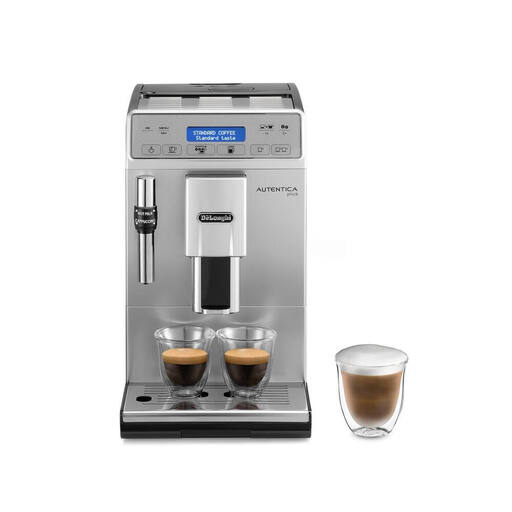 Image unavailable
For households wanting to prepare one or two cups with an integrated grinder and automatic programmes.
13 grind settings, 200 g bean container, 1.4 L tank, dual Thermoblock and a choice of beans or pre-ground coffee.
Check the grinder’s noise level, the space required by its dimensions of 194 × 340 × 477 mm and its weight of 9.5 kg.
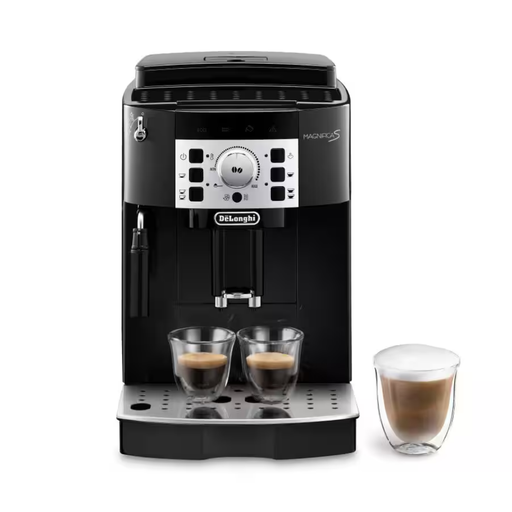 Image unavailable
For a daily routine using beans or pre-ground coffee, with the advertised ability to prepare two cups.
Adjustable conical grinder, 1.8 L tank, pre-ground coffee hatch, water filter and descaling alerts.
Check the grinder’s noise level and the machine’s actual footprint before installing it in a restricted space.
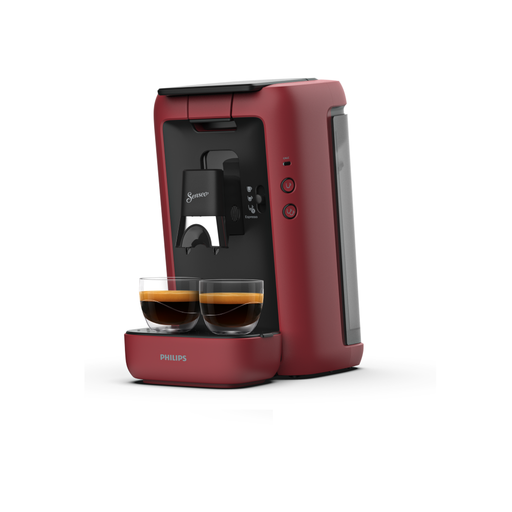 Image unavailable
For quick preparation with Senseo pods when simplicity and speed are the priority.
One or two cups in under a minute, according to the advertised specifications, 1.2 L tank, Memo function, descaling light and removable dishwasher-safe parts.
Check the current availability and cost of Senseo pods through your usual shopping channels.
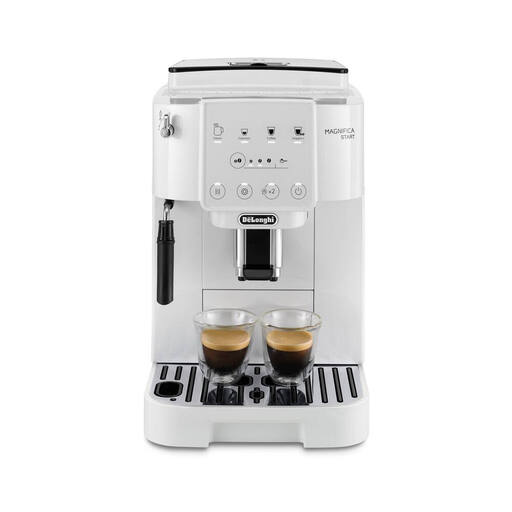 Image unavailable
For households wanting an automatic bean-to-cup machine with straightforward settings for everyday espressos.
Three one-touch recipes, conical grinder with 13 settings, 1.8 L tank, 250 g bean container and two-cup preparation.
Allow space for its dimensions of 240 × 440 × 350 mm and check the grinder’s noise level if this is important to you.
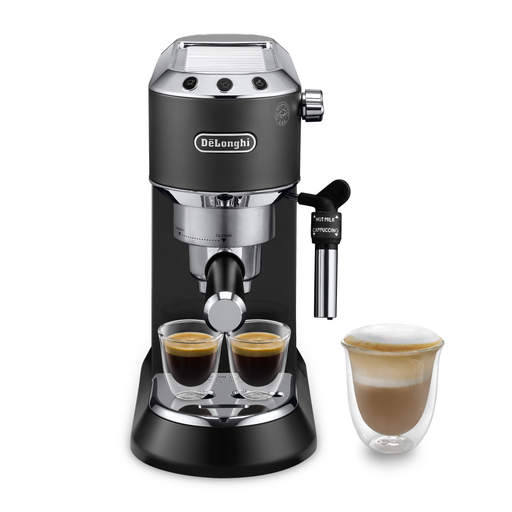 Image unavailable
For a small worktop and a more hands-on preparation method using ground coffee or ESE pods.
Advertised width of 149 mm, filters for one cup, two cups and ESE, with temperature and water-volume settings.
The routine includes rinsing the portafilter and cleaning the steam wand after use; check the instructions for descaling.
There is no universal schedule: it depends on the machine, how often it is used and the hardness of the water. For NESCAFÉ Dolce Gusto Original machines, the brand recommends descaling every two to three months depending on usage; always follow the instructions and alerts for the model you have bought first.
ADEME states that aluminium or plastic capsules should go in the recycling bin, bag or container for paper and packaging. Paper capsules can be composted at home, in a shared composting scheme or with food waste where a suitable local service is available.
Official French channels confirm that Nespresso sells capsules online and provides support, while Dolce Gusto offers machines, capsules and maintenance information. Philips sells Senseo machines in France and De’Longhi provides manuals and support for its bean-to-cup espresso machines; check stock, the compatible format and the exact model before buying.
No, not automatically. Que Choisir estimates that the cost per cup of a bean-to-cup espresso is two to three times lower than that of a pod espresso, but the machine requires a higher initial investment. The value depends on the machine price, the beans you choose, maintenance and the number of drinks you actually prepare.