To minimise preparation
If you mainly make short or long coffees without measuring, tamping or grinding for every cup, start by comparing capsule and pod systems. Make sure you check which consumables are compatible and how much they cost to use.


Start by choosing the brewing system that suits your daily routine: capsules for maximum simplicity, soft pods for longer coffees, a portafilter for hands-on preparation, or a grinder so you can use coffee beans. According to UFC-Que Choisir, a bean-to-cup machine requires a higher initial investment but can reduce the cost per cup compared with pod espresso. Before deciding, also check the maintenance requirements, noise level and milk system.
If you mainly make short or long coffees without measuring, tamping or grinding for every cup, start by comparing capsule and pod systems. Make sure you check which consumables are compatible and how much they cost to use.
A bean-to-cup machine suits households that are happy to accept a more demanding appliance to clean in exchange for choosing their own beans. UFC-Que Choisir states that the cost per cup can be lower than with pod espresso.
A milk carafe or frother can be worthwhile if cappuccinos and lattes are regular favourites. Check the cleaning steps required after use, as well as how the components are removed and washed.
First compare the consumables and preparation steps required, then check the maintenance and features that genuinely matter in your kitchen.
| Priority | What to check | Your needs |
|---|---|---|
| Maintenance and descaling | Descaling procedure, manual steps, accessible drip trays and water tanks, washable parts and the exact reference for accessories. | I want to keep my machine clean without dealing with an unreasonable number of steps for my everyday coffees. |
| Consumables and running costs | Compatible capsule or pod format, whether ground coffee or beans can be used, availability and typical pack sizes. | I want to avoid buying an affordable machine that then forces me to use a restrictive or expensive coffee format. UFC-Que Choisir estimates that the cost per cup of a bean-to-cup machine can be two to three times lower than that of pod espresso. |
| Noise and convenience | Noise level measured for the model, vibrations, access to the water tank and trays, and capacity suited to the number of coffees prepared. | In a shared home or when making coffee early in the morning, I prefer a machine whose noise level and preparation steps are clearly documented. |
| Milk-based drinks | Type of frother, recipes genuinely available, cleaning after each milk-based drink and removable components. | I only want to pay for a carafe or integrated frother if milk-based drinks are frequent enough to justify the extra maintenance. |
The system determines which coffees you can use and what you will need to buy regularly. For example, Nespresso France states that a Vertuo machine is only compatible with Nespresso Vertuo capsules.
Identify the exact system, compatible formats and buying options that suit you before comparing machines.
A milk function adds cleaning tasks after milk-based drinks. De’Longhi specifically states that its LatteCrema systems need cleaning after each serving.
Only choose a carafe or integrated frother for regular use, then check the required steps in the model’s instruction manual.
Capsules can increase running costs, while a bean-to-cup machine costs more to buy. UFC-Que Choisir states that the cost per cup can potentially be lower with a bean-to-cup machine than with pod espresso.
Compare the machine and coffee costs over a realistic period for your household, using the consumables you will actually buy.
Grinding, rinsing and dispensing can create noise and vibrations, while a bean-to-cup machine contains several components that need maintaining.
For early-morning use or a flat, look for tests of the exact model and check access to the trays, water tank and brewing unit if it is removable.
A capsule-machine ecosystem with the Original and Vertuo systems. Your choice starts with the drink sizes and capsule format you want.
The range includes Senseo soft-pod machines and bean-to-cup espresso machines: two different approaches to everyday coffee.
The brand offers bean-to-cup espresso machines ranging from models focused on straightforward coffee to appliances with automatic milk-based drinks.
This Joybuy selection includes capsule, soft-pod and bean-to-cup espresso machines for making everyday coffee at home.
 Image unavailable
For households that regularly prepare bean-to-cup coffee and milk-based drinks.
1.8 L water tank, 275 g bean hopper, 12 grind settings, adjustable volumes and removable brewing unit. The AquaClean filter is compatible but not included; also check the maintenance requirements for the LatteGo system.
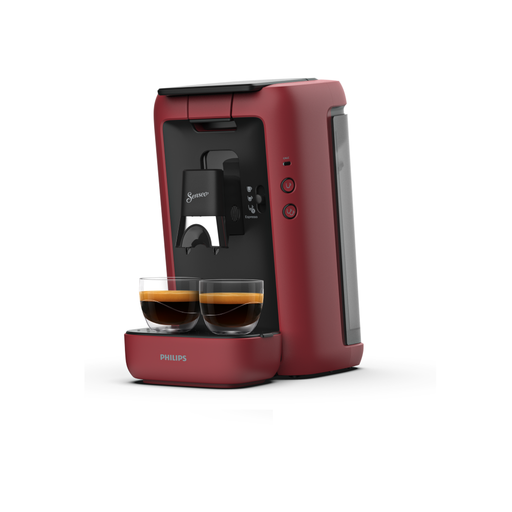 Image unavailable
An option for simple everyday coffees, making one or two cups without grinding or tamping.
1.2 L water tank, Memo function for volume and strength, adjustable spout and descaling indicator. Check which Senseo pod format it accepts and the cost of consumables for your usage.
 Image unavailable
For preparing coffee from beans or ground coffee, with the option of manually frothing milk from time to time.
1.8 L water tank, adjustable grinder, two-cup function, water filter, steam wand and descaling programme. The steam wand requires manual frothing and cleaning after use.
 Image unavailable
A machine worth considering if your household alternates between bean-to-cup coffee and milk-based drinks every day.
Conical grinder with 15 settings, 1.5 L water tank, touchscreen, dual boiler, six advertised drinks and storable coffee and milk settings. Consult the manual for instructions on cleaning the milk system.
 Image unavailable
Ideal for smaller worktops, making an espresso or lungo with ease.
Removable 0.6 L water tank, Espresso 40 ml and Lungo 110 ml volumes, automatic shut-off and dimensions of 8,4 × 33 × 20,4 cm. Check which Nespresso Original capsules are compatible and the descaling requirements.
Yes, if you regularly prepare cappuccinos, lattes or similar drinks. A milk system makes preparation easier but adds maintenance: De’Longhi requires cleaning after every serving on its LatteCrema systems, while Philips states that some LatteGo carafes can be dismantled and are dishwasher-safe.
Read the model’s manual to find out about the procedure, how long it takes, the manual steps involved, the products or filters required and the maintenance alerts. UFC-Que Choisir assesses these points, along with the trays, water tanks and any brewing units found in bean-to-cup espresso machines.
No, compatibility depends on the specific system. UFC-Que Choisir states that most brands accept only one type of capsule; Nespresso specifically states that a Vertuo machine is only compatible with Nespresso Vertuo capsules.
Make a note of the full model code before buying, then check the parts, accessories, filters and service contact details available for that reference. For example, Philips asks for the product reference to identify compatible parts and accessories.
ADEME states that aluminium or plastic coffee capsules should go in the recycling bin, bag or container for paper and packaging. For paper capsules, check the composting or food-waste recycling options available near you.