
Livraison le jour même ou le lendemain

Qualité garantie

Débloquez vos offres de bienvenue: Livraison GRATUITE | Jusqu'à -80 % | 30 jours d'essai gratuits à JoyPlus
Téléchargez l'application
With promises of instant results, jumbo sizes and products that claim to do it all, buying everyday cleaning and care products can quickly send your shopping bill through the roof. A bathroom cleaner won’t necessarily be suitable for a car body, while a personal care accessory calls for a few specific precautions.
Here are the key factors to consider before you order, along with a selection of products suited to different uses in the UK.
The term “multi-purpose” doesn’t guarantee a product will work on every surface. It may need a thorough rinse, be unsuitable for certain materials, or leave marks on delicate finishes. Before applying anything to aluminium, marble, car paint or a varnished surface, check the label carefully.
A multi-surface cream cleaner can work on many materials, but that doesn’t mean it’s suitable for screens, untreated wood or particularly fragile surfaces.
A large bottle is only good value if it’s still easy to measure out and store. For regular use, compare the volume, the recommended amount per application and how often you’ll use it. A 2-litre format can be cost-effective in a household that cleans frequently, but it might be overkill for occasional use.
A silicone sealant removal tool usually has a pointed end or a finishing blade. Handle it with care and test it on an inconspicuous area first. Similarly, a drain-clearing and maintenance gel that contains bleaching agents must never be mixed with an acidic product, ammonia or another drain cleaner.
Personal care products also require caution. An ear-cleaning accessory fitted with a camera is not a substitute for medical advice and should never be inserted deep into the ear canal.
Start by identifying exactly what you’re treating:
A thick formula stays on a surface longer, while a spray spreads quickly over a large area. In both cases, follow the contact time stated by the manufacturer. Letting a cleaner dry can cause streaks and make rinsing harder.
For blackhead patches, adhesion depends partly on the area being properly damp. Bioré recommends leaving them on for 10 to 15 minutes and using them no more than once every three days. They are not suitable for irritated, sunburnt or very dry skin.
Household products must be kept out of reach of children and stored in their original packaging. If the formula is irritating to skin or eyes, wear the recommended protection and ventilate the room.
A silicone blackhead cleaning tool should be washed after each use with warm water and mild soap, then left to air dry. Don’t press too hard. If redness or irritation occurs, stop using it immediately.
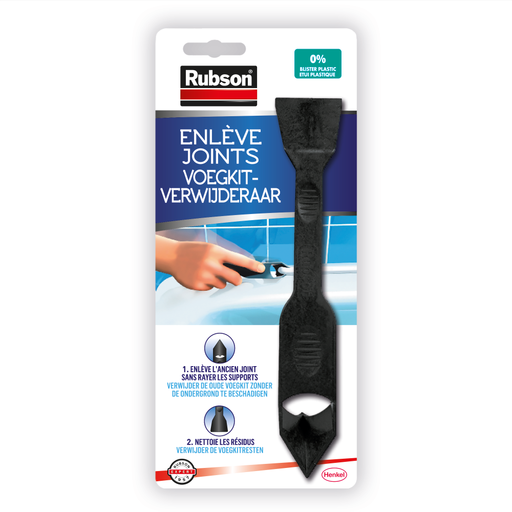
Why this suits this profile: this silicone sealant removal tool requires no assembly and is ideal for small renovation jobs around a basin, bath or window.
Its two ends mean you don’t need multiple tools to remove the old sealant and then clear away residue. However, it’s best to test the scraper on an inconspicuous area before you start.
A pointed end to lift the sealant, a flat scraper for finishing and an ergonomic handle. The manufacturer states it can be used on several sanitary materials.
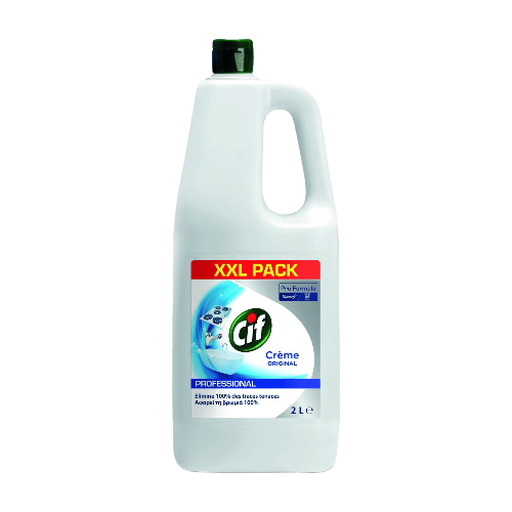
Why this suits this profile: its large size is aimed at households that clean often or want to stock up for several rooms.
This formula is designed to be applied to a damp cloth or sponge, rather than poured directly onto the surface in large amounts.
A 2-litre capacity, an easy-rinse formula and suitability for various surfaces, as per the manufacturer’s instructions.
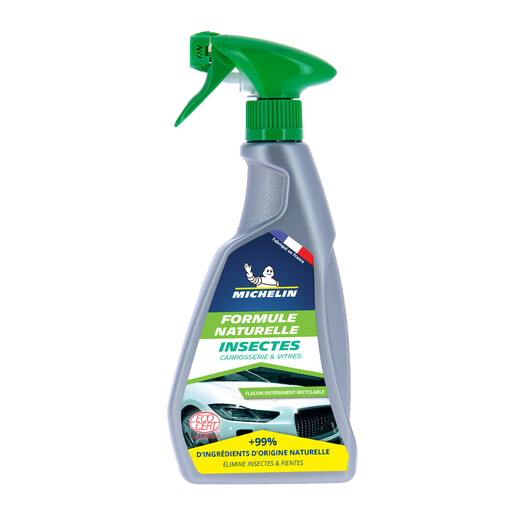
Why this suits this profile: it’s designed for drivers who regularly need to remove insect marks, bird droppings and grime from their car’s bodywork.
The 500 ml spray has a level indicator and an ergonomic trigger. It should not be applied to a hot surface.
The product is stated to be compatible with bodywork, windows, headlights, the grille and bumpers. Over 99 % of its ingredients are reportedly of natural origin.
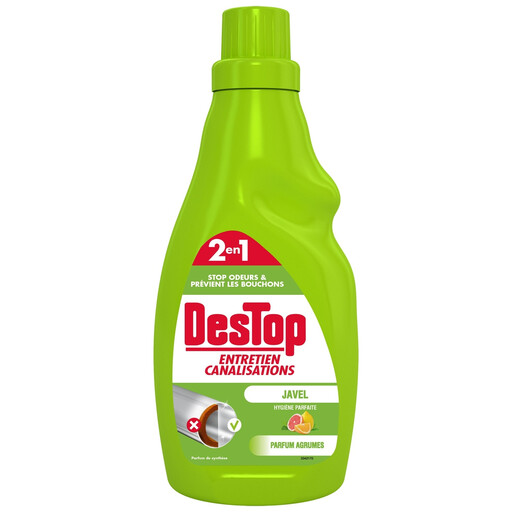
Why this suits this profile: this size is suitable for regular maintenance of drains in a house or flat, provided you follow the label instructions carefully.
The manufacturer states it is compatible with PVC and metal pipes. However, the formula contains bleaching agents and must never be mixed with other products.
A 750 ml size and a thick formula said to work in four ways: dissolving organic matter, reducing odours, cleaning and maintaining the pipes.
Personal care products require more careful selection than household cleaners. For blackheads, patches are removed gradually after dampening the area, while a silicone tool should be cleaned after each use. In all cases, keep a light touch.
An ear-care accessory fitted with a camera and replacement tweezers must be used with great restraint. Never insert anything deep into the ear canal, don’t share the accessory without cleaning it properly, and stop immediately if you experience pain, bleeding or persistent discomfort.
For removing limescale, the choice of bathroom limescale spray also depends on the surface. ANTI-KAL Original spray is said to be effective against limescale, soap and water marks, thanks to an anti-drip technology. Follow its warnings regarding eyes, skin and ventilation, and do not mix it with other cleaners.
It depends on the formula and the instructions on the packaging. Keep the bottle closed, away from heat and sunlight. If the smell, texture or colour changes, check the manufacturer’s recommendations before using it again.
No. Never mix a drain gel with bleach, an acidic product or ammonia. These combinations can release dangerous fumes. Use one product at a time and only rinse if the label says so.
Choose a size that matches how often you clean, stick to the recommended dosage and go for reusable accessories that are easy to wash. The cost per use is often more telling than the price of the bottle alone.