Residents for whom avoiding caffeine is a priority
If this is a key consideration when choosing an evening drink, look for the words ‘caffeine-free’ or ‘theine-free’ on each product. Carrefour’s product information for KROON rooibos uses both terms.


For an evening meal in a care home, start with an herbal tea whose product information or packaging explicitly states that it is caffeine-free, rather than relying on the name of the range. Plain rooibos makes the ingredients easy to check; a fruit blend or cold infusion may suit other preferences, provided you check its ingredients, preparation method and any individual serving instructions.
If this is a key consideration when choosing an evening drink, look for the words ‘caffeine-free’ or ‘theine-free’ on each product. Carrefour’s product information for KROON rooibos uses both terms.
A drink should also suit the resident’s preferences and fit in with the meal. France’s National Authority for Health highlights refusing drinks and loss of taste as factors to monitor in care homes.
If a resident has swallowing difficulties, a prescribed texture or medication to take into account, the flavour and ‘caffeine-free’ label are not enough. The drink and how it is prepared must follow the care team’s instructions.
For an evening drink, first check the caffeine information and any individual texture instructions. You can then compare the taste and preparation format of products that meet these requirements.
Consider this: if a short ingredient list and an easy-to-spot caffeine-free or theine-free label are your priorities.
Bear in mind: its flavour may be less appealing than a fruit blend. The temperature and texture must still be adjusted to suit individual instructions.
Consider this: if the resident prefers a fruity flavour and the chosen product carries the label you’re looking for. Kusmi Tea describes AquaRosa as theine-free.
Check: the recipe’s ingredients, especially if medication or an individual restriction needs to be taken into account.
Consider this: only if a cold drink is suitable for the meal and the resident’s instructions.
Bear in mind: it is not a substitute for a hot drink. Lipton Mango Rooibos product information says to steep it for five minutes in 500 ml of cold water.
To compare priorities, each consumer is assigned the criterion that matters most to them in this context.
| Criterion | What to check | Who is it for? |
|---|---|---|
| Caffeine-free or theine-free | The exact wording on the product information or packaging, and the chosen product’s ingredients list. | I want to be able to check quickly what’s in the drink served in the evening. Around 36% of consumers would put this check first. |
| Texture and swallowing | The prescribed texture and preparation instructions from the care team. | If a resident’s swallowing is monitored, I need to know how to serve their drink. Around 29% of consumers would make this compatibility their priority. |
| Taste and willingness to drink | The resident’s preferences and the ingredients in a flavoured recipe. | I’m looking for a flavour the resident will enjoy, without overlooking their other care instructions. Around 21% of consumers would put taste first. |
| Preparation and serving | The number of tea bags, volume of water, steeping time, and whether it is served hot or cold. | When several drinks are being prepared for a meal, I need to be able to organise their preparation and distribution. Around 14% of consumers would make ease of preparation their main criterion. |
The word ‘wellbeing’ tells you nothing about a product’s ingredients. KROON, ÉTHIQUABLE and Lipton product information uses caffeine-free or theine-free claims, which you should check for each product.
Keep the full product name, ingredients list and relevant claim with the information used for purchasing and serving.
A caffeine-free herbal tea is not automatically suitable for someone at risk of choking. France’s National Authority for Health stresses the importance of assessing risk and providing individual texture instructions.
Before changing the drink or how it is prepared, check the care record and the team’s instructions.
According to France’s public health insurance system, some drinks can affect how medicines work. This does not mean that a particular herbal tea interacts with a specific medicine, but it does make the ingredients important to check.
If the resident takes several medicines or has a specific instruction, share the ingredients list with the relevant healthcare professional before serving.
The brand describes AquaRosa, made with hibiscus and fruit, as an organic, theine-free infusion that can be enjoyed hot or iced.
Carrefour describes its Lipton Mango Rooibos cold infusion as caffeine-free.
Carrefour sells KROON rooibos in a box of 20 tea bags, described in its product information as containing no additives, caffeine or theine.
Auchan’s product information lists ÉTHIQUABLE The Rooibos Afrique du Sud in a box of 20 tea bags, made with rooibos alone.
These products offer a range of flavours and preparation methods to consider for an evening drink. Check the caffeine information on the product you receive, then review the ingredients and individual instructions before serving. A cold infusion is for a different purpose from a hot drink.
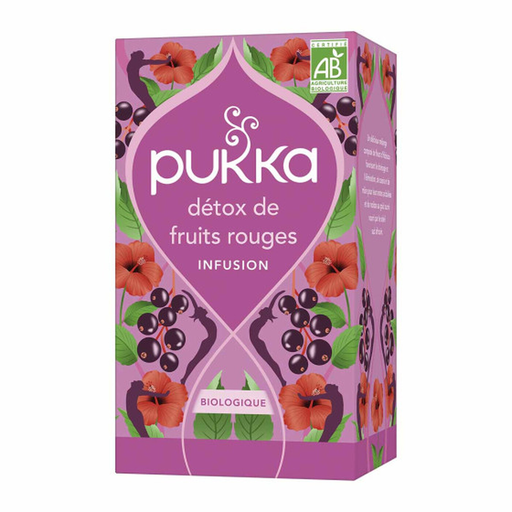 Image unavailable
Consider this if a hot fruit infusion suits the resident’s preferences; the product information describes it as caffeine-free.
The instructions say to use one tea bag per 200 ml of boiling water and steep for five to ten minutes. This blend contains several botanicals. If medication or individual instructions need to be taken into account, ask someone qualified to check the ingredients, and follow the prescribed texture.
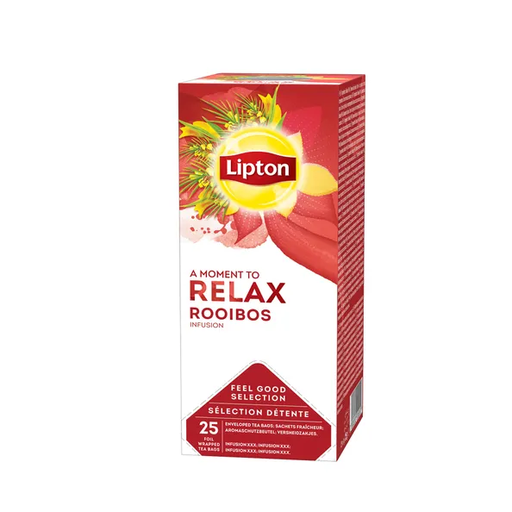 Image unavailable
Worth considering if you’re looking for rooibos tea bags whose product information says ‘caffeine-free’.
The product information lists rooibos as the ingredient. Check the steeping instructions on the packaging before arranging to serve it, and follow any individual texture instructions.
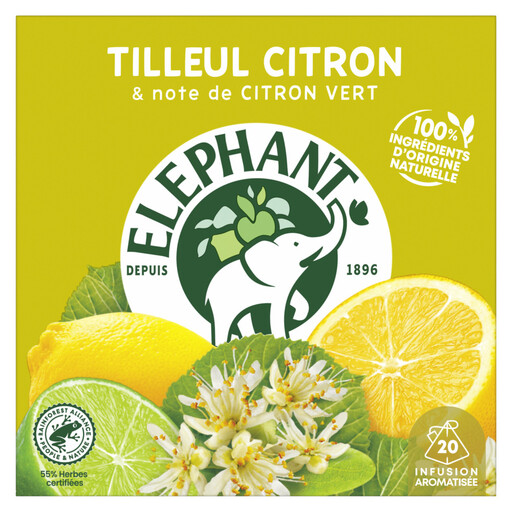 Image unavailable
An option to consider if the resident enjoys linden and lemon flavours. Check the ingredients and caffeine information on the packaging.
Check the steeping instructions before serving, too. If there are allergies or instructions relating to medication or texture, ask the relevant care team to confirm that the ingredients and drink are suitable.
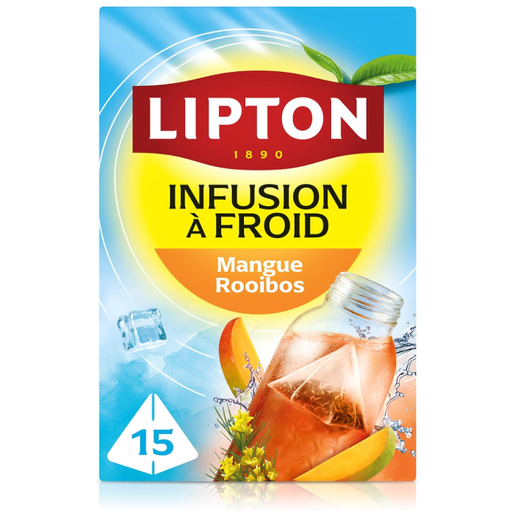 Image unavailable
Consider this only if a cold drink suits the meal and the resident’s instructions. The product information describes this rooibos and mango infusion as caffeine-free.
The instructions say to steep it for five minutes in 500 ml of cold water. It is not a substitute for a hot drink if one is preferred, or for a prescribed texture.
Look for an explicit ‘caffeine-free’ or ‘theine-free’ label on the product you’ve chosen, then read its ingredients list. Carrefour’s product information for KROON rooibos says it contains neither caffeine nor theine; Auchan’s information for its ÉTHIQUABLE infusion says it contains no theine.
No. If a resident is at risk of choking or has a prescribed texture, their drink must follow their individual instructions. France’s National Authority for Health recommends assessing risk and following a set protocol for texture management. A caffeine-free label does not address this.
Share the ingredients list with the care team or pharmacist if a potential interaction needs to be checked. France’s public health insurance system says that some drinks can affect how medicines work, but this does not mean that every herbal tea interacts with every medicine.