People who work out in the evening
If you want a packaged snack after a late workout, the amount of protein in the bar you eat matters more than the word ‘protein’ on the packaging alone.


For a chocolatey snack after an evening workout, start by comparing the protein per bar and checking what the ‘high protein’ claim means. If you’re looking for a light snack before bed, also check the portion size, sugars, energy, ingredients and allergens: a low-sugar bar isn’t necessarily a small snack.
If you want a packaged snack after a late workout, the amount of protein in the bar you eat matters more than the word ‘protein’ on the packaging alone.
If reducing sugar is your priority, compare the energy per serving too, and check the ingredients for sweeteners or polyols, as well as allergens.
A smaller bar may suit you if you fancy a lighter evening snack. If so, check the protein per bar: you can’t work it out from the figures given per 100 g alone.
Start with what matters most to you — protein per bar, sugar or snack size — then compare the figures for the portion you plan to eat.
| What to check | Look for | Who is it for? |
|---|---|---|
| Protein per bar | Check the grams of protein per serving. Under European Regulation (EC) No 1924/2006, the ‘high protein’ claim is subject to a condition based on the proportion of energy provided by protein; it doesn’t, by itself, tell you how much protein is in each bar. | After a late workout, I want to know what the whole bar provides, rather than comparing figures per 100 g alone. Around 50% of consumers in this group would prioritise the amount per serving. |
| Sugars and ingredients | Compare the sugars and energy per bar, then check the ingredients for sweeteners, polyols and allergens. | For my evening snack, I’m mainly looking to limit sugar, without assuming that this also reduces the energy in the portion. This would be the priority for around 30% of consumers. |
| Snack size | Check the weight, energy and protein in the individual bar, rather than looking only at figures per 100 g. | Before bed, I prefer a smaller portion, even if one bar provides less protein. Around 20% of consumers would put this need first. |
Carrefour France lists around 2 g of sugars and 217 kcal for a 57 g white Snickers Hi-Protein Low Sugar bar. These figures apply to this variant, not every bar in the range.
Compare sugars and energy for the same serving before choosing your snack.
The product details for this Snickers variant mention sweeteners and warn that excessive consumption may have a laxative effect.
Check the ingredients and warnings on the variant you’re buying, particularly if you’re unsure how well you tolerate these ingredients.
E.Leclerc lists 30 g of protein per 100 g for Milical chocolate bars x6, while Carrefour France states 20 g of protein per bar for the Snickers and Andros Sport variants mentioned here. These figures relate to different amounts of food.
Compare individual bars and check their weight before deciding whether a portion suits your needs.
The white Hi-Protein Low Sugar variant comes in a 57 g format with a chocolate, caramel and peanut flavour profile; Carrefour France also lists it in a box of 12.
Carrefour France describes its 55 g chocolate and peanut bar as a post-workout snack.
The chocolate x6 option listed by E.Leclerc is a smaller bar, rather than a 55–57 g serving.
According to Carrefour France, this 32 g bar combines seeds, almonds and dark chocolate.
Mars Hi Protein is available in different recipes and formats from specialist retailers.
These products offer different ways to think about a chocolate bar in the evening: a portion to compare after a workout, a snack for keeping an eye on sugar, or a meal-bar format. The product name is no substitute for checking the nutritional information for each variant.
 Image unavailable
Worth considering if you want to take a bar with you after an evening workout. The name indicates a box of 10 60 g bars; compare the protein, sugars and energy in one bar on the product page, and take into account the stated presence of polyols and the warning about excessive consumption.
 Image unavailable
A format to compare if you’re looking for an individual bar to have after a workout. The listed box weighs 650 g and contains 10 bars; check the figures per bar rather than for the whole box, and check for milk, soya and wheat if these ingredients are relevant to you.
 Image unavailable
Its individual 55 g format can be compared with other bars as an evening snack. Check the protein and sugars per bar; the stated presence of polyols and the information about milk, soya and almonds are also worth taking into account.
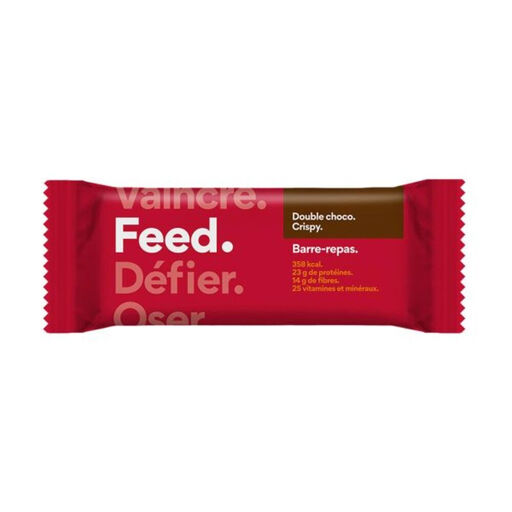 Image unavailable
This 100 g meal bar serves a different purpose from a small chocolate snack. Before choosing it for the evening, compare the whole portion with what you need and check its nutritional information and allergen details.
No. Compare the grams of protein in the bar you’ll eat. European Regulation (EC) No 1924/2006 governs the ‘high protein’ claim according to the proportion of energy that comes from protein; this condition doesn’t mean that all bars contain the same amount of protein per serving.
No. According to the European Commission, displaying nutritional information on the front of packaging remains voluntary under current EU rules. You can check the Nutri-Score when it appears on a bar, while also comparing the nutritional values and portion sizes.
A low sugar content doesn’t, on its own, tell you how much energy a bar provides or what ingredients it contains. Carrefour France lists around 2 g of sugars and 217 kcal for the 57 g white Snickers Hi-Protein Low Sugar variant; its product details also include a warning about excessive consumption.
Check the protein and energy per bar, then look at the ingredients and allergens in the variant you’ve chosen. A small bar and a more substantial bar won’t necessarily provide the same amount per serving, even if both highlight their protein content.