People who want to avoid caffeine in the evening
For a hot drink after dinner, you may prefer to see ‘caffeine-free’ or ‘free from tea’ on the specific product you choose, rather than relying on the category name alone.


To avoid caffeine in the evening, choose rooibos or a blend whose product details explicitly say ‘caffeine-free’ or ‘free from tea’, then check the ingredients. If you’re looking for the taste of tea, consider a decaffeinated tea instead, checking that it is labelled as decaffeinated and looking for any information about residual caffeine. Flavoured blends also call for a careful check of the ingredients and allergens.
For a hot drink after dinner, you may prefer to see ‘caffeine-free’ or ‘free from tea’ on the specific product you choose, rather than relying on the category name alone.
You’re choosing between plain rooibos and a more aromatic blend. Flavour matters, as long as you check that the claim you’re looking for applies to the specific blend.
You want to compare the ingredients, allergens, format and organic or Fairtrade details for each product, without assuming a label tells you what it will taste like.
When shopping for an evening drink, first check the caffeine claim on the exact product. Then choose between plain rooibos and flavoured blends based on taste, ingredients and format. If you simply prefer the taste of tea, check the details for a decaffeinated tea separately.
| Criterion | What to check | Who is it for? |
|---|---|---|
| Caffeine | The ‘caffeine-free’ or ‘free from tea’ claim on the exact product, and its ingredients list. | I want to choose an evening drink without relying on the word ‘infusion’ alone. Around 40% of consumers are said to put avoiding caffeine first. |
| Taste | Whether it’s plain or flavoured and, for decaffeinated tea, the details specific to that product. | A cup I enjoy matters more to me than a single-ingredient recipe. Taste is said to be the top criterion for around 30% of consumers. |
| Ingredients and labels | The ingredients, any highlighted allergens and the specific label, if there is one. | I want to know what’s in my blend and what claims appear on the box. Around 20% of consumers are said to put this information at the top of their list. |
| Format and availability | The net weight, number of tea bags or sticks, and availability through your chosen shopping channel. | I’m looking for a product I can add to my usual shop, in a format that suits me. This is said to be the priority for around 10% of consumers. |
The category name alone doesn’t tell you what’s in the product you’re adding to your basket.
Look for an explicit ‘caffeine-free’ or ‘free from tea’ claim, then read the ingredients for that specific product.
Twinings offers both teas and infusions. The caffeine-free claim for its Ayurveda Ginger, Honey & Lemon infusion in one Twinings recipe doesn’t describe its entire range.
Check the exact range, flavour and format on the product page and packaging.
The same number of tea bags doesn’t tell you the net weight or the recipe.
Check both the number of tea bags and the weight shown on each box.
A flavoured recipe may contain several ingredients, whereas some plain rooibos products list just one.
If your choice depends on avoiding a particular ingredient, check the ingredients list and highlighted allergens on the label.
The details below apply to the specific products mentioned, not to every product from each brand.
An organic plain rooibos product listed as free from tea on its Auchan product page.
Plain rooibos for those who also want to check organic and Fairtrade details.
An organic plain rooibos described as naturally free from tea on its Carrefour product page.
A plain rooibos option whose Carrefour product page explicitly says it is free from caffeine and tea.
A range of teas and infusions with different recipes, so check each product individually.
This selection includes herbal infusions, flavoured rooibos and an instant rooibos drink. If you specifically need a caffeine-free option, check the claim on each pack. The milk-based sticks aren’t directly comparable with tea bags for infusions.
 Image unavailable
Worth considering if you prefer a herbal infusion to tea for your evening cup. Check the caffeine claim and ingredients list for this specific product.
Format shown in the product name: 40 g.
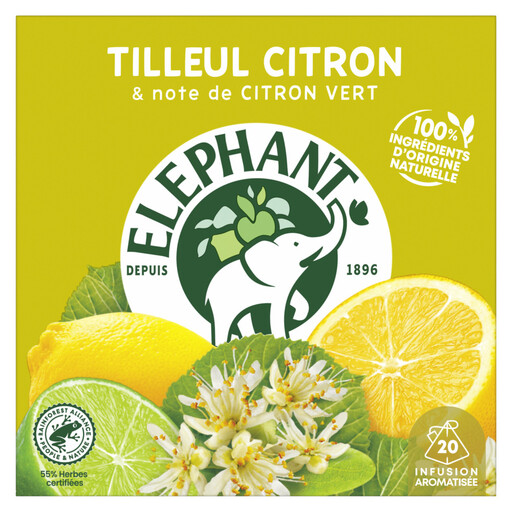 Image unavailable
Consider this if you’re looking for a lime and lemon infusion rather than plain rooibos. Check the packaging to make sure the caffeine claim suits your needs.
Format shown in the product name: 20 tea bags, 28 g.
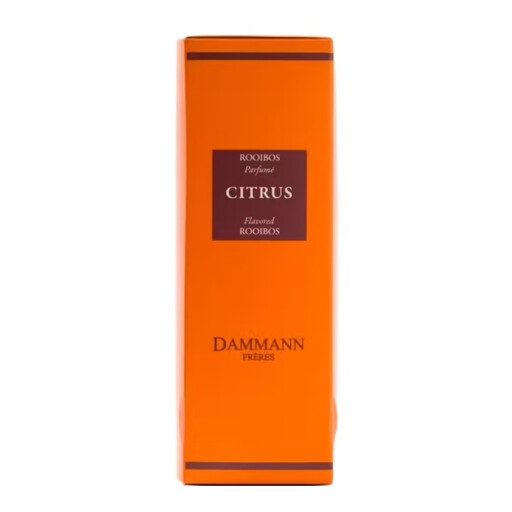 Image unavailable
Worth considering if you prefer citrus-flavoured rooibos to a plain recipe. Check the ingredients list if citrus is a concern, and confirm the caffeine claim on the box.
Format shown in the product name: 24 tea bags, 48 g.
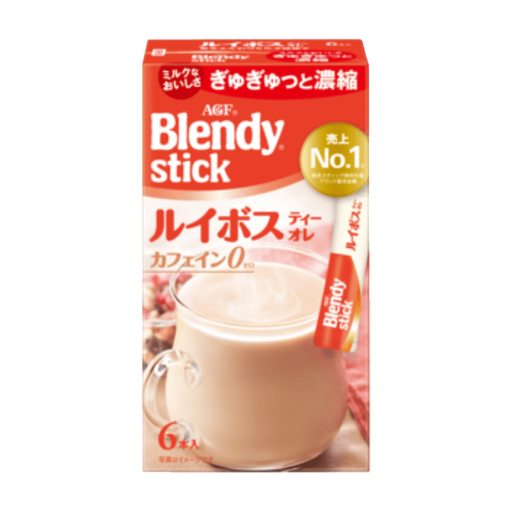 Image unavailable
This is different from plain rooibos in tea bags: it’s a milk-based drink in stick format. Check the ingredients and caffeine claim for the exact product before choosing it for the evening.
Format shown in the product name: 6 sticks.
No. The word ‘infusion’ alone isn’t enough to help you choose a caffeine-free evening drink. Look for an explicit claim on the specific product and check its ingredients. Carrefour and Auchan product pages describe their Kroon, Jardin BiO étic, Éthiquable and Alter Eco rooibos products according to the claims for each one.
Follow the instructions on the box you choose. For the specific products mentioned, the Auchan product page recommends infusing Jardin BiO étic for 5 minutes at 95 °C, and Éthiquable for 5 to 6 minutes at 95 °C.
Check the full ingredients list and any highlighted allergens on the packaging for the exact product. The DGCCRF recommends this labelling practice for prepacked foods. Don’t infer the ingredients from a flavour or range name.
No. These claims don’t tell you whether you’ll prefer plain rooibos or a flavoured blend. To compare products, also check their ingredients, format and preparation instructions.