What should you look for on the shelf?
For an evening herbal tea, check the caffeine content first, then choose a blend and format you’ll enjoy using. Decaffeinated tea should be labelled as such: “tea” and “herbal infusion” don’t mean the same thing.
| Criterion |
What to check |
Who it matters to |
| Caffeine |
Look for “caffeine-free” or “theine-free”; check whether it contains tea, matcha, maté or guarana. |
If I’m swapping my evening tea, I want to be able to identify a drink that meets this need without any doubt. Around 36% of consumers put avoiding caffeine first. |
| First purchase |
Compare the number of tea bags, the ingredients and the brewing instructions before choosing a box. |
When stocking my cupboard for the first time, I’d rather choose and prepare a simple blend than build up a collection of mixes I don’t know. Simplicity is the top priority for around 29% of consumers. |
| Flavour |
Read the ingredients to tell the difference between, for example, a verbena and mint blend and vanilla rooibos. |
Once I’ve chosen the type of drink, I’m mainly looking for a flavour I’ll want to enjoy again in the evening. Taste comes first for around 21% of consumers. |
| Herbs and precautions |
Check all the ingredients, particularly liquorice, along with any warnings on the packaging. |
If I plan to drink the same blend often or need to be careful with certain herbs, the ingredients become a deciding factor. Around 14% of consumers make this their top priority. |
Infusions to consider on Joybuy
These herbal and rooibos products let you compare blends and formats for an evening drink. If you need to avoid caffeine completely, check the relevant statement on each product’s packaging before choosing.
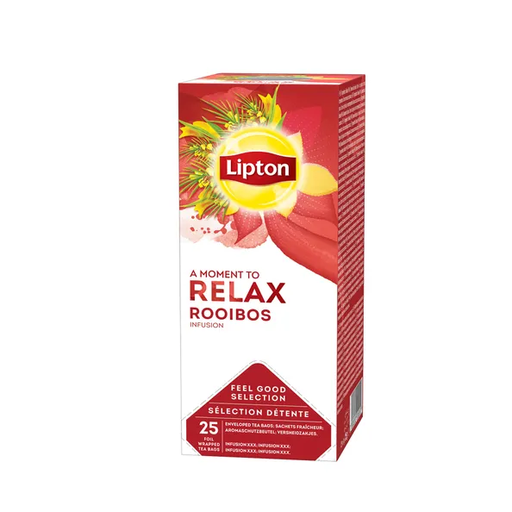 Image unavailable
Lipton Feel Good Selection Rooibos, 25 tea bags
Worth considering if you’d like to try rooibos in tea bags as an evening drink.
The product information states that the box contains 25 tea bags. Check the packaging for information about caffeine and brewing instructions.
View on Joybuy
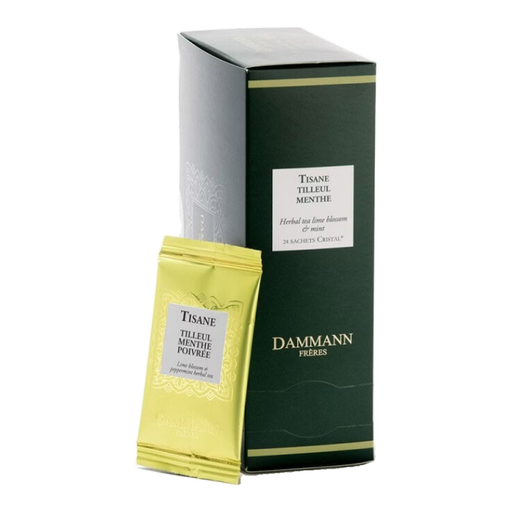 Image unavailable
DAMMANN Tilleul & Spearmint, 24 tea bags, 48 g
This herbal infusion is a good option if you’d like to try a blend of lime blossom and mint.
The stated format is 24 tea bags, weighing 48 g in total. Check the information about caffeine, brewing instructions and whether it comes as a refill if you’re looking for a box that’s ready to store.
View on Joybuy
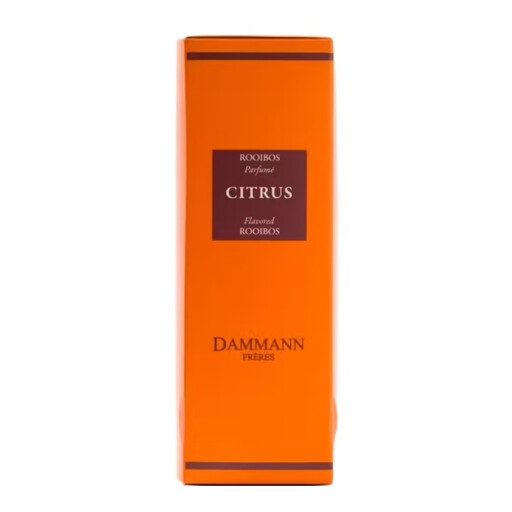 Image unavailable
DAMMANN FRERES Citrus Rooibos, 24 tea bags, 48 g
Worth a look if you’d prefer a citrus rooibos blend to a purely herbal infusion.
The stated format is 24 tea bags, weighing 48 g in total. Read the ingredients and check for citrus-related warnings if you have an allergy, then check the packaging for information about caffeine and preparation instructions.
View on Joybuy
 Image unavailable
Pukka Organic Digestion, 40 g
If you’re looking for an infusion to drink regularly in the evening, it’s worth checking the ingredients in this herbal blend carefully.
The stated format is 40 g, and the ingredients include liquorice. Anses warns of risks associated with high, repeated consumption of liquorice; the name “Digestion” doesn’t prove a medical effect.
View on Joybuy
 Image unavailable
ELEPHANT Organic Verbena Mint, 20 tea bags
This verbena and mint blend is worth considering if you prefer a herbal infusion to rooibos.
The box contains 20 tea bags. If avoiding caffeine is essential, look for an explicit statement on the packaging. Follow the preparation instructions too, as the guidance for this product differs.
View on Joybuy
Frequently asked questions
Are herbal infusions always caffeine-free?
No: the name of the shelf section or blend isn’t enough to confirm this. Look for a “caffeine-free” or “theine-free” label and read the ingredients, particularly if the blend contains tea, matcha, maté or guarana. Anses notes that caffeine occurs naturally in several plants, including tea and guarana.
Can rooibos replace decaffeinated tea?
It may suit you if you’re looking for a different evening drink, but it isn’t the same product and may not taste the same. If you want a clearly stated caffeine-free option, check the label on the rooibos or decaffeinated tea you’re thinking of buying.
How long should you leave an herbal infusion to brew?
Follow the brewing time on the box, as it depends on the blend. Twinings France recommends 5 minutes for its Relax infusion, while the Auchan product listing for vanilla-flavoured rooibos recommends 3 to 5 minutes. These timings don’t apply to every herbal infusion.
Should you avoid all infusions containing liquorice?
If an infusion contains liquorice, it’s particularly important to check the ingredients and consider how often you drink it, rather than assuming the same advice applies to everyone. Anses warns of risks associated with high, repeated consumption. If you’re pregnant or breastfeeding, have certain health conditions or take medication, ask for tailored advice before drinking it regularly.


