For a caffeine-free hot drink in the evening, choose an herbal infusion or rooibos whose label confirms this; if you prefer the taste of tea, look for tea labelled ‘decaffeinated’. In either case, check the ingredients: liquorice calls for particular care if you have high blood pressure, certain health conditions or take medication.
Who are these options for?
People sensitive to caffeine in the evening
If a late-night drink could affect your sleep, distinguish between a caffeine-free herbal infusion and decaffeinated tea. The Anses says caffeine can delay falling asleep and reduce the length and quality of sleep, although its effects vary from person to person.
People taking medication or needing to keep an eye on the herbs they consume
It’s particularly important to check the ingredients, especially if they include liquorice. The Anses highlights the risks associated with high, repeated consumption, as well as possible interactions with medicines.
People organising everyday shopping and drinks
A tea-bag recipe, clear ingredients and a format suited to your usual way of making drinks can make it easier to choose a hot drink to enjoy in the evening.
What should you look for first?
When choosing an evening drink, first decide whether you want a caffeine-free herbal infusion or would prefer to keep the taste of tea. Then check the ingredients and choose a format that suits the person who’ll be drinking it.
Caffeine-free herbal infusion or rooibos
Worth considering: if a caffeine-free hot drink matters more than the taste of tea.
Bear in mind: ‘caffeine-free’ doesn’t tell you which other herbs are in the blend, so check for liquorice in particular.
Decaffeinated tea
Worth considering: if you’d like to keep the taste of tea and choose a product labelled as decaffeinated.
Bear in mind: decaffeinated tea is still tea; a ‘night-time’ label alone doesn’t confirm that it’s decaffeinated.
| What to consider | What to check | Who is it for? |
|---|
| Caffeine in the evening |
Look for ‘caffeine-free’ on an herbal infusion or ‘decaffeinated’ on tea, and check the product description. |
If a late-night drink could affect my sleep, I want to know exactly what I’m making; around 33% of consumers rank avoiding caffeine in the evening as their top concern. |
| Herbs and medication |
Check the full ingredients list, especially for liquorice. If you take medication or have a health condition, ask a healthcare professional for advice before drinking it regularly. |
If I take medication or have high blood pressure, I don’t want to choose a blend based on its name alone; checking the ingredients is the top priority for around 27% of consumers. |
| Taste and drinks routine |
Choose a recipe the person enjoys, and check the preparation instructions on the pack. |
If I want to offer a hot drink the person enjoys on a regular basis, taste and ease of preparation come first; around 27% of consumers prioritise this. |
| Format and everyday shopping |
Check the number of tea bags, net weight and availability from your usual retailer. |
If I need to find the same recipe easily when I do the shopping, the pack size and availability come ahead of other considerations; this is the top priority for around 13% of consumers. |
Mistakes to avoid
-
Assuming a ‘night-time’ drink is caffeine-free
This label alone doesn’t tell you whether it’s an herbal infusion or decaffeinated tea.
Read the product description and ingredients, then look for ‘caffeine-free’ or ‘decaffeinated’, depending on what you’re after.
-
Overlooking liquorice in an herbal blend
According to the Anses, high, repeated consumption of liquorice can lower potassium levels in the blood and cause high blood pressure. It may also interact with medicines.
Check the ingredients for liquorice. If you have high blood pressure, cardiovascular, kidney or liver disease, or take medication, ask a healthcare professional for advice before drinking it regularly.
-
Expecting an infusion to have a nutritional or therapeutic effect
An enjoyable hot drink can be part of your daily fluid intake, but a ‘wellbeing’ label doesn’t prove it has a health benefit, and an infusion is no substitute for a balanced diet.
Choose it for its ingredients and taste, rather than using it in place of medical advice tailored to the person concerned.
Brands and retailers to know
Kusmi Tea
The brand describes Be Cool as an herbal infusion made with verbena, mint and liquorice.
- This product is an herbal infusion, not black or green tea.
- As it contains liquorice, the precautions set out by the Anses apply; the recipe name isn’t proof that it helps you sleep.
Lipton
Carrefour describes Lipton Thé du Soir as decaffeinated tea and also stocks the brand’s herbal infusions.
- Thé du Soir is for people who want to keep drinking tea.
- Lipton Grand Sud Saveurs du Soir herbal infusion contains liquorice, so check the specific recipe rather than assuming all products are the same.
Carrefour
The retailer stocks rooibos infusions and flavoured recipes in its ranges, among other options.
- Product descriptions can help you find an option explicitly labelled ‘caffeine-free’.
- Some recipes contain liquorice, so check the ingredients on each pack.
E.Leclerc
The Marque Repère range includes TISEA herbal infusions, including chamomile and verbena recipes.
- Tea-bag formats let you choose a pack size that suits your usual routine.
- A liquorice and mint recipe is different from other blends, so check the ingredients and what your local shop stocks.
Auchan
The retailer lists Éthiquable organic rooibos in tea bags, labelled as caffeine-free.
- This product is an option if you’re looking for rooibos rather than decaffeinated tea.
- Check the ingredients and information on the pack you choose before buying.
Herbal infusions and rooibos available on Joybuy
These tea-bag options include chamomile and other herbal infusions, as well as rooibos, for making a hot drink in the evening. Always check the label, particularly if you need to review the ingredients because of medication or a health condition.
 Image unavailable
DAMMANN FRÈRES Chamomile, 21 tea bags, 42 g
A chamomile infusion to consider if you’d prefer an herbal drink to the taste of tea in the evening.
The product description says it’s caffeine-free; check that this is stated on the packaging.
View on Joybuy
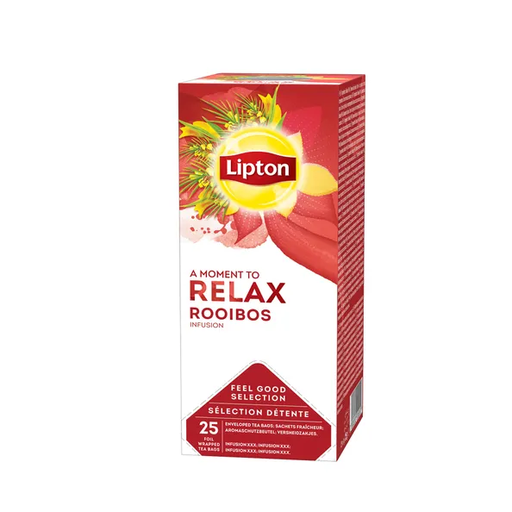 Image unavailable
Lipton Feel Good Selection Rooibos, 25 tea bags
This tea-bag rooibos is an option if you’re looking for an herbal infusion rather than decaffeinated tea.
The product description says it’s caffeine-free; check the label before buying.
View on Joybuy
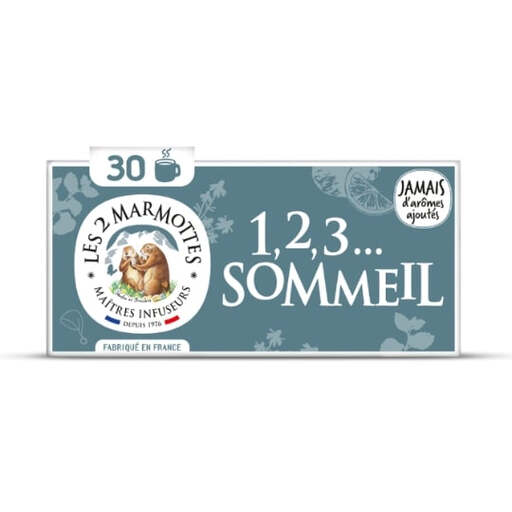 Image unavailable
LES 2 MARMOTTES 123 Sleep Herbal Infusion, 30 tea bags
This tea-bag herbal infusion is worth considering as an evening drink, but don’t assume it will help you sleep based on its name.
The product description says it’s caffeine-free. Check the ingredients on the packaging, especially if you take medication.
View on Joybuy
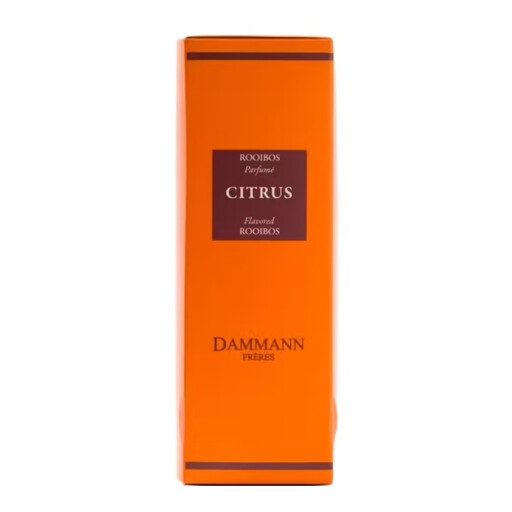 Image unavailable
DAMMANN FRÈRES Citrus Rooibos, 24 tea bags, 48 g
This citrus rooibos offers a different flavour profile from a chamomile infusion.
The product description says it’s caffeine-free; check the label if you need to keep an eye on certain ingredients or flavourings.
View on Joybuy
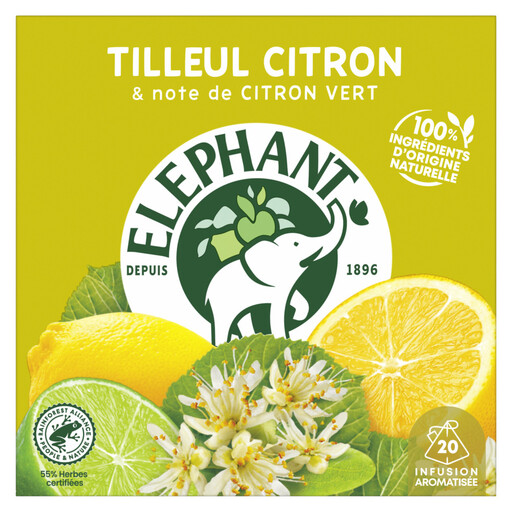 Image unavailable
Elephant Lime Blossom and Lemon Herbal Infusion, 20 tea bags, 28 g
This lime blossom and lemon infusion in tea bags may appeal if you prefer this recipe to tea.
The product description says it’s caffeine-free; check the label and full ingredients list, including the citrus ingredients and flavourings.
View on Joybuy
Frequently asked questions
What’s the difference between a caffeine-free herbal infusion and decaffeinated tea?
An herbal infusion or rooibos labelled ‘caffeine-free’ isn’t the same as decaffeinated tea. Decaffeinated tea is still tea, for people who want to keep its flavour. Check the exact product description and ingredients on the packaging.
Should you avoid liquorice infusions if you take medication?
If you take medication, ask a healthcare professional for advice before drinking liquorice infusions regularly. The Anses highlights possible interactions with medicines and risks, including high blood pressure, in cases of high, repeated liquorice consumption.
How do you make a tea-bag herbal infusion or decaffeinated tea?
Follow the instructions on the pack for the amount of water and brewing time. Instructions for decaffeinated tea won’t necessarily apply to an herbal infusion or rooibos.
Does an evening herbal infusion count towards your daily drinks?
An unsweetened herbal infusion can contribute to your daily fluid intake, as Manger Bouger points out. However, it’s no substitute for a balanced diet or medical advice when the person’s circumstances call for it.


