
Livraison le jour même ou le lendemain

Qualité garantie

Débloquez vos offres de bienvenue: Livraison GRATUITE | Jusqu'à -80 % | 30 jours d'essai gratuits à JoyPlus
Téléchargez l'application
An ill-fitting mobility aid, an incomplete first-aid kit or an overdosed rinse aid can quickly end up at the back of a cupboard. For families, carers, motorists, travellers and sports enthusiasts, the key is to check the products’ practical specifications rather than relying on promises printed on the packaging.
This selection from the Joybuy Product Recommendation Officer is based on verifiable information: dimensions, capacity, contents, format, precautions and conditions of use.
For a mobility aid designed for older adults, the stated maximum load is only part of the picture. You should also consider the device’s weight, width, handle height and storage configuration. An overly bulky model can be difficult to manoeuvre in a hallway or lift. Similarly, a seat that is too low or poorly adjusted handles may affect everyday comfort.
The description “complete kit” does not guarantee that every useful item is included. For a DIN 13164 car first-aid kit, check in particular for plasters, sterile dressings, gloves, an emergency blanket, bandages and scissors. Also remember to check expiry dates regularly and replace any items that have been used.
Dishwasher rinse aid does not replace detergent. It should be poured into the designated compartment, with the dosage adjusted to the hardness of the water and the manufacturer’s recommendations. Using too much will not necessarily eliminate marks and will mainly lead to unnecessary waste.
When choosing a folding rollator with a seat, review the following points:
For example, a carbon-steel model with a net weight of 9.35 kg, a capacity of 150 kg and a basket supporting 10 kg will suit a different need from a more compact 8.5 kg model with a stated capacity of 158 kg.
First-aid plasters should be selected according to their intended use. For fingers, choose a shape that follows the joints and stays securely in place during movement. A cut-to-size strip measuring 8 cm × 1 m may suit several sizes of superficial wound, while a pack of finger plasters is more convenient for minor everyday injuries.
For an elastic support bandage, check its width, length, washability and fastening system. It should never be tightened enough to restrict circulation. If numbness, tingling or a change in colour occurs, remove it immediately. These products are not a substitute for medical advice in the event of a fracture, serious sprain or deep wound.
Corn plasters require particular care: some contain salicylic acid. The Hansaplast product featured here states a concentration of 35% and advises against use by people with diabetes or circulatory problems. Before use, refer to the instructions and information on the packaging.
Compare the volume, listed ingredients and safety warnings. The Finish and Sun products featured are intended for the rinse-aid compartment and can be used with different programmes, in accordance with the instructions on their labels.
Claims such as “streak-free results and sparkling dishes” describe the intended outcome, but the result also depends on water hardness, the selected programme, the detergent and dishwasher maintenance. These products may be irritating or corrosive: wear gloves if necessary, avoid contact with the eyes and keep the bottle out of the reach of children.
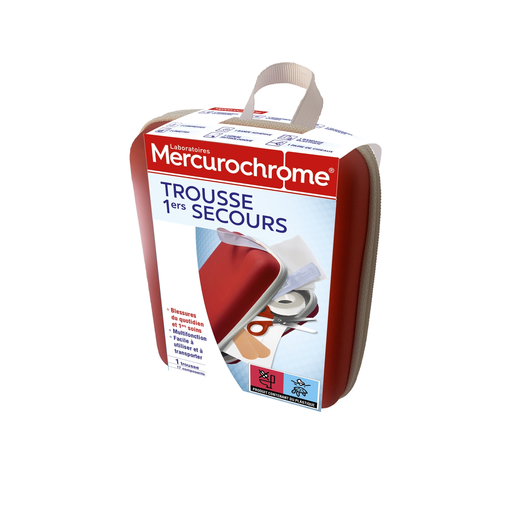
Why this choice suits this profile: its portable format is equally well suited to the home, days out and occasional travel.
The contents are presented as suitable for common injuries. Nevertheless, check every item and replace anything used or expired.
A lightweight case, versatile contents and easy storage in a cupboard or bag.
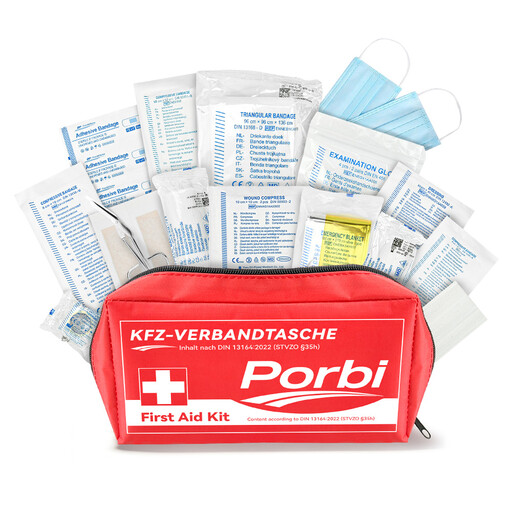
Why this choice suits this profile: its well-organised contents are ideal for drivers who want to keep a first-aid kit in their vehicle.
The product listing states DIN 13164 compliance and details the included items. Nevertheless, check the labelling on arrival and inspect the condition of the consumables.
Gloves, compresses, elastic bandages, an emergency blanket, a burn dressing and a manual are included.
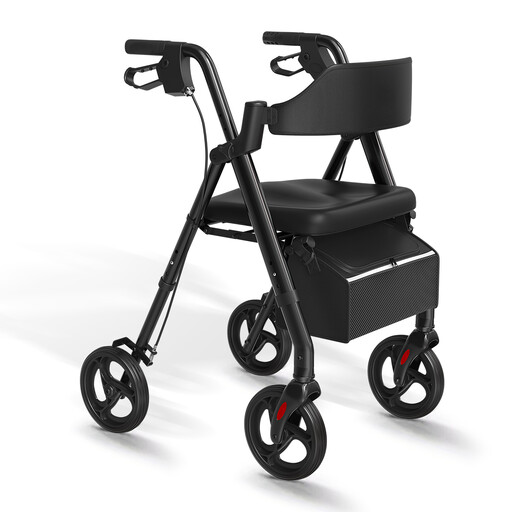
Why this choice suits this profile: it supports mobility while providing a seat for outings that include regular rest stops.
The folded and unfolded dimensions are provided. However, the model does not remain upright when folded, so make sure you have suitable storage space.
A carbon-steel frame, handles adjustable to five positions, a stated load capacity of 150 kg and a 10 kg basket.
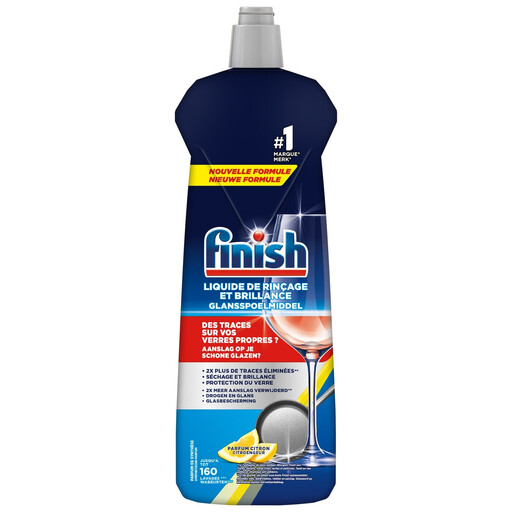
Why this choice suits this profile: its format is well suited to households that want to keep the rinse-aid compartment topped up while adjusting the dosage.
The product listing warns of irritation and corrosion risks: use the product in accordance with the label, avoid contact with the eyes and do not ingest it.
An 800 ml volume, a lemon fragrance and an adjustable dosage based on water hardness and the dishwasher’s recommendations.
We have brought together an up-to-date selection of products chosen for their practical features and accompanied by the available safety information.
It depends on the expiry dates printed on each item. Inspect the kit several times a year, particularly before a long journey. Replace plasters, compresses and any products whose packaging is damaged or damp, as well as all expired items.
Adjust the handles gradually so that the user maintains a natural posture and a secure grip. Before each use, check that the folding mechanism is locked, inspect the wheels and confirm that the seat is stable. The manufacturer’s instructions should always be treated as the primary reference.
No, it is not essential in every case. However, it can improve drying performance and reduce marks, depending on the water quality and selected programme. The cost depends on the dosage, the frequency of cycles and the compartment setting. To estimate consumption accurately, compare the bottle volume with the recommended dose.