Students with a machine already in their accommodation
If you’re borrowing a machine, sharing one or moving into accommodation where one is already provided, check its system before choosing between beans, ground coffee, capsules and pods.


When buying espresso for the first time after moving in, start by identifying the machine in your accommodation. Beans need a grinder, while capsules and pods must match the machine’s exact system. Next, choose a blend based on its composition and roast, rather than assuming the stated intensity guarantees a particular taste. If you’re unfamiliar with the product, a smaller pack means less risk of being left with coffee you don’t enjoy.
If you’re borrowing a machine, sharing one or moving into accommodation where one is already provided, check its system before choosing between beans, ground coffee, capsules and pods.
If you have access to a grinder, you can check the blend, roast and grind setting before committing to a large pack.
If you don’t know what you like yet, the pack size and how quickly everyone in your accommodation gets through coffee matter just as much as the blend’s profile.
Check the machine and its system before comparing blends. Once you know which format you need, look at the composition and roast, then choose an amount that suits how much you drink.
| What to consider | What to check | Who it matters to |
|---|---|---|
| Machine compatibility | Note down the machine’s model and the format it accepts. For capsules or pods, check the exact system. | If there’s already a machine in my accommodation, I want to avoid bringing home coffee I can’t make. Around 33% of consumers would put compatibility first. |
| How much to buy | Compare the net weight of the packs, and start with a smaller one if you don’t know the blend. | When I move in, I’d rather try a coffee before buying a large amount. For around 27% of consumers, keeping initial stock low would be the main priority. |
| Blend profile | Check the composition, roast and tasting notes separately for the product you’re considering. | For my everyday coffee, I’m mainly looking for a profile that suits my taste, rather than just going by an intensity number. Around 27% of consumers would make this their top priority. |
| Caffeine and timing | If you’re looking for a decaffeinated option, check that it’s available in a format compatible with your machine. | When I sometimes have an espresso late in the day, I consider how caffeine might affect my sleep. Around 13% of consumers would prioritise this. |
Beans, ground coffee, Iperespresso capsules, Nespresso Original-compatible capsules and E.S.E. pods are not interchangeable. The word “espresso” alone doesn’t tell you whether the coffee is compatible.
Note down the machine’s model, then check its manual for accepted formats before choosing your coffee.
The blend, roast, tasting notes and stated intensity each describe different aspects of a product. The intensity number alone won’t tell you how much caffeine it contains.
Compare these details separately. If caffeine is a concern, look for a decaffeinated option in a format that suits your machine.
A 1 kg pack can mean a lot of coffee if you’re still discovering what you like or don’t drink much espresso.
If there are different pack sizes, try a smaller one first, then adjust the amount to suit how much you actually drink.
The French Agency for Food, Environmental and Occupational Health & Safety (Anses) says caffeine can delay falling asleep and reduce sleep duration and quality. People’s sensitivity to it varies.
If you find that having coffee late affects your sleep, consider when you drink it and look for a decaffeinated option compatible with your machine.
These brands offer espresso in different formats and with different profiles. Check individual products against your equipment: products across a range won’t necessarily share the same blend or brewing system.
Lavazza offers espresso beans, ground coffee, capsules and pods.
illy’s 100% Arabica blend is available as beans, ground coffee and in several portioned formats.
Carte Noire offers coffee beans, ground coffee, Nespresso Original-compatible capsules and soft pods.
Carrefour stocks beans from its Classic’, Extra, Sensation and Bio ranges, including some intended for espresso.
The Plantation and Bio Village ranges include beans and ground coffee, with products such as pure Arabica and decaffeinated options.
Auchan offers espresso beans, including 100% Arabica products in 500 g or 1 kg packs.
These products include ground coffee, beans, capsules and pods. First choose the format your machine accepts, then compare the blend and pack size to find an option that suits you.
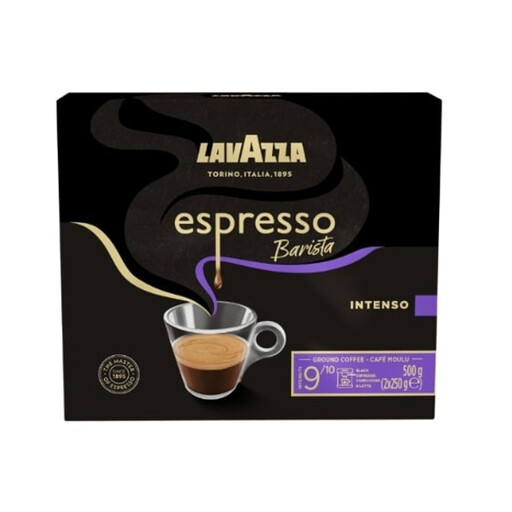 Image unavailable
Worth considering if the machine in your accommodation takes ground coffee for espresso. The pack contains two 250 g bags; check that the grind is suitable for your machine.
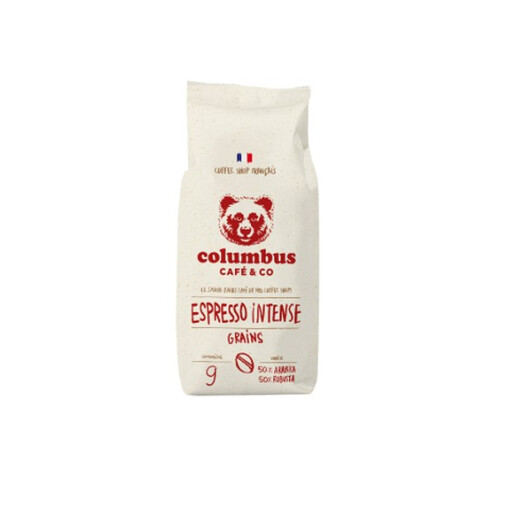 Image unavailable
For accommodation with a bean-to-cup machine or a separate grinder. This pack contains 500 g of beans; if you don’t have grinding equipment, choose a different format.
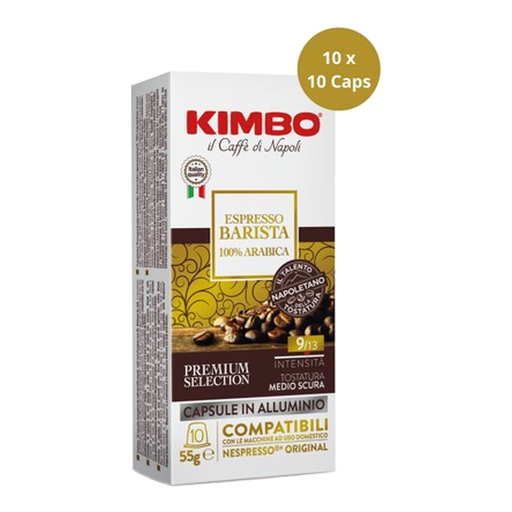 Image unavailable
Only consider these if your machine takes Nespresso Original capsules. The product is listed as 100% Arabica, with an intensity of 9/13 and 10 capsules weighing 55 g in total; the intensity rating doesn’t guarantee a particular taste.
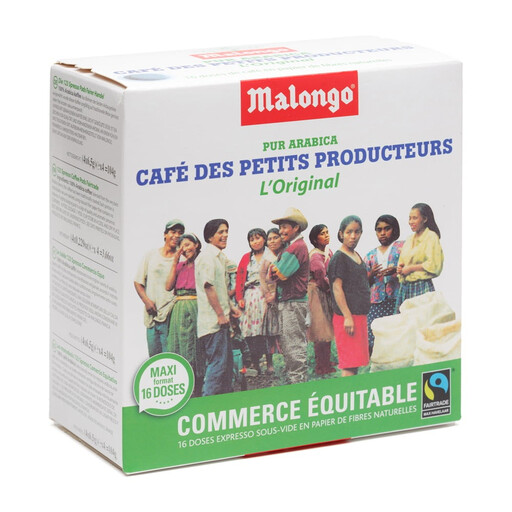 Image unavailable
A portioned option to consider if the machine in your accommodation takes MALONGO pods. The pack contains 16 pods; check they’re compatible with your machine model.
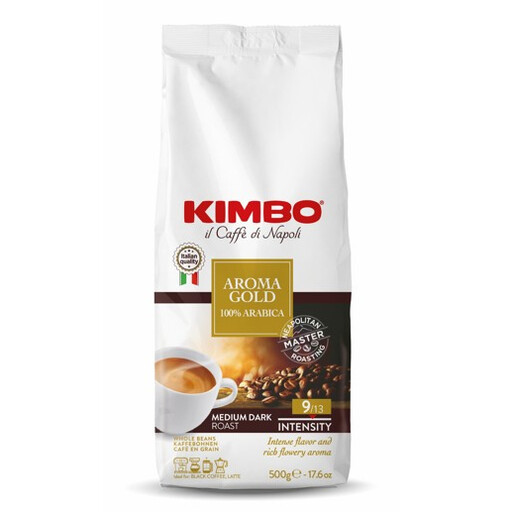 Image unavailable
Worth considering if you have a grinder and are looking for coffee with no Robusta in the blend. The pack contains 500 g; the product is listed as a medium-dark roast with an intensity of 9/13, but these details alone won’t predict the final taste.
Buy the format accepted by the machine you actually have. Beans need a grinder; ground coffee requires a suitable way to prepare it; and capsules and pods must match the machine’s exact system.
No. “100% Arabica” tells you about the composition, but doesn’t by itself indicate the intensity or taste in the cup. Check the roast and tasting notes for the specific product too; intensity ratings aren’t a shared scale across all brands.
First check that your machine takes ground coffee, then follow its instructions for the amount to use and how to prepare it. Lavazza suggests a fine grind and an extraction time of 20 to 30 seconds as a starting point for espresso. Adjust the preparation to suit your machine and the result in the cup.
Consider how caffeine might affect your sleep rather than relying on espresso as a regular fix for late-night revision. The French Agency for Food, Environmental and Occupational Health & Safety (Anses) says caffeine can delay falling asleep and reduce sleep duration and quality, although people react differently. You could also look for a decaffeinated option to suit your machine.