What should you look for in an afternoon coffee?
Choose a flavour profile or decaffeinated option to suit each guest’s priorities, then check which format your machine needs. A coffee you enjoy won’t be much use if its capsules, beans or grind aren’t compatible with your equipment.
| What to consider | What to check | Who is it for? |
|---|
| Balance in the cup |
The blend and flavour profile described on the pack; intensity alone doesn’t tell you what it will taste like. |
To enjoy with afternoon tea, I prefer a cup described as balanced rather than a very strong espresso. Around 33% of consumers would prioritise this profile. |
| Reducing caffeine |
The “decaffeinated” label on the exact product, and any other sources of caffeine consumed throughout the day. |
If I’m concerned about having coffee in the afternoon, I want to enjoy the occasion without choosing based solely on the intensity shown on the pack. Around 25% of consumers would put reducing caffeine first. |
| A full-bodied flavour |
The blend and roast description, as well as whether it’s intended for espresso. |
I’m looking for a bolder-tasting cup, even if other guests would prefer a balanced profile. Around 25% of consumers would make this their priority. |
| Preparation |
The capsule system or, for whole beans and ground coffee, the equipment and grind required. |
I want to serve coffee using the machine I already have, without adding extra steps. Around 17% of consumers would put compatibility and simplicity first. |
Coffees to consider on Joybuy
This selection includes decaffeinated espresso capsules for different systems, as well as whole beans described as intense. For capsules, first check which machine you have; for whole beans, make sure you have equipment that can grind them.
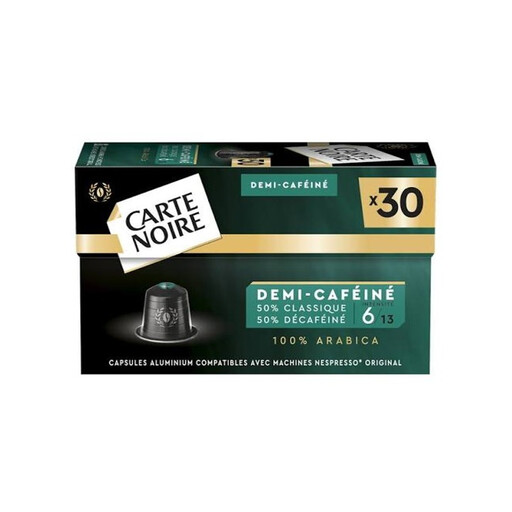 Image unavailable
CARTE NOIRE Nespresso Demi Compatible, 30 decaffeinated capsules
Worth considering if you’re looking for decaffeinated espresso capsules to enjoy with afternoon tea.
The pack contains 30 capsules; check that the stated compatibility matches your machine exactly.
View on Joybuy
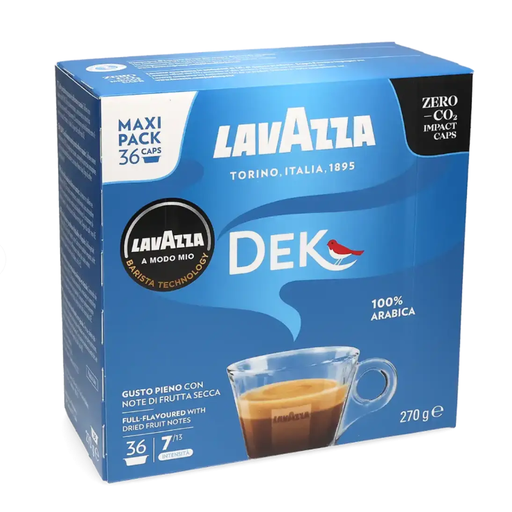 Image unavailable
Lavazza A Modo Mio Decaf Compatible, 36 capsules
If you’d like to serve decaffeinated coffee in capsules, check that your afternoon tea machine uses the A Modo Mio system.
This pack contains 36 capsules. If your caffeine intake needs to be managed, the “decaffeinated” label isn’t a substitute for individual advice.
View on Joybuy
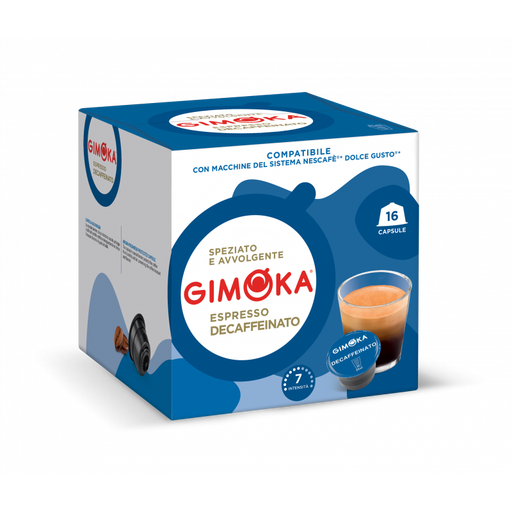 Image unavailable
GIMOKA Espresso Decaffeinated, 16 Dolce Gusto capsules, 112 g — 100013170165191
A decaffeinated option to consider for making espresso with a Dolce Gusto-compatible machine.
The pack contains 16 capsules, weighing 112 g; check your machine’s system before buying.
View on Joybuy
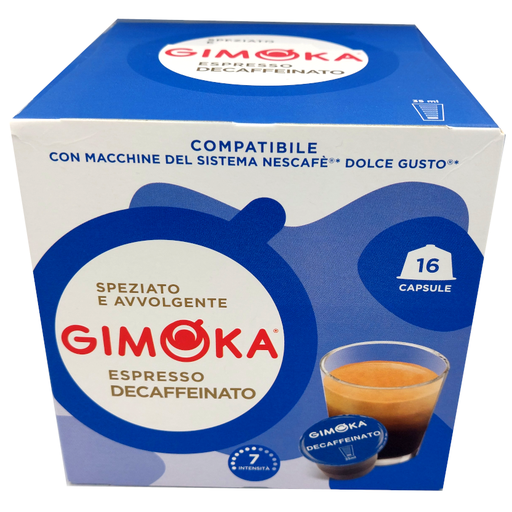 Image unavailable
GIMOKA Espresso Decaffeinated, 16 Dolce Gusto capsules, 112 g — 100013180208174
This other GIMOKA option is designed for decaffeinated espresso made with a Dolce Gusto-compatible machine.
It contains 16 capsules, weighing 112 g. Check the product code when choosing between the two GIMOKA packs featured here.
View on Joybuy
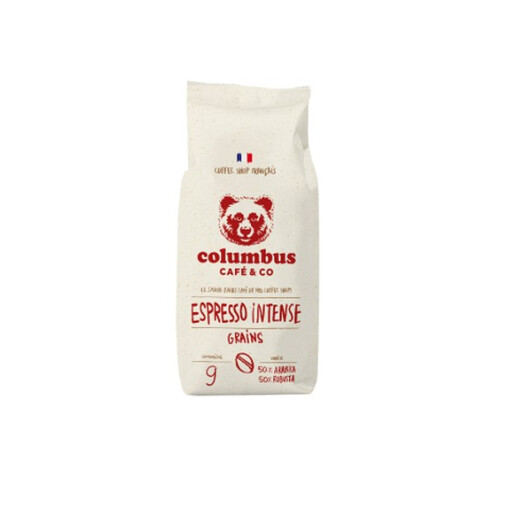 Image unavailable
COLUMBUS Intense Espresso, whole-bean coffee, 500 g
Worth considering if you’re looking for an espresso described as intense to enjoy with afternoon tea and have a coffee grinder or a machine with a built-in grinder.
The pack contains 500 g of whole-bean coffee. Don’t assume its caffeine content from the word “Intense” alone.
View on Joybuy
Frequently asked questions
Is espresso automatically suitable for all older adults?
No. Age alone doesn’t determine how sensitive someone is to caffeine. The Anses says its effects vary from person to person, while the European Food Safety Authority’s general assessment doesn’t cover people with medical conditions or those taking medication. If either applies to you, ask a doctor or pharmacist for advice.
Does an intensity rating of 10 mean there’s more caffeine than in a coffee rated 5?
No. These numbers alone can’t be used to compare the caffeine content of two coffees. Carrefour describes Lavazza Espresso Italiano Classico, with an intensity rating of 5, as balanced, and Carte Noire Espresso 100% Arabica, rated 10, as intense. If caffeine is guiding your choice, look for a product clearly labelled as decaffeinated instead.
Do you need whole beans or ground coffee to make espresso?
Choose according to your machine: whole beans need a built-in grinder or a separate coffee grinder, while a machine that takes ground coffee needs a grind suitable for espresso. Check the recommended use on the pack, as illy, for example, distinguishes its ground espresso coffees from those intended for a moka pot.
What should you check on the pack before choosing coffee for afternoon tea?
First, check the details that matter to your choice, including whether the coffee is “decaffeinated”, its format and whether it’s compatible with your machine. For pre-packed food sold in France, the DGCCRF notes that labelling information must be visible, legible and written at least in French.


