People who make several espressos at home
A bean-to-cup machine lets you start brewing at the touch of a button, once the reservoirs are filled. You’ll still need to empty the coffee grounds and follow the machine’s recommended maintenance routine.


If you make espresso regularly and want to keep the steps to a minimum, a bean-to-cup machine is one option, provided you’re happy with the maintenance, noise and space it requires. Capsule machines make preparation simple and take up less room; soft pods also save you having to measure out the coffee, while a portafilter is a good choice if you’d like to be more involved in making it. Que Choisir reports that bean-to-cup espresso machines are noisier and bulkier than capsule systems, so check both points for the model you’re considering.
A bean-to-cup machine lets you start brewing at the touch of a button, once the reservoirs are filled. You’ll still need to empty the coffee grounds and follow the machine’s recommended maintenance routine.
If your worktop is small or you make coffee early in the morning, compare models before choosing a grinder. Que Choisir reports that this category is noisier and bulkier than capsule systems.
Start with the steps you want to take each morning, then see how each option fits your space and the maintenance routine you can keep up with.
| What to consider | What to check | Your needs |
|---|---|---|
| Preparation steps | Compare how you start each drink and what needs refilling. A bean-to-cup machine grinds the beans before brewing; capsules and pods use pre-measured coffee. Check what’s involved with the portafilter you’re considering. | I make several espressos in a row and prefer a simple button press, or I’d like to measure and make each coffee myself. |
| Maintenance | Check the manual for instructions on emptying the grounds or capsules, rinsing and cleaning any parts used for milk. Que Choisir notes that poor maintenance can contribute to early faults. | Quick preparation matters to me, but the tasks after making coffee also need to fit my routine. |
| Space and noise | Measure the space available and the room needed to access the reservoirs and trays. Check the dimensions and noise information for the specific model: according to Que Choisir, bean-to-cup espresso machines are bulkier and noisier than capsule systems. | In a small kitchen or early in the morning, the available space and noise during brewing could influence my choice. |
| Compatibility and waste | For capsules or pods, check which formats the machine accepts and your local collection guidelines. ADEME says that capsules put in household rubbish are incinerated or sent to landfill; find out what recycling options are available where you live. | I want to be able to buy the right coffee format and deal with the waste from making coffee regularly. |
Making coffee may be automatic, but the reservoirs, grounds tray and internal components still need to be maintained. Que Choisir links poor maintenance, in particular, to early faults.
Before choosing a model, check its manual to see what needs doing, including any maintenance required for the milk system if it has one.
A machine may fit on your worktop but leave too little room to fill its reservoirs or remove its trays. Que Choisir also reports that bean-to-cup espresso machines are generally noisier and bulkier than capsule systems.
Measure the usable space around the machine and check the dimensions and noise information for the exact model.
According to ADEME, capsules put in household rubbish are incinerated or sent to landfill.
Check your local council’s guidelines and find out which collection options are suitable for the capsules you plan to use.
These Joybuy models include automatic machines for making espresso from beans, as well as a capsule machine if you prefer pre-measured coffee. Compare their maintenance, size and controls to find the right fit for your routine.
 Image unavailable
If you make espresso regularly with a bean-to-cup machine, check how much space you’ll need to fill it and clean the LatteGo components. Refer to the EP2230/10 variant’s manual to plan its maintenance.
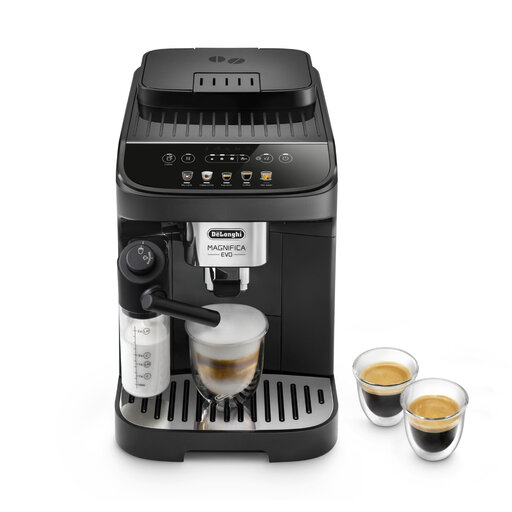 Image unavailable
This bean-to-cup automatic machine is designed for making espresso from beans. If you also use the LatteCrema system, check the manual for any extra cleaning steps in addition to the machine’s regular maintenance.
 Image unavailable
The product details for this variant include a grinder, touch controls and a system for milk-based drinks. If you plan to use it regularly, check the manual for the steps involved and the cleaning required.
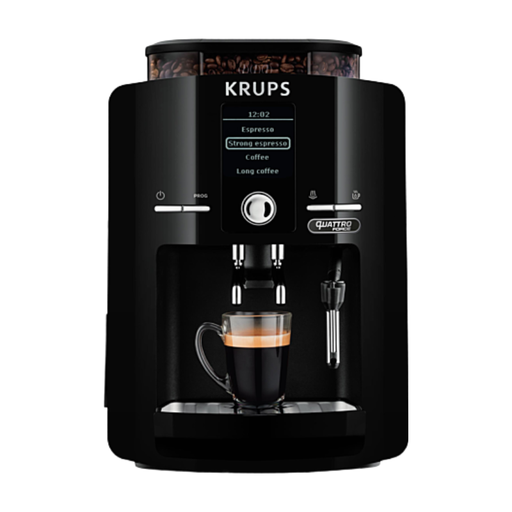 Image unavailable
This automatic machine is designed for making coffee regularly at home; the product details state that it has a 1.7 L capacity. Check how much space you’ll need around the machine and what maintenance is required for the EA82F0 variant.
 Image unavailable
This capsule machine means you don’t have to grind or measure beans for each espresso. Before choosing it for regular use, check which capsule format it accepts and allow room to remove the 0.6 L reservoir.
No. It cuts down on the steps involved, but needs space and regular maintenance. Que Choisir also reports that bean-to-cup espresso machines are noisier than capsule systems. For everyday use, check the dimensions, the noise level of the model you’re considering and the tasks listed in its manual.
For coffee grounds, check which local food waste recycling options are available. According to ADEME, capsules put in household rubbish are incinerated or sent to landfill. Check your local council’s guidelines and the collection options available for your capsules.